RenewMD is the only medical spa with skin treatments for your skin tone a nationally renowned specialty in skin renewal & skin radiance a national top provider in Botox® and Juvederm injectables

Microneedling with Exosomes (2026): Advances in Regenerative Aesthetics. The Future of Skin Rejuvenation, Hair Restoration, and Longevity Medicine

Modern aesthetic medicine is entering an extraordinary era where dermatology, regenerative medicine, and longevity science are converging. Among the most exciting innovations is the combination of microneedling with exosomes, stem-cell–derived signaling molecules, and peptide therapies. These treatments are transforming how physicians approach skin rejuvenation, acne scarring, hair restoration, skin tightening, and even overall skin health.

According to the World Society of Interdisciplinary Anti-Aging Medicine, longevity-focused therapies are increasingly centered on cellular repair, regeneration, and biological optimization.

Instead of simply treating the surface of the skin, regenerative aesthetics focuses on activating the skin’s natural ability to repair and regenerate itself. When microneedling is combined with exosomes and other regenerative technologies, it can stimulate collagen production, accelerate healing, and improve skin quality in ways that were unimaginable just a decade ago. This combination can improve acne scars, wrinkles, pigmentation, hair loss, and overall skin regeneration by enhancing cellular repair and collagen production.

Today, patients are seeking treatments that deliver not only cosmetic improvements but also long-term skin health, confidence, and vitality. The rapid growth of regenerative aesthetics reflects this shift toward therapies that support cellular regeneration, longevity, and overall wellness.

Understanding Microneedling and the Rise of Regenerative Aesthetics

Microneedling with Exosomes (2026): Advances in Regenerative Aesthetics. The Future of Skin Rejuvenation, Hair Restoration, and Longevity Medicine

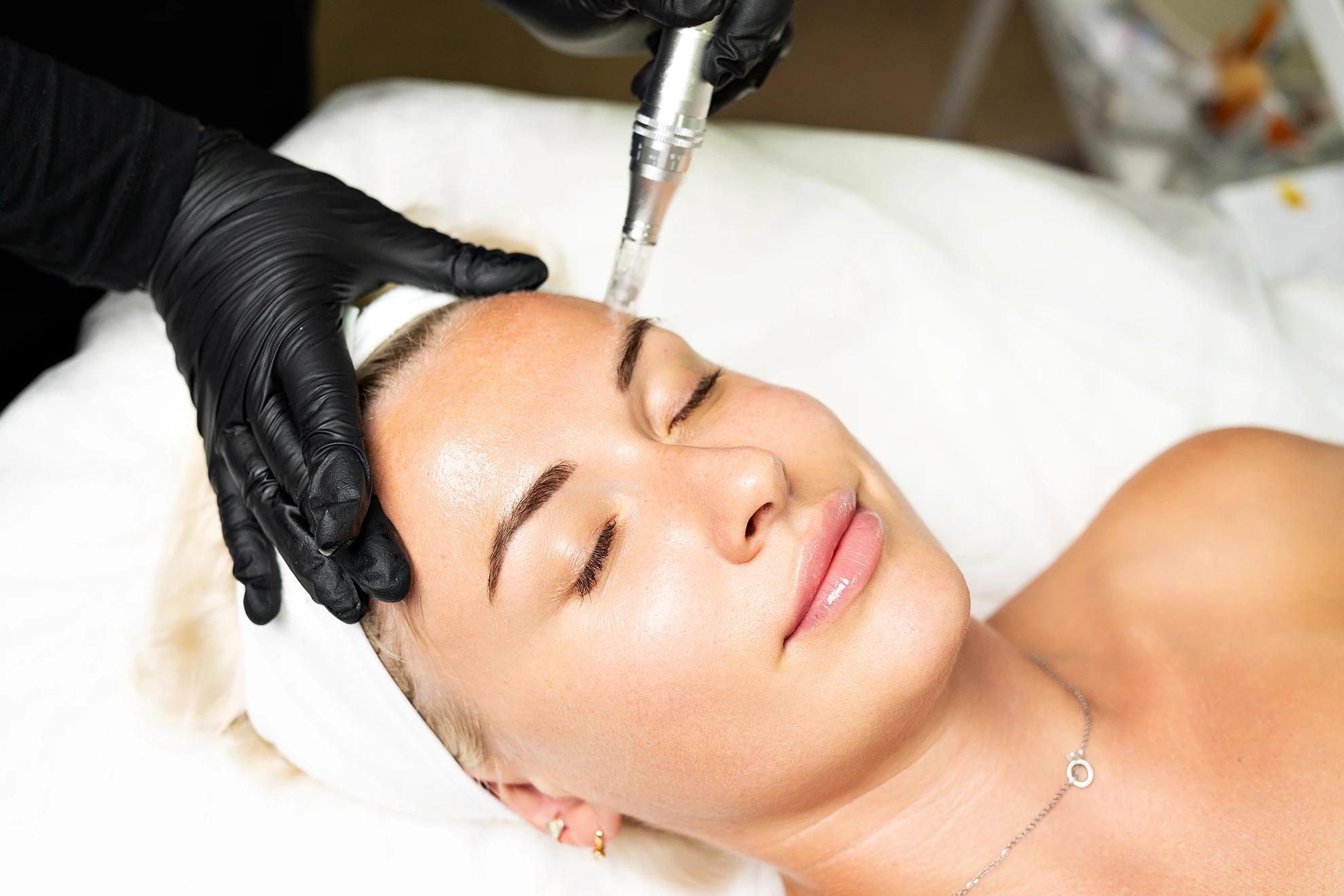
Microneedling, sometimes called collagen induction therapy, is a dermatologic treatment that uses very fine needles to create microscopic channels in the skin. These tiny micro-injuries stimulate the body’s natural healing response, encouraging the production of new collagen and elastin, the two structural proteins that keep skin firm and youthful.

Collagen production naturally declines as we age—approximately 1% per year after the age of 20—which contributes to wrinkles, skin laxity, and slower healing. Microneedling essentially “tricks” the skin into thinking it has been injured, activating repair pathways that rebuild stronger, healthier tissue.

Research supported by the Gerontological Society of America emphasizes the role of collagen loss and cellular aging in skin structure decline.

While traditional microneedling has been used for years to treat conditions such as acne scars, enlarged pores, and fine lines, recent advances have dramatically expanded its potential. Physicians now combine microneedling with regenerative biologics such as exosomes, stem-cell–derived growth factors, and peptides.

Exosomes are microscopic vesicles released by stem cells that contain powerful biological signals, including proteins, lipids, and RNA molecules. These signals help regulate cellular communication and tissue repair. When applied during microneedling, exosomes can penetrate deeper into the skin through the microchannels created by the needles.

This combination enhances several important processes:

• collagen synthesis
• tissue regeneration
• inflammation reduction
• faster healing

As a result, patients often experience improvements in skin texture, tone, elasticity, and overall skin quality.

Microneedling combined with regenerative therapies has become a cornerstone of modern regenerative aesthetics, a rapidly growing field focused on restoring youthful skin through biological regeneration rather than simply masking signs of aging.

Combination Treatments Using Microneedling, Exosomes, and Regenerative Therapies

Microneedling with Exosomes (2026): Advances in Regenerative Aesthetics. The Future of Skin Rejuvenation, Hair Restoration, and Longevity Medicine

The most exciting advances in microneedling involve combination therapies that address multiple aspects of skin health simultaneously. Dermatologists now integrate microneedling with other technologies to enhance results.

Clinical recommendations from the European Society for Cosmetic and Aesthetic Dermatology support combination approaches to improve skin rejuvenation, collagen stimulation, and long-term results.

Microneedling with Exosomes

This combination is widely used for:

• acne scars
• fine lines and wrinkles
• skin rejuvenation
• uneven skin tone
• pigmentation disorders

Exosomes help accelerate healing and stimulate cellular repair pathways, often leading to smoother skin and improved texture.

Microneedling with Platelet-Rich Plasma (PRP)

PRP contains growth factors derived from the patient’s own blood. When combined with microneedling, it can enhance tissue repair and collagen production.

Scientific findings published by the International Society on Thrombosis and Haemostasis support the regenerative potential of platelet-derived growth factors in tissue repair.

Microneedling with Peptide Therapy

Peptides act as biological messengers that signal skin cells to produce more collagen and elastin.

These treatments are especially useful for:

• aging skin
• skin barrier repair
• skin tightening

Microneedling with Chemical Peels

Chemical peels remove damaged surface layers of skin while microneedling stimulates deeper regeneration.

This combination is often used for:

• acne scars
• hyperpigmentation
• uneven skin tone

Microneedling with Energy-Based Devices

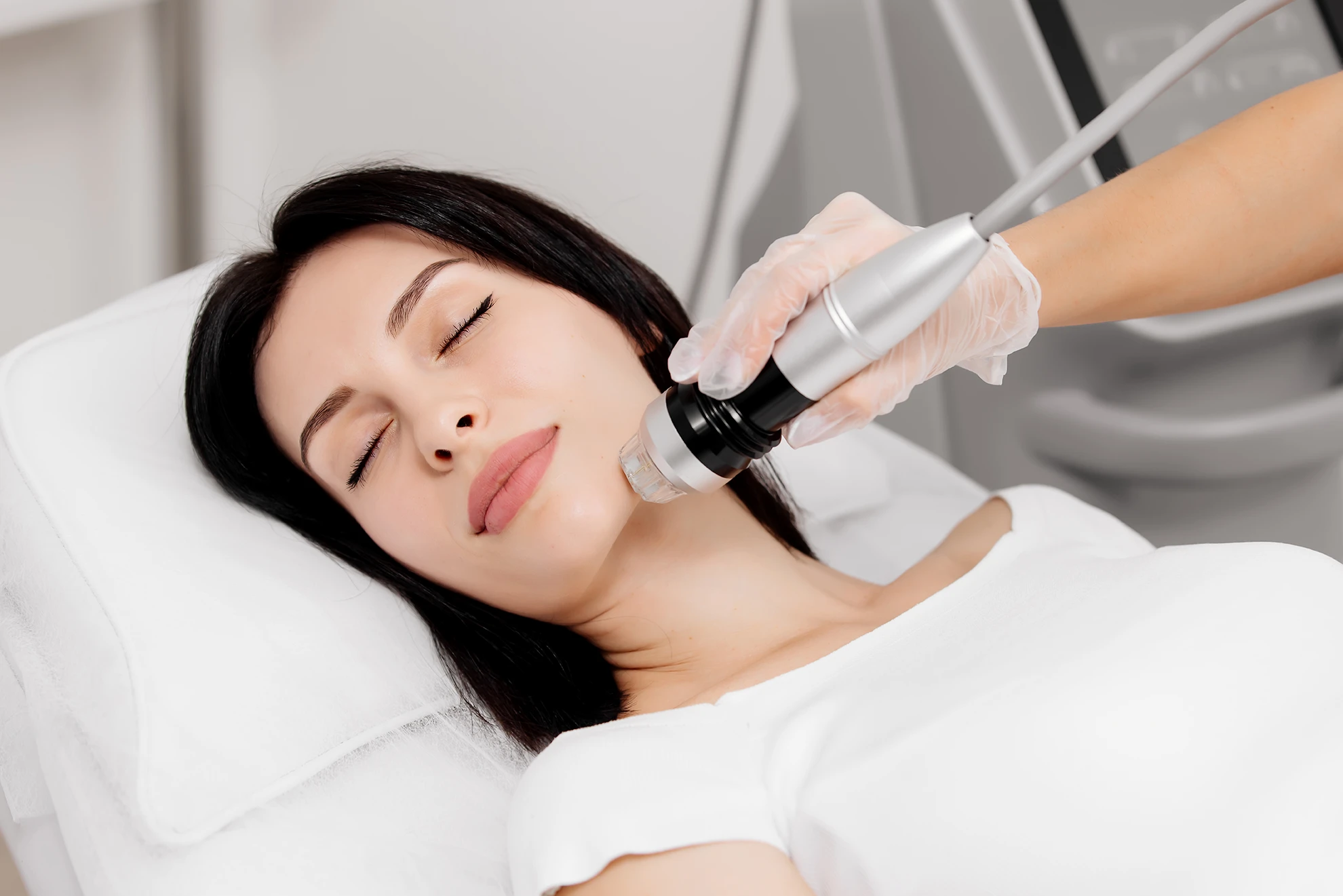
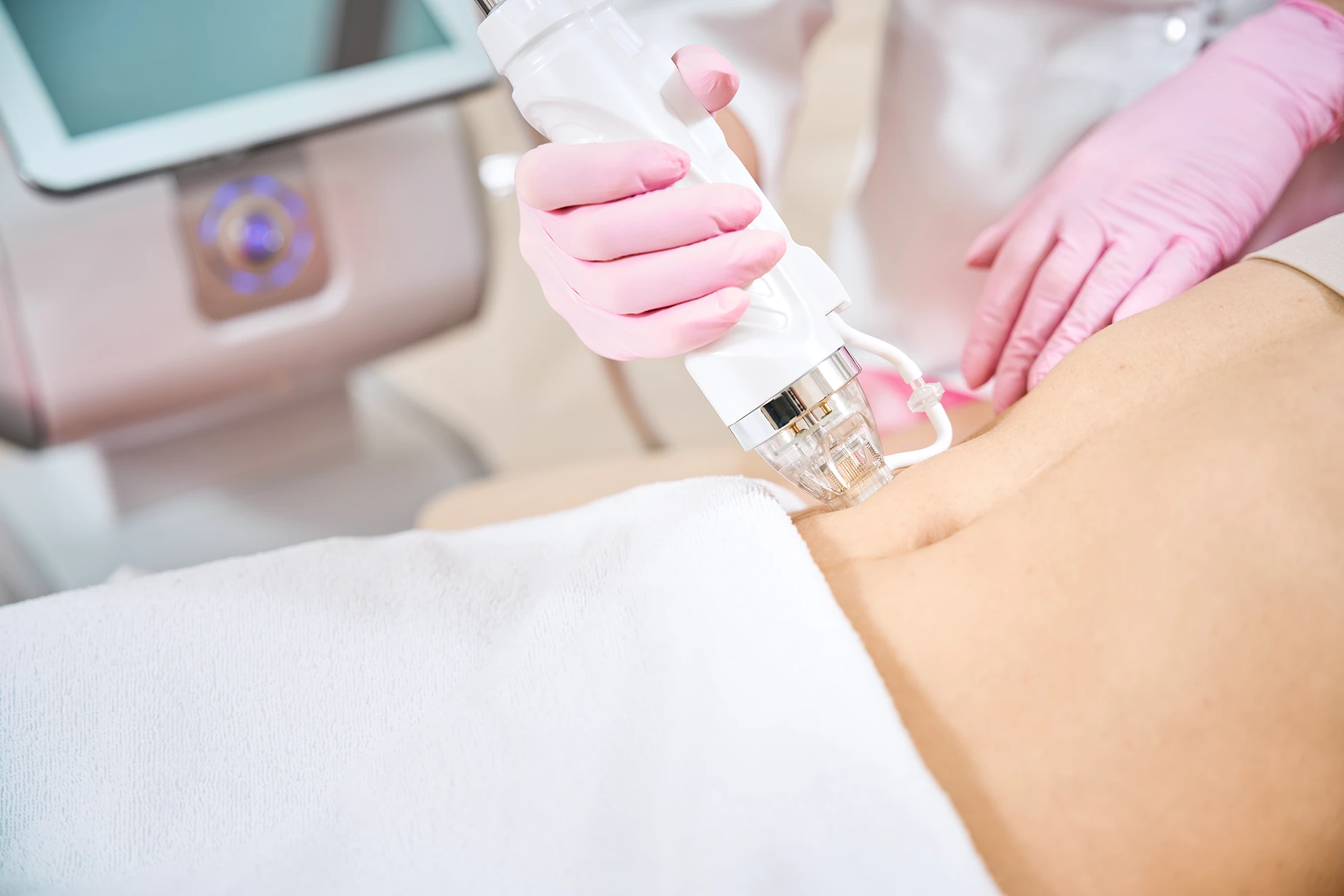
New technologies such as radiofrequency microneedling and advanced energy-based systems like XERF can deliver heat energy into deeper skin layers while stimulating collagen production.

These treatments can improve:

• skin laxity
• wrinkles
• acne scars
• enlarged pores

The synergy of these combination therapies allows dermatologists to target both surface and structural skin issues simultaneously, producing more comprehensive results.

Applications for Hair Loss and Skin Conditions

Microneedling with Exosomes (2026): Advances in Regenerative Aesthetics. The Future of Skin Rejuvenation, Hair Restoration, and Longevity Medicine

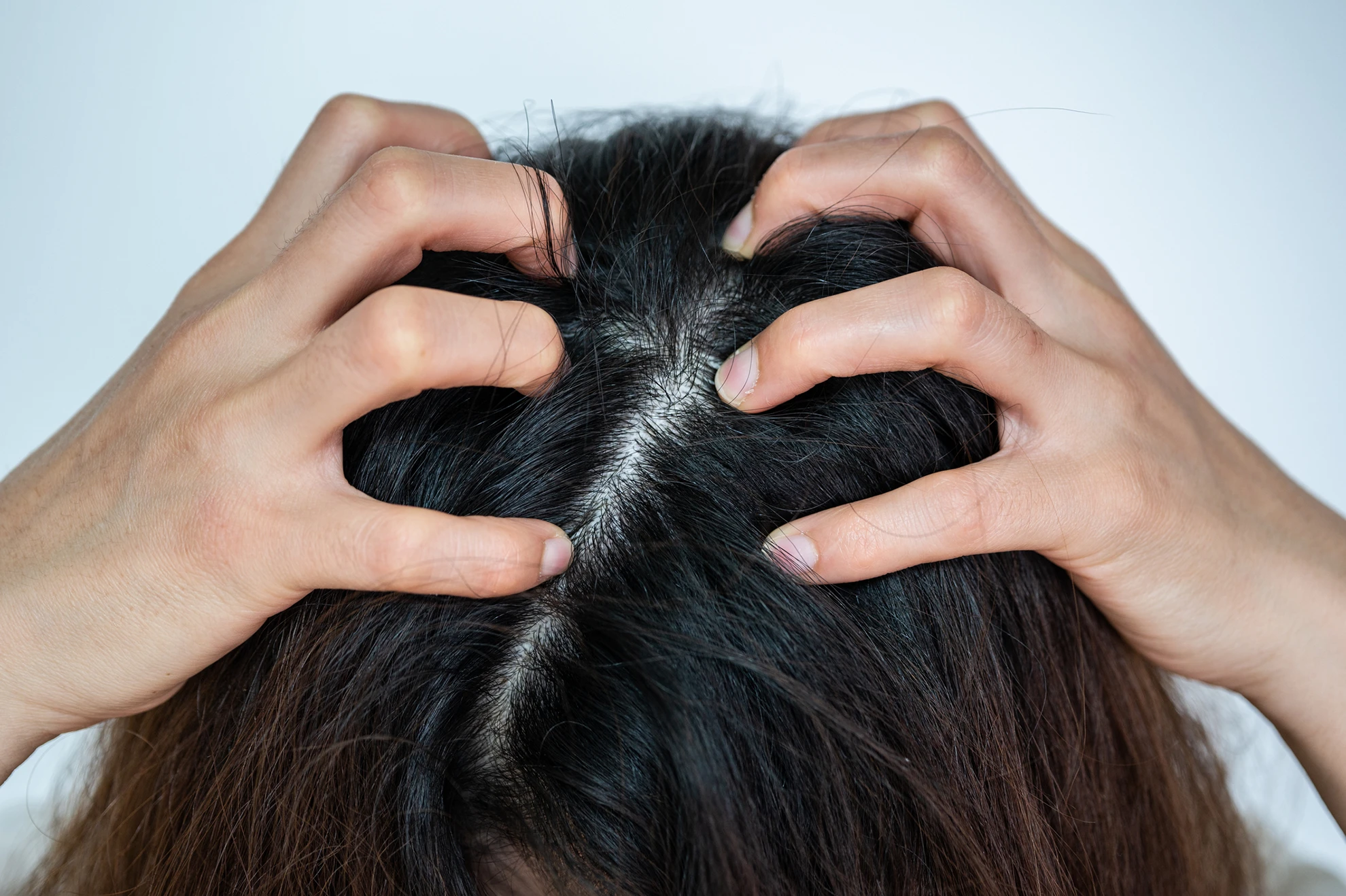
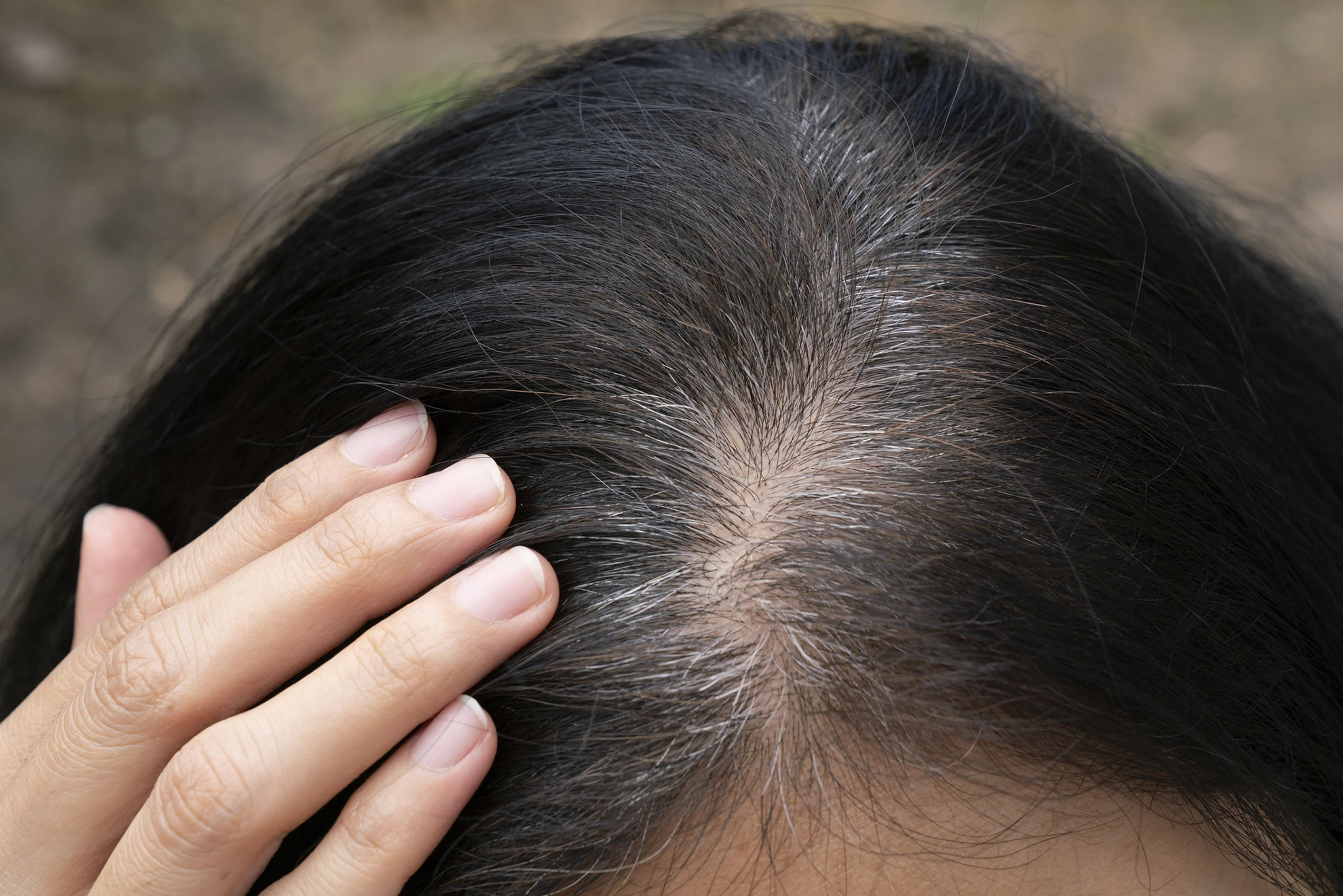
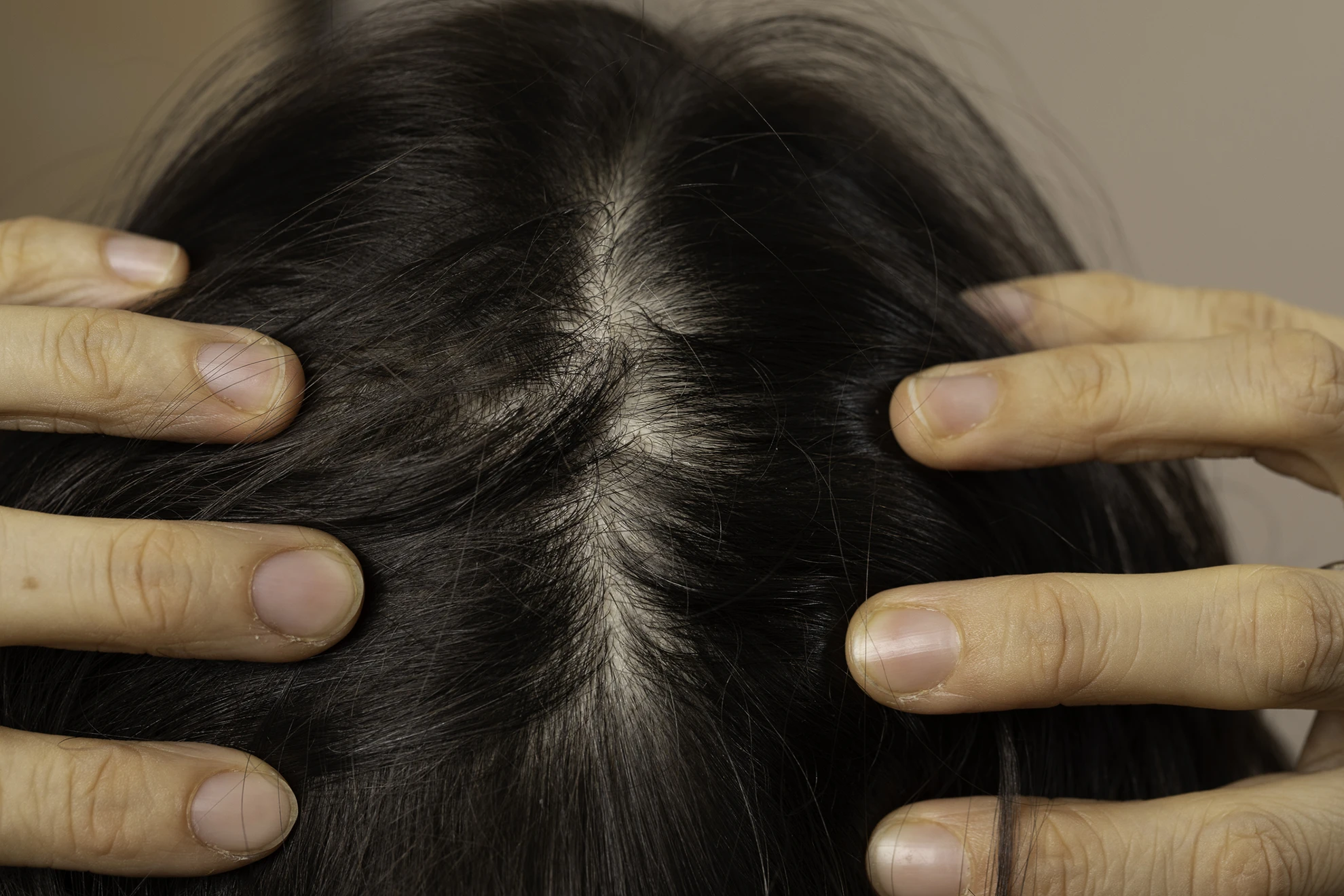
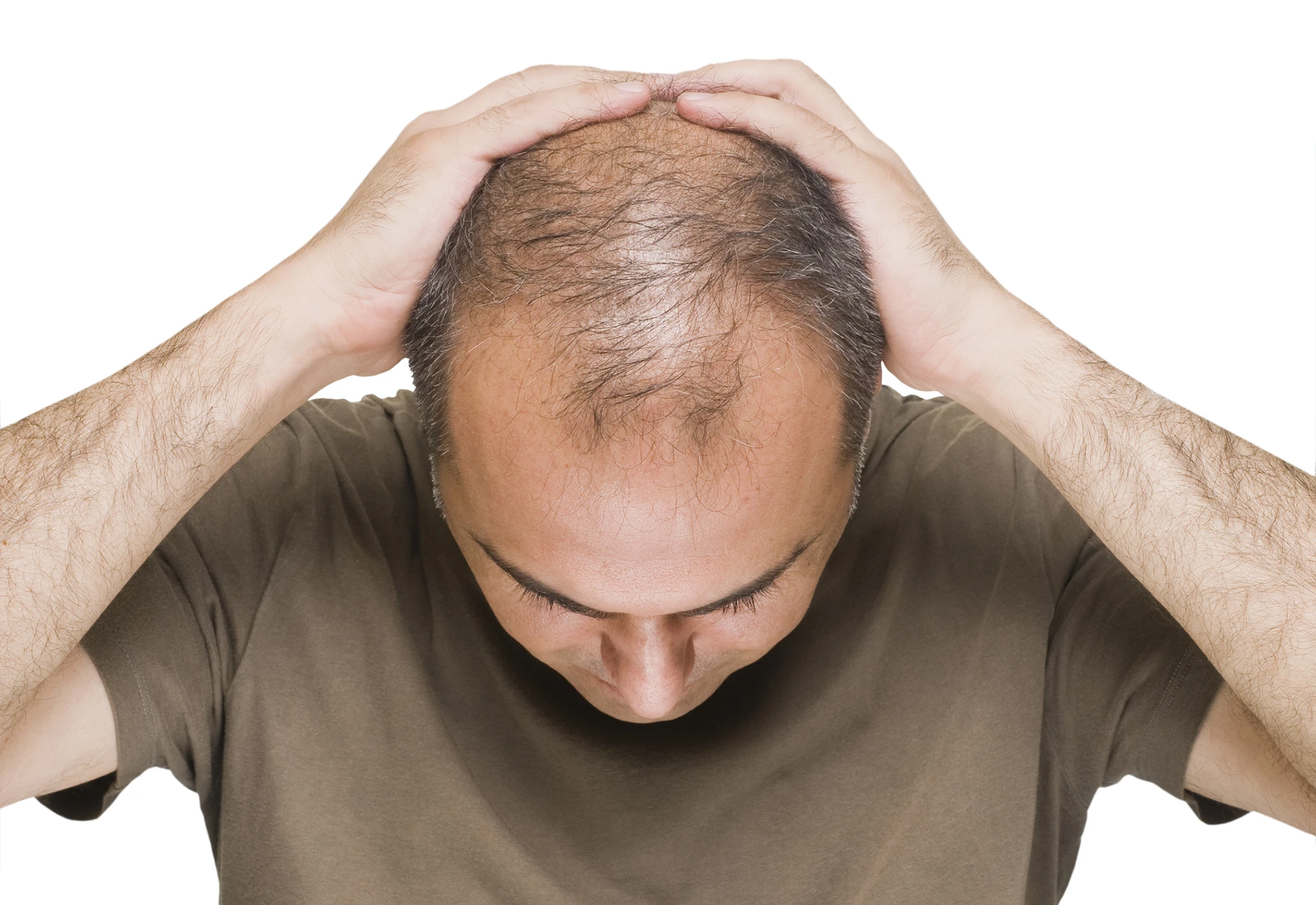
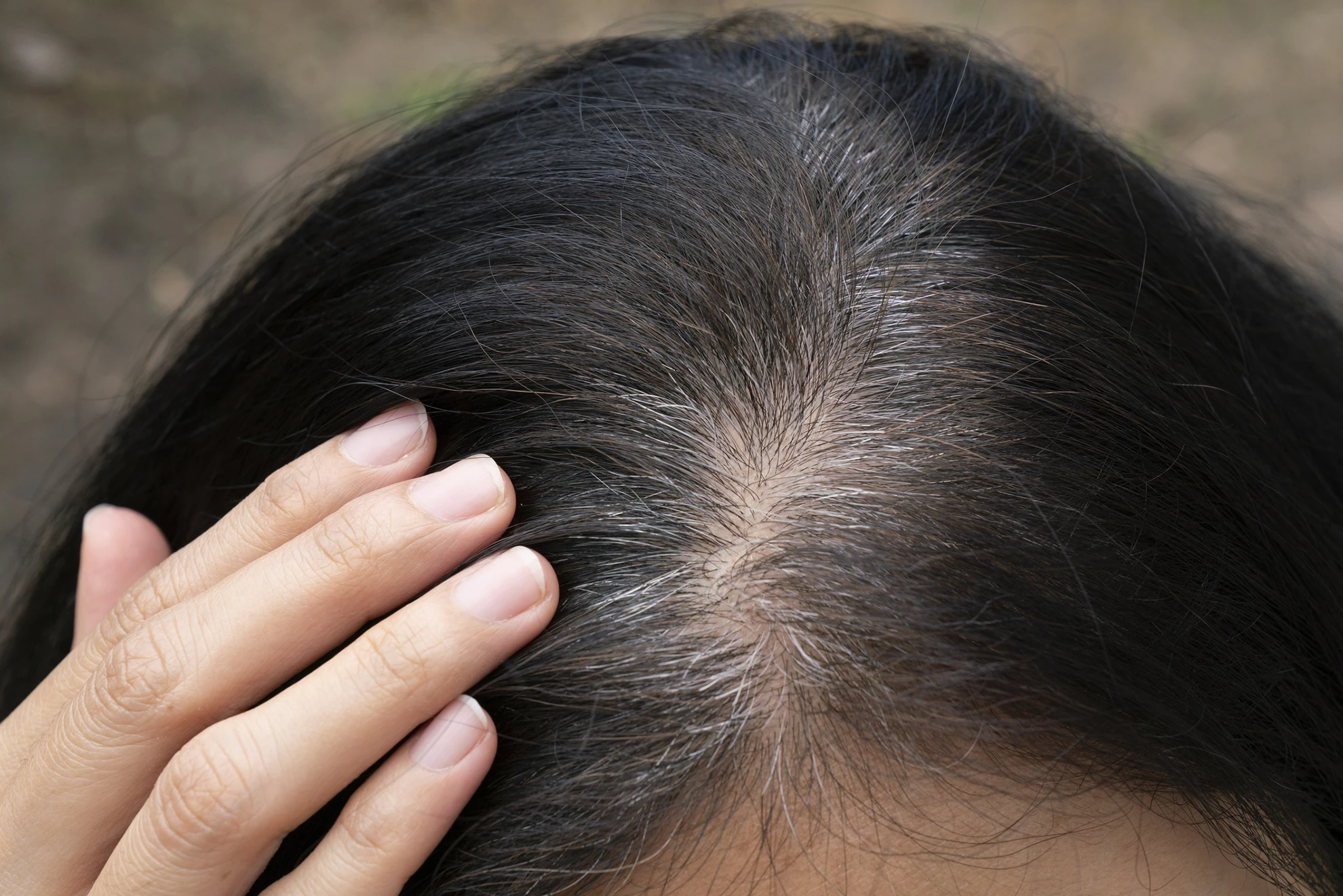
Microneedling with exosomes is also being used to treat hair loss conditions, including androgenetic alopecia (pattern hair loss).

Hair follicles contain stem cells that regulate hair growth cycles. In some individuals, these cells become less active due to hormonal changes, inflammation, or aging.

The European Hair Research Society highlights the role of follicular stem cells and regenerative therapies in improving hair growth and density.

Microneedling can stimulate the scalp and increase blood flow to hair follicles. When combined with exosomes or growth factors, this treatment may help activate dormant follicles.

Potential benefits include:

• thicker hair growth
• improved hair density
• healthier scalp environment

Dermatologists may combine microneedling with other therapies such as:

• PRP hair restoration
• low-level laser therapy
• peptide scalp treatments

Microneedling is also widely used to treat numerous skin conditions, including:

• acne scars
• stretch marks
• melasma
• sun damage
• enlarged pores

Because microneedling causes minimal surface damage, it is often safe for a wide range of skin tones, including darker skin types that may be more prone to hyperpigmentation with aggressive laser treatments.

Skin Tone, Hormones, and the Biology of Skin Regeneration

Skin biology varies significantly among individuals, particularly across different skin tones and hormonal environments.

For example, people with darker skin tones may be more prone to post-inflammatory hyperpigmentation, which occurs when inflammation stimulates excess melanin production.

Microneedling is often preferred for these patients because it stimulates collagen production without causing excessive heat or surface injury.

Hormones also play a critical role in skin health. During menopause, estrogen levels decline dramatically, leading to reduced collagen production and thinner skin.

Clinical insights from the European Menopause and Andropause Society confirm that declining estrogen levels affect collagen production, hydration, and skin thickness.

Studies suggest that women may lose up to 30% of their skin collagen within the first five years of menopause.

Hormone replacement therapy (HRT) can sometimes support healthier skin by improving collagen synthesis and hydration.

When combined with regenerative treatments such as microneedling and exosomes, these therapies can improve:

• skin elasticity
• hydration
• overall skin quality

Some physicians also incorporate collagen stimulators like Sculptra, which encourage the body to produce new collagen gradually.

Additionally, technologies such as Emsculpt Neo can improve muscle tone and metabolic health, contributing to a more youthful overall appearance.

These approaches reflect a broader shift toward integrative aesthetic medicine, where treatments support not only appearance but also overall health and longevity.

Confidence, Longevity, and the Future of Regenerative Aesthetics

Skin conditions such as acne scarring, hair loss, and premature aging can have a profound psychological impact. Research by the World Federation for Mental Health shows that individuals affected by these conditions often experience reduced self-confidence and social anxiety.

For many patients, improving their skin is not simply about cosmetic enhancement; it is about reclaiming confidence and feeling comfortable in their own skin.

The field of regenerative aesthetics is evolving rapidly as new technologies emerge. Scientists are exploring therapies that harness the power of stem cells, exosomes, peptides, and advanced energy-based devices to improve skin health at the cellular level.

Future treatments may focus even more on preventative and longevity-based approaches, helping individuals maintain healthier skin for longer periods of time.

Experts predict that regenerative aesthetics will become a central component of longevity medicine, a growing field dedicated to extending healthy lifespan and optimizing human performance.

The goal is not merely to reverse signs of aging but to support cellular regeneration, resilience, and long-term skin vitality.

Key Takeaway

Microneedling combined with exosomes and regenerative therapies represents one of the most promising advances in modern aesthetic medicine.

By stimulating collagen production and activating natural healing pathways, these treatments can improve a wide range of conditions—from acne scars and pigmentation to hair loss and skin aging.

When used as part of a personalized treatment plan that includes skincare, hormone balance, and healthy lifestyle choices, regenerative aesthetics can help patients achieve not only healthier skin but also greater confidence, vitality, and overall wellbeing.

RenewMD Wellness specializes in regenerative aesthetics, microneedling with exosomes and combination treatment regimens that optimize your biology.

Frequently Asked Questions About Microneedling and Exosomes

What is microneedling with exosomes?

Microneedling with exosomes is a regenerative aesthetic treatment that combines collagen-stimulating microneedling with stem-cell derived signaling particles called exosomes. These molecules help stimulate cellular repair, collagen production, and tissue regeneration.

What skin conditions can microneedling with exosomes treat?

Microneedling with exosomes is used to treat acne scars, wrinkles, pigmentation, enlarged pores, hair loss, sun damage, and uneven skin texture.

Is microneedling with exosomes better than microneedling alone?

Studies suggest that adding regenerative biologics such as exosomes may enhance healing, reduce inflammation, and stimulate stronger collagen production compared with microneedling alone.

Can microneedling with exosomes help hair loss?

Microneedling with exosomes may stimulate hair follicle activity and improve scalp health. It is often used alongside treatments such as PRP therapy or peptide scalp treatments for hair restoration.

Is microneedling safe for darker skin tones?

Microneedling is generally considered safe for a wide range of skin tones because it stimulates collagen production without significant heat damage to the skin.

What is microneedling with exosomes and how does it work?

Microneedling with exosomes combines collagen-stimulating micro-injuries with regenerative signaling molecules derived from stem cells. These exosomes enhance cellular communication, accelerate healing, and improve collagen production, resulting in smoother, healthier skin.

Is microneedling with exosomes better than traditional microneedling?

Yes, adding exosomes may significantly enhance results by improving healing speed, reducing inflammation, and stimulating stronger collagen production compared to microneedling alone.

What skin concerns can microneedling with exosomes treat?

This treatment is used for acne scars, fine lines, wrinkles, pigmentation, enlarged pores, skin laxity, and overall skin rejuvenation.

How many sessions of microneedling with exosomes are needed?

Most patients require 3–6 sessions spaced several weeks apart for optimal results, although improvements can often be seen after the first treatment.

How long does it take to see results from microneedling with exosomes?

Initial improvements may be visible within 1–2 weeks, with continued collagen production and skin improvement over 3–6 months.

Is microneedling with exosomes safe for all skin tones?

Yes, microneedling is generally safe for most skin tones because it does not rely on heat, reducing the risk of hyperpigmentation compared to some laser treatments.

Can microneedling with exosomes help with hair loss?

Yes, when applied to the scalp, microneedling with exosomes may stimulate hair follicles, improve blood flow, and support hair regrowth, especially when combined with other therapies like PRP or peptides.

Do exosomes actually regenerate skin?

Exosomes do not replace cells but send powerful signals that instruct skin cells to repair, regenerate, and produce collagen more efficiently.

What is the difference between exosomes and stem cells?

Stem cells are the “builders,” while exosomes are the “messengers” that deliver signals to repair and regenerate tissue without introducing live cells.

Is there downtime after microneedling with exosomes?

Downtime is typically minimal, with mild redness and sensitivity lasting 24–72 hours depending on treatment depth.

How does microneedling improve collagen production?

Microneedling creates controlled micro-injuries that activate the body’s natural healing response, triggering fibroblasts to produce new collagen and elastin.

Can microneedling with exosomes replace lasers or surgery?

While it may not fully replace surgical procedures, it can significantly improve skin quality, texture, and firmness, making it a powerful non-surgical alternative.

What are the benefits of combining microneedling with peptides or PRP?

Combining treatments enhances results by improving cellular signaling, accelerating healing, and increasing collagen production.

Who is a good candidate for microneedling with exosomes?

Ideal candidates include individuals with acne scars, aging skin, pigmentation issues, or early skin laxity who want non-surgical rejuvenation.

What is the future of regenerative skin treatments?

The future lies in personalized, combination therapies using exosomes, peptides, stem-cell signaling, and advanced technologies to optimize skin health and longevity.

Research References

  • American Academy of Dermatology – Microneedling and Skin Rejuvenation
  • Journal of Cosmetic Dermatology – Microneedling and Regenerative Skin Therapies
  • Dermatologic Surgery – Combination Treatments for Acne Scarring
  • International Journal of Molecular Sciences – Exosomes in Skin Regeneration
  • Stem Cell Research & Therapy – Exosomes and Tissue Repair
  • Dermato-Endocrinology – Hormones and Skin Aging

Microneedling with Exosomes (2026): Advances in Regenerative Aesthetics. The Future of Skin Rejuvenation, Hair Restoration, and Longevity Medicine2026-06-23T10:38:31-07:00

How Stem Cell Therapeutics Are Transforming Skin Care, Longevity & Regenerative Aesthetics

We are living in a moment in time when science is accelerating and improving the “anti-aging” therapeutics and possibilities.

For over three decades, companies have been focused on improving the science associated with aesthetics. From skin resurfacing treatments, lasers, injectables, microneedling, cellulite removal, hair restoration, weight loss, stubborn fat reduction and toning, we have been the beneficiaries of exciting improvements in technology and increasingly precise and targeted treatments for skin, body and wellness.

However, today, something even more powerful is happening that is supporting all these treatments in ways humanity has only dreamed of before. We are moving into the era of Stem Cell Therapeutics which is about improving how your cells function, the very engine that is constantly repairing and rejuvenating your body.

What are stem cell therapeutics?

What are stem cell therapeutics

Stem cell therapeutics are regenerative treatments that use stem cells, exosomes, and growth factors to improve cellular repair, communication, and tissue regeneration, supporting skin health, longevity, and overall wellness.

In aesthetic medicine, these therapies may help stimulate collagen production, reduce inflammation, improve skin barrier function, and enhance tissue regeneration.

By improving how cells communicate and repair themselves, stem cell therapy is opening new possibilities for skin rejuvenation, hair restoration, muscle recovery, immune resilience, skin barrier repair, wellness, menopause support and longevity medicine.

In the next section we will look at some of the “New Stem Cell Therapeutics” for skin care and other essential aesthetic services.

Modern regenerative treatments can use:

  • Mesenchymal stem cells (MSCs)
  • Stem cell–derived exosomes
  • Growth factor concentrates
  • Bioactive signaling molecules

A key finding in Stem Cell research is that “Stem cells don’t just replace damaged tissue. They communicate with it.” They release signaling molecules that:

  • Reduce inflammation
  • Stimulate collagen production
  • Improve blood flow
  • Activate local repair pathways
  • Modulate immune response

In other words, they help your body repair itself more efficiently. This is revolutionary because aging is not just about “damage” and a deterioration in your immune system which is known as “inflammaging”, but it is importantly about a decline in communication between cells which means:

  • Inflammation increases.
  • Important hormones decline.
  • Your bodies repair system slows.
  • Mitochondria weaken.

Research published in Nature Reviews Immunology highlights how chronic inflammation (“inflammaging”) disrupts signaling pathways and accelerates aging.

Stem cell therapeutics is about the science of re-igniting and re-setting the cellular communications systems in very targeted and precise ways.

We are in the early chapters of what can only be described as a golden era for “regenerative medicine” and possibilities that will change everything about health, aging and medicine. In this post we are focused on the aesthetic implications of stem cells for skin and wellness.

Stem Cells and Skin: Beyond Creams and Fillers

Let’s explore the implications of stem cell therapeutics for skin and aging. The American Academy of Dermatology highlights that collagen decline and barrier impairment are key drivers of visible aging. Skin aging is driven in large part by:

  • Collagen breakdown
  • Reduced fibroblast activity
  • Barrier dysfunction
  • Chronic low-grade inflammation (inflammaging)

While current treatments improve appearance and stimulate the skin’s regeneration properties at varying skin depth levels, regenerative aesthetics therapies focus on improving the bodies biology. Stem cell derived therapies may:

  • Increase collagen synthesis
  • Improve dermal thickness
  • Enhance wound healing
  • Reduce redness and inflammatory signaling
  • Support barrier repair

This matters significantly for different skin tones. For example:-

  • In lighter skin tones, inflammation often appears as redness and visible vessels. In deeper skin tones, inflammation often triggers hyperpigmentation.
  • By reducing inflammatory signaling at a cellular level, regenerative therapies may reduce the risk of pigment complications while improving texture and tone.
  • This is especially important during menopause, when estrogen decline accelerates collagen loss and barrier thinning.

The future of skincare is not about improving injectables and lasers which is certainly going to occur, but it is also about improving how your skin cells behave.

When you pair current skin and aesthetic technologies and injectables with cellular regeneration and repair, you are super-charging the impact not only on your skin care but simultaneously for your immunity, resilience and wellness.

We will talk more about this in the next section.

Skin Barrier Repair: The Immune Connection

Your skin barrier is your first immune skin defense system. Research published in the Journal of Investigative Dermatology shows that barrier dysfunction is closely linked to increased inflammatory signaling and impaired repair. When it weakens, you may experience symptoms such as:

  • Dryness
  • Sensitivity
  • Rosacea
  • Eczema flares
  • Slow healing

Menopause accelerates barrier decline because estrogen influences ceramide production. Stem cell–derived exosomes and regenerative treatments are being studied and utilized for their ability to:

  • Modulate inflammatory cytokines
  • Improve lipid production
  • Support keratinocyte repair
  • Strengthen epidermal integrity

This is critical because a strong barrier reduces systemic inflammatory load or lower inflammation – which is a valuable health goal – because that supports:

  • Better aging
  • Improved immune resilience
  • Healthier collagen
  • Stronger connective tissue

A big takeaway here is that Skin Barrier health supports longevity health and vice versa. They create a mutually re-enforcing network effect as your biological communications network is re-invigorated.

Next, we will look at the therapeutic value stem cells have on muscle growth and resulting longevity.

Muscle growth, performance, and longevity

Muscle Growth, Performance & Longevity

This is yet another area where regenerative medicine opens up exciting possibilities. The function of Muscle is not just about strength.

The American College of Sports Medicine emphasizes that maintaining muscle mass improves metabolic health, reduces inflammation, and supports long-term health outcomes. Why? It is a metabolic organ which regulates:

  • Blood sugar
  • Insulin sensitivity
  • Hormone balance
  • Inflammation levels
  • Longevity pathways

As we age, particularly during menopause and andropause (the men’s equivalent) – muscle mass declines.  Stem cell research in musculoskeletal medicine suggests potential roles in:

So, when combined with different types of therapeutics such as:

  • Resistance training
  • Protein optimization
  • Hormone evaluation
  • Anti-inflammatory nutrition

…the goal is to optimize biology and enhance performance outcomes as we age. We can say this because:

Higher muscle mass is strongly associated with lower mortality risk which means regenerative aesthetics is no longer just about skin.

Regenerative medicine and aesthetics is now about total biological optimization.

This changes the paradigm of Aesthetics opening a new world of stem cell therapeutics and combination treatments that provide powerful options to support improved treatments for skin care, hair, wellness, weight, joint support, toning, and much more.

Cellular Regeneration and the Longevity Revolution

Aging is largely driven by:

  • Chronic inflammation
  • Mitochondrial decline
  • Stem cell exhaustion
  • Cellular miscommunication

Stem cell therapeutics target these mechanisms at the signaling level. They are being studied for:

  • Immune modulation
  • Tissue repair
  • Improved microcirculation
  • Reduction of oxidative stress

When cellular communications improve, your cells response to stress and repair likewise improves and results follow:

  • Skin thickens
  • Hair stabilizes
  • Recovery improves
  • Energy increases
  • Mood stabilizes
  • Tissue resilience strengthens

Regenerative medicine opens possibilities that traditional aesthetic medicine simply cannot reach, and the field is advancing quickly.

Why This Opens a Whole New World of Aesthetic Treatments

Traditional aesthetic treatments change appearance, by addressing deeper layers in the skin that stimulate collagen production and repair. Regenerative treatments influence biology. That shift opens possibilities for combination treatments that:

  • Support menopausal skin changes
  • Enhance post-weight-loss skin recovery
  • Improve hair thinning
  • Support sports recovery
  • Strengthen immune resilience
  • Improve skin barrier integrity
  • Enhance confidence through true tissue health

In addition to enhancing beauty and appearance, stem cell therapeutics further support health, immunity, and strengthening resilience. We could not be more excited!

Emerging Facts in Stem Cell Therapeutics, Longevity & Regenerative Aesthetics

  • Cellular communication declines with age:
    Research suggests that aging is associated with a measurable decline in intercellular signaling efficiency, contributing to slower repair, increased inflammation, and reduced tissue regeneration.
  • Stem cells act primarily through signaling—not replacement:
    Studies now indicate that up to 80–90% of stem cell therapeutic effects are paracrine (signal-based) rather than from direct cell replacement.
  • Fibroblast activity drops significantly over time:
    By midlife, fibroblast function can decline by up to 50%, directly impacting collagen, elastin production, and skin structural integrity.
  • Skin barrier dysfunction increases systemic inflammation:
    Impaired skin barrier function has been linked to elevated circulating inflammatory markers, reinforcing the connection between skin health and whole-body aging.
  • Microcirculation decreases with age:
    Capillary density in the skin can decline by 20–30% over time, reducing oxygen and nutrient delivery essential for repair and regeneration.
  • Estrogen loss accelerates structural skin aging:
    During the first 5 years of menopause, women may lose up to 30% of skin collagen, highlighting the importance of regenerative support during this phase.
  • Muscle mass is a longevity predictor:
    Individuals with higher skeletal muscle mass have been shown to have significantly lower all-cause mortality risk, linking regenerative therapies to lifespan—not just aesthetics.
  • Stem cell exhaustion is a hallmark of aging:
    One of the recognized biological hallmarks of aging is the progressive depletion and dysfunction of stem cell populations, affecting tissue repair capacity.
  • Mitochondrial efficiency declines with age:
    Cellular energy production can decrease by up to 50% in aging tissues, contributing to fatigue, slower healing, and reduced resilience.
  • Inflammaging drives most chronic conditions:
    Chronic low-grade inflammation is associated with over 70% of age-related diseases, making anti-inflammatory regenerative strategies central to longevity medicine.
  • Hair follicle stem cells become less active over time:
    Reduced activation of follicular stem cells contributes to thinning hair and slower regrowth cycles with age.

Stem Cells are Sparking a Fundamental Shift in Medicine

Stem cells are sparking a fundamental shift in medicine

Stem cell therapeutics represent a fundamental shift in medicine and aesthetics that includes powerful additional support for improvements in cellular communications and biological regeneration.

Regenerative aesthetics is one of the fastest-growing sectors: The regenerative aesthetics market is expanding at a projected compound annual growth rate (CAGR) of 15–20%, driven by demand for natural, biologically driven results.

Mesenchymal stem cells are widely studied for their ability to modulate inflammation and promote tissue repair

Muscle mass is strongly associated with longevity and reduced mortality risk

Combination therapies outperform single treatments: Early clinical data suggests that combining regenerative therapies (e.g., exosomes + microneedling or PRP + peptides) can enhance outcomes by 2–3x compared to standalone treatments.

In the next section we look at how these new therapeutics are being used in aesthetics…

New Combination Treatments in Aesthetics

1. Skin Rejuvenation & Barrier Repair Combination
(For Thin, Dull, or Inflamed Skin)

Best For:

  • Fine lines
  • Uneven tone
  • Crepey texture
  • Post-menopausal skin thinning
  • Barrier damage

Combination Treatments can include:

Why It Works:

  • Microneedling stimulates collagen.
  • Exosomes enhance cellular communication and reduce inflammation.
  • Peptides direct collagen production.
  • Barrier repair prevents ongoing inflammatory damage.

Result: Thicker, brighter, more resilient skin with improved healing and reduced redness or pigmentation risk across skin tones.

2. Non-Surgical “Regenerative Lift” Protocol
(For Skin Laxity & Facial Volume Loss)

These are Best For:

  • Jawline softening
  • Skin laxity
  • Volume loss
  • Early jowling

Combination Treatments can include:

Why It Works:

Instead of simply filling, this protocol stimulates your own collagen and tightens connective tissue while enhancing repair.

Result: Gradual lifting, improved structure, and more natural contour without surgical downtime.

3. Hair Restoration & Scalp Regeneration Protocol
(For Thinning Hair & Early Pattern Loss)

Best For:

  • Diffuse thinning
  • Post-menopausal shedding
  • Stress-related hair loss
  • Early androgen-related thinning

Combination Treatment may include:

Why It Works:

  • PRP and exosomes stimulate follicle signaling.
  • Copper peptides support collagen around follicles.
  • Microneedling increases absorption and circulation.

Result: Improved scalp environment, thicker strands, slower shedding.

4. Joint Repair & Performance Optimization
(For Athletes, Aging Joints, Slow Recovery)

Best For:

  • Knee pain
  • Shoulder strain
  • Tendon issues
  • Slower sports recovery

Combination:

Why It Works:

  • Regenerative injections support local repair.
  • Peptides and IV therapy enhance recovery.
  • Strength training reduces systemic inflammation.

Result: Improved recovery, reduced stiffness, better performance.

5. Weight Loss + Muscle Toning + Skin Tightening
(For Metabolic Reset & Body Contouring)

Best For:

  • Stubborn abdominal fat
  • Post-menopausal weight gain
  • Skin laxity after weight loss
  • Reduced muscle tone

Combination Treatments may include:

Why It Works:

GLP-1 reduces appetite and improves insulin regulation. Emsculpt builds muscle while reducing fat. RF tightens skin during fat loss.

The Result is leaner appearance, preserved muscle, tighter skin, improved metabolic health.

How Stem Cell Therapeutics Are Transforming Skin, Longevity & Regenerative Aesthetics

Stem cell therapeutics represent a major shift from traditional aesthetic treatments toward true biological optimization, focusing on improving how cells repair, communicate, and regenerate. Rather than simply treating surface-level symptoms, these therapies work at the cellular level using stem cells, exosomes, and growth factors to enhance collagen production, reduce inflammation, strengthen the skin barrier, and support overall tissue health.

From a skin perspective, regenerative therapies improve dermal thickness, accelerate healing, and help reduce inflammatory signaling, which is especially important for maintaining healthy skin across different skin tones and during hormonal changes such as menopause. At the same time, strengthening the skin barrier supports immune function and reduces systemic inflammation, reinforcing the connection between skin health and overall longevity.

The new expanding role of aesthetics and stem cell therapeutics plays a powerful role in muscle health, recovery, and longevity, supporting tissue repair, improving resilience, and helping regulate inflammation and metabolic function. Since aging is driven by factors such as cellular miscommunication, mitochondrial decline, and chronic inflammation (inflammaging), regenerative therapies target these root causes—enhancing how the body functions rather than masking decline.

The most effective outcomes come from combination treatment approaches, where regenerative therapies are layered with technologies such as microneedling, RF skin tightening, peptides, and lifestyle optimization. These integrated protocols amplify results across skin, hair, muscle, and overall wellness, delivering improvements that are more natural, longer lasting, and biologically driven.

👉 In summary: Stem cell therapeutics are redefining modern medicine and aesthetics by shifting the focus from treating symptoms to optimizing the body’s internal repair systems. As regenerative medicine continues to evolve, it is becoming a cornerstone of skin health, performance, and longevity—marking the beginning of a new era where aging is no longer just managed but actively influenced at a cellular level.

We invite you to book a consultation to explore how regenerative medicine and aesthetics can transform your skin care.

Frequently Asked Questions About Stem Cell Therapeutics

What are stem cell therapeutics in aesthetic medicine?

Stem cell therapeutics refer to regenerative medical approaches that use stem cells, stem-cell-derived exosomes, or growth factors to stimulate tissue repair and cellular communication. These therapies are increasingly used in aesthetic medicine to support collagen production, improve skin texture, enhance healing, and promote healthier aging.

How do stem cell therapies improve skin health?

Stem cell-derived signals can stimulate fibroblasts, which are the cells responsible for producing collagen and elastin. This may help improve skin thickness, elasticity, hydration, and overall skin barrier function while reducing inflammation and visible signs of aging.

Are stem cell skincare treatments safe?

Most modern regenerative aesthetic treatments use stem-cell-derived signaling molecules such as exosomes or growth factors, rather than transplanting stem cells themselves. When performed by qualified medical professionals using approved protocols, these treatments are generally considered safe, although ongoing research continues to refine best practices.

What skin concerns can stem cell therapeutics help treat?

Stem cell-based regenerative treatments are being studied for their potential to support:
• fine lines and wrinkles
• skin thinning during menopause
• hyperpigmentation and inflammation
• hair thinning
• slow wound healing
• skin barrier dysfunction

How are stem cell treatments used with other aesthetic procedures?

Stem cell-derived exosomes and growth factors are often used alongside treatments such as microneedling, radiofrequency skin tightening, PRP therapy, or laser treatments. These combinations may enhance healing, reduce inflammation, and improve overall treatment outcomes.

Do stem cell therapies support longevity and wellness?

Stem cell-based regenerative therapies are being studied for their potential to influence inflammation, immune response, and tissue repair. Because these processes play important roles in aging biology, regenerative medicine is increasingly being explored as part of longevity and wellness strategies.

Research Support

  • Franceschi C et al., Nature Reviews Immunology, 2007 (Inflammaging)
  • Barry F & Murphy M., Nature Reviews Rheumatology, 2013 (Mesenchymal stem cells)
  • Brincat M et al., Maturitas, 2005 (Collagen and menopause)
  • Elias PM., Journal of Investigative Dermatology, 2005 (Skin barrier biology)
  • Srikanthan P et al., American Journal of Medicine, 2014 (Muscle mass and mortality)

How Stem Cell Therapeutics Are Transforming Skin Care, Longevity & Regenerative Aesthetics2026-06-08T15:59:48-07:00

What Is Stem Cell Therapy? The Role of Exosomes and Peptides in Regenerative Skincare

If you’ve been exploring regenerative medicine, you’ve probably heard these three words:

Stem Cells, Exosomes and Peptides.

They’re often mentioned together. Sometimes they’re used together. But they are not the same thing.

What are stem cells, exosomes, and peptides?

Stem cells repair and regenerate tissue, exosomes improve cellular communication, and peptides provide targeted biological instructions. Together, they form a regenerative system that supports skin health, muscle recovery, and longevity.

According to the International Society for Stem Cell Research, stem cell–based therapies and their signaling pathways are central to modern regenerative medicine, influencing tissue repair, inflammation, and cellular communication.

You can think of them as follows:

  • Stem cells are the architects and builders. They release Exosomes.
  • Exosomes are the biological text messages and communications network. They contain Peptides.
  • Peptides are the precise instructions that guide specific outcomes.

Are exosomes better than stem cells?

Exosomes and Stem Cells are part of an intricate biological system that regenerates, builds and repairs your body. Both are necessary for the system and architecture of your biology to function effectively.

Let’s take a closer look at each one and how each impacts skin care, barrier repair, muscle growth, longevity, and overall health.

1. Stem Cell Therapy

The Architects and Builders

Stem cells are living cells with the ability to develop into different types of tissue. In regenerative medicine, mesenchymal stem cells (MSCs) are most commonly discussed because they can influence:

Clinical research supported by the National Institutes of Health shows that stem cells play a role in:

• Tissue repair
• Inflammation control
• Collagen production
• Immune modulation
• Muscle recovery

They release growth factors and signaling molecules that tell other cells to repair themselves.

How do stem cells, exosomes, and peptides relate to skin & longevity?

How do stem cells, exosomes, and peptides relate to skin and longevity?

Stem cell–based therapies influence multiple systems in the body by enhancing repair, communication, and resilience at a cellular level.

In the skin, they stimulate:

• Stimulate collagen production
• Improve healing
• Reduce inflammatory signaling

leading to improved texture, tone, and overall skin barrier function.

In muscle tissue, they:

• Support recovery and
• Improve tissue resilience

And help reduce inflammation associated with physical stress and aging. The Mayo Clinic highlights that aging is associated with increased inflammation, reduced repair capacity, and declining cellular efficiency.

From a longevity perspective, these therapies play a broader role by:

• Modulating chronic inflammation (inflammaging) and
• Supporting cellular repair pathways that are essential for maintaining tissue function,  energy levels, and overall biological performance as we age.

However much of what stem cells do happens throughexosomes.

2. Exosome Therapy

The Communications and Messaging Network 

Exosomes are tiny vehicles released by stem cells. They are not cells. They are packages of:

• Growth factors
• RNA
• Proteins
• Repair signals

Think of exosomes as biological text messages sent from one cell to another. Research published in the Journal of Investigative Dermatology highlights the importance of cellular signaling in maintaining skin barrier function and tissue repair.

Instead of injecting whole cells, exosome therapy delivers the communication signals that activate repair.

Why That Matters for Skin and Aesthetics

In dermatology and aesthetics, exosomes are used to:

• Enhance microneedling
• Improve skin barrier repair
• Reduce redness
• Support collagen regeneration
• Improve pigmentation irregularities

In hair restoration, exosomes:
• Support follicle signaling
• Improve scalp microenvironment.

In muscle and sports medicine, exosomes:
Support tissue recovery
• Modulate inflammation.

Exosomes are the communications system. They contain “peptides” which are the precise targeted instructions that tell your body what to repair.

3. Peptide Therapy

The Precise Targeted Instructions

Peptides are short chains of amino acids — essentially tiny protein fragments.

They act like keys that unlock specific cellular behaviors. For example:-

  • Some peptides tell fibroblasts to make collagen.
  • Some stimulate growth hormone release.
  • Some reduce inflammation.
  • Some improve barrier repair.

They provide extremely targeted instructions.

For Skin Care you have the following type of peptides

Signal peptides:
• Stimulate collagen
• Improve elasticity
• Strengthen dermal structure.

Skin Barrier peptides:
• Improve ceramide production
• Reduce inflammation
• Strengthen skin resilience.

For Muscle Growth Peptides:
• Growth hormone–releasing peptides may support recovery and lean mass preservation (under medical supervision).

For longevity:
• Mitochondrial-targeting peptides are being studied for metabolic regulation.

Peptides are the precise instructions that guide specific outcomes. The American Academy of Dermatology highlights the role of peptides in supporting collagen production, skin barrier function, and overall skin health. You can find more information about Peptide therapy here.

How do stem cells, exosomes, and peptides work together?

Here’s where it gets exciting.

  • Stem cells release exosomes.
  • Exosomes contain peptides and growth signals.
  • Peptides fine-tune specific pathways.

They are not competitors. They are layered tools or mechanisms that can lead to exciting new therapeutic combinations that promote repair, healing and regeneration.

Research from Nature Reviews Immunology shows that effective cellular communication is essential for reducing chronic inflammation and supporting tissue regeneration.

The even better news is that you can now experience these new regenerative aesthetics combination treatments at RenewMD Wellness 😊

Some Examples of New Treatment Combinations Include:

Stem cell treatment combinations

Microneedling, Exosomes and Peptides
Benefits include:

  • Enhanced collagen
  • Reduced inflammation
  • Faster healing
  • Better tone across skin types

Hormone optimization + Peptides + Strength Training

Stem cells + Regenerative nutrition + Barrier repair

  • Improved healing
  • Stronger connective tissue
  • Enhanced longevity potential

Aging + Regeneration

As we age, our cellular communications network experiences more wear and tear as well as breakdowns when we experience illness and disease.

  • When inflammation rises, signaling becomes noisy.
  • When hormones decline, repair slows.
  • When mitochondria weaken, energy drops.

Stem cells, exosomes, and peptides are tools that help restore communication.

The American Society for Dermatologic Surgery supports combination approaches in aesthetic medicine to improve outcomes and reduce recovery time.

And when cells start to communicate better :

• Skin thickens and brightens
• Muscle recovers better
• Hair stabilizes
• Barrier function improves
• Longevity pathways activate

The same could be said about human communications. When communications systems break down ☹, we experience deterioration in qualitative connection that leads to disrupted signaling, emotional disruption and so forth which has a variety of potential distorting impacts.

Alternatively, when communications systems start to improve 😊, we experience enhanced pathways and improvement in our emotional regulators which in turn improves our performance output.

Key Notable Skin Aging and Stem Cell Facts

Key skin aging and stem cell facts

  • Skin aging is largely driven by inflammation:
    Up to 80–90% of visible skin aging is influenced by environmental and inflammatory factors (UV exposure, pollution, oxidative stress), not just chronological age.
  • Exosomes show strong regenerative signaling potential:
    Preclinical and early clinical studies suggest exosomes can increase collagen production by up to 30–40% and significantly improve wound healing response.
  • Microneedling + exosomes enhance outcomes:
    Combining exosomes with microneedling has been shown to accelerate healing time by up to 50% and improve skin texture, tone, and redness more effectively than microneedling alone.
  • Hair restoration support:
    Exosome-based therapies have shown improvements in hair density and thickness in early studies, with some reporting 15–25% increases in hair count over several months.
  • Chronic inflammation (“inflammaging”) is a key aging driver:
    Low-grade inflammation is linked to most age-related conditions, and targeting it can significantly improve skin quality, recovery, and longevity markers.

The KEY Takeaway’s

Stem cells build. Exosomes communicate. Peptides instruct.

When used appropriately under medical supervision, they support the biology that allows your body to repair itself. That supports better skin, skin health, muscle growth, longevity and regeneration so you can age with great resilience, beauty and immunity.

Is it time to turn back your biological clock? Learn more about regenerative aesthetics and medicine at RenewMD and book a consultation when you are ready.

Frequently Asked Questions About Stem Cells, Exosomes and Peptides

What is stem cell therapy for skin?

Stem cell therapy for skin is a regenerative treatment that uses stem cells or stem-cell-derived signals to support tissue repair and collagen production. These therapies may help improve skin elasticity, reduce inflammation, and promote healthier skin regeneration.

What are exosomes and how do they help the skin?

Exosomes are microscopic communication particles released by cells. They contain proteins, RNA, and growth signals that help cells communicate with each other. In dermatology, exosomes are used to support collagen production, improve skin tone, and enhance healing after treatments such as microneedling.

What do peptides do in skincare?

Peptides are short chains of amino acids that act as signaling molecules in the body. In skincare, peptides help stimulate collagen production, strengthen the skin barrier, reduce inflammation, and improve skin elasticity.

How are stem cells, exosomes, and peptides different?

Stem cells are living cells capable of influencing tissue repair.
Exosomes are communication signals released by cells that deliver repair messages.
Peptides are small proteins that provide targeted instructions for cellular activity.

Together they form a regenerative system that supports tissue repair and cellular communication.

Can stem cell therapy reverse aging skin?

Stem cell-based regenerative treatments may help improve skin thickness, collagen levels, and overall skin quality. While they cannot stop aging entirely, these therapies aim to improve the biological processes that influence skin aging.

Are stem cell skincare treatments safe?

Many regenerative aesthetic treatments use stem-cell-derived growth factors or exosomes rather than injecting living stem cells. When performed by qualified medical professionals, these treatments are generally considered safe, although research continues to evolve.

What skin conditions may benefit from regenerative therapies?

Stem cell-based therapies are being studied for their potential role in improving:
• fine lines and wrinkles
• skin thinning
• hyperpigmentation
• hair thinning
• slow wound healing
• skin barrier dysfunction

Do Exosomes improve skin healing?

Yes, exosomes enhance cellular communication, reduce inflammation, and accelerate healing, especially when combined with treatments like microneedling.

Are peptides good for skin barrier repair?

Yes, peptides help strengthen the skin barrier by improving collagen production, reducing inflammation, and supporting lipid balance.

Do regenerative treatments improve skin aging?

Yes, regenerative treatments can improve collagen production, reduce inflammation, and enhance cellular repair, helping slow visible signs of aging.

Research Support

  • Franceschi C et al., Nature Reviews Immunology, 2007 (Inflammaging)
  • Pickart L & Margolina A., International Journal of Molecular Sciences, 2018 (GHK-Cu peptides)
  • Barry F & Murphy M., Nature Reviews Rheumatology, 2013 (Mesenchymal stem cells)
  • Robinson LR et al., International Journal of Cosmetic Science, 2005 (Signal peptides in skin repair)

What Is Stem Cell Therapy? The Role of Exosomes and Peptides in Regenerative Skincare2026-06-08T15:59:48-07:00
Go to Top