Does Menopause Cause Hair Loss? Signs, Statistics, Causes & Treatments (2026 Guide)
Medically Reviewed by: Dr. Simran Sethi – Regenerative Medicine & Dermatology Specialist
Last Updated: June 8, 2026
Understanding the Science, the Signs, and the Modern Treatments That Can Help
Hair is deeply connected to identity, confidence, and how we see ourselves in the mirror. I hear that from patients a lot. It can be disconcerting to notice thinning hair during midlife so the question often arises in my patients, whether menopause actually causes hair loss?
So, does menopause cause hair loss?
The short answer is yes—menopause can contribute to hair thinning because declining estrogen levels shorten the hair growth cycle and increase follicle sensitivity to androgens. This can lead to female pattern hair loss, slower hair growth, and increased shedding.
However, the real story is far more complex due to additional factors such as inflammation, skin biology, metabolism, and cellular signaling.
According to the International Menopause Society, menopause impacts multiple biological systems including hormones, inflammation, and metabolic function—all of which influence hair growth.
Early treatment at onset, with therapies such as PRP, regenerative medicine, hormone optimization, and scalp treatments can help restore follicle health and improve hair density.
How Common Is Hair Loss During Menopause?
Hair thinning during menopause is far more common than many women realize. Clinical data referenced by the National Institutes of Health shows that up to 40–50% of women experience noticeable hair thinning by midlife, often linked to hormonal shifts and aging biology.
Studies have also shown that hormonal changes during menopause can alter the normal hair cycle and reduce the time hair remains in its growth phase. Because these changes happen gradually, many women may not notice them until the thinning becomes more visible.
The good news is that when addressed early (and this is critical because treatment must occur before your hair follicles go dormant for too long), many modern treatments can significantly improve scalp health and hair density.
Does Hair Loss Occur During Menopause?
Yes, Hair loss during menopause is related to hormonal changes that affect the hair growth cycle. As estrogen and progesterone levels decline, hair follicles spend less time in the growth phase and more time in the shedding phase.
The Endocrine Society highlights that declining estrogen alters hair growth cycles, reduces follicle support, and increases sensitivity to androgens.
However, The Causes for Menopausal Hair Loss Are More Complex. The story is far more interesting than a simple hormonal change. Hair loss during menopause is connected to a complex inter-connected shift in the body involving hormones, inflammation, skin biology, metabolism, and cellular signaling.
Let’s explore the biology and science of what is really happening and why?
The Biology of Menopause and Hair Loss
During menopause, the levels of estrogen and progesterone decline significantly. These hormones play an important role in regulating the hair growth cycle.
Hair grows in three phases:
• Anagen (growth phase)
• Catagen (transition phase)
• Telogen (resting and shedding phase)
Estrogen helps keep hair in the anagen growth phase longer, meaning hair grows thicker and fuller. When estrogen levels fall during menopause, more hair follicles shift into the telogen phase, which leads to increased shedding.
Research published in the Journal of Investigative Dermatology shows that aging skin and scalp experience reduced regenerative capacity and slower repair.
At the same time, androgens (male-type hormones) can become relatively more dominant. These hormones may shrink hair follicles in genetically susceptible women, a process called follicular miniaturization.
This typically happens to some greater or lesser degree depending on a wide range of genetic and health factors. And yes, this results in hair:
• getting thinner
• growing slower
• becoming more fragile
• becoming more prone to shedding
This type of hair loss is known as female pattern hair loss (FPHL).
From a neuroscience perspective, hair changes can also influence emotional well-being. The brain’s reward and self-image centers are strongly linked to physical appearance. When hair thins, it can affect confidence, mood, and self-perception.
This is why addressing hair health during menopause is not simply cosmetic—it supports psychological wellness and identity.
Signs to Watch for During Menopause
Hair loss during menopause usually happens gradually rather than suddenly. You may not even take note of it as you go about your daily life. However common signs do start to show up such as:
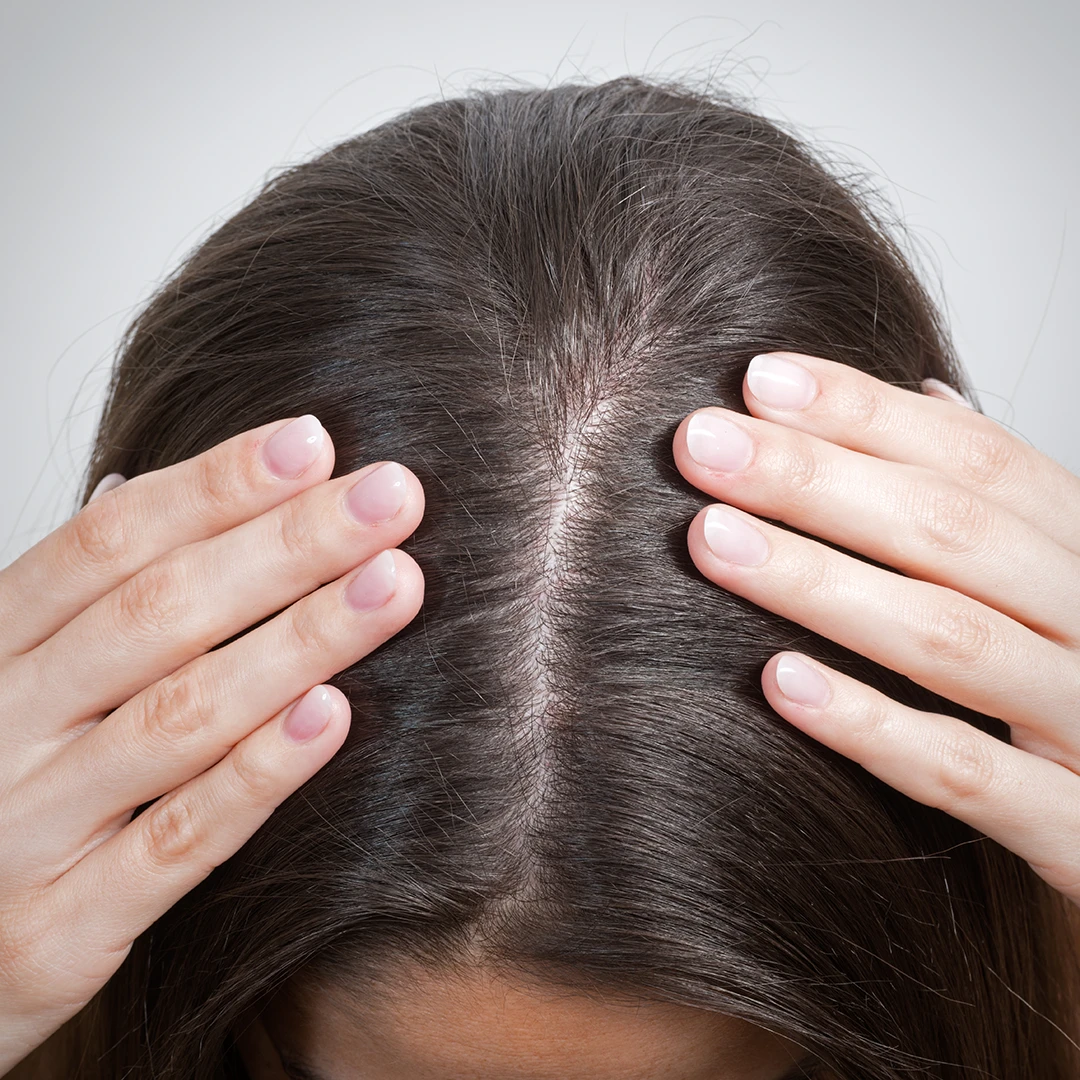
• a widening part line
• a decrease in ponytail thickness
• you find yourself shedding more hair when brushing
• your hair may feel finer or more brittle
• increased scalp visibility under bright light
Many women notice thinning around the crown of the scalp, rather than the receding hairline commonly seen in men.
Hair loss during menopause may also occur alongside other biological changes. I see this a lot in our practice as well. Patients may be experiencing:
• dry or thinning skin
• decreased collagen production
• increased inflammation
• slower wound healing
• changes in scalp oil production
These changes happen because the scalp is an extension of the skin barrier, and menopause significantly affects skin biology.
We have mentioned this in other articles but it’s worth mentioning again because it is very significant. Research shows that women can lose up to 30% of collagen within the first five years after menopause, which affects both skin elasticity and the structural support around hair follicles.
Another factor is inflammaging—chronic low-grade inflammation associated with aging. Inflammation around hair follicles can disrupt normal hair cycling and impair follicle function.
This is why modern hair loss treatments often include improving the scalp environment and not just stimulating hair growth.
Why Treatment Matters – The Menopause Hair Loss Statistics
• Up to 50% of women experience noticeable hair thinning by age 50
• Hair follicle density can decrease by up to 15–20% during midlife, contributing to visibly reduced hair volume
• The hair growth (anagen) phase may shorten by up to 50% with hormonal changes, leading to thinner, shorter strands
• Nearly 1 in 3 women report increased hair shedding during perimenopause, even before menopause is complete
• Chronic scalp inflammation has been linked to significantly impaired follicle function, contributing to progressive thinning over time
Do Different Skin Types Experience Hair Loss Differently?
Hair loss can affect women of all skin tones, but there are important differences in how it may appear or progress. We treat many different skin tones in our clinic so these are just some of the more common things we see in our patients:
Women with lighter skin tones often notice:
• diffuse thinning
• widening of the part line
• overall reduction in hair density
Women with darker skin tones may be more prone to specific hair conditions such as:
• traction alopecia
• central centrifugal cicatricial alopecia (CCCA)
These conditions can sometimes be worsened by styling practices that place tension on the scalp.
Additionally, melanin-rich skin may respond differently to inflammation and scarring around follicles, which can influence hair growth patterns.
This highlights the importance of personalized treatment strategies based on skin biology, hair type, and scalp health.
Scalp care is increasingly viewed as part of skin barrier health. A healthy scalp requires:
• balanced microbiome
• proper hydration
• reduced inflammation
• good circulation
Supporting scalp health helps create the environment hair follicles need to regenerate.
Modern Treatments for Menopausal Hair Loss
Thanks to modern medicine today’s hair restoration strategies are far more advanced than they were even ten years ago.
We find that combination approaches often produces the best results depending on the specific conditions of each patient. Treatments are tailored very specifically to each patient’s health and symptom profile.
Hormone Optimization
For some women, hormone replacement therapy (HRT) can improve hair density by restoring hormonal balance.
However, HRT alone does not address all causes of hair loss.
PRP Therapy (Platelet-Rich Plasma)
PRP therapy involves drawing a small amount of the patient’s blood and concentrating on the platelets. These platelets contain growth factors that stimulate hair follicles.
PRP can:
• increase hair thickness
• extend the hair growth phase
• improve follicle health
Stem Cell and Regenerative Therapies
Emerging regenerative treatments use stem cell–derived growth factors or exosomes to improve cellular signaling around hair follicles.
These therapies aim to:
• stimulate dormant follicles
• improve scalp circulation
• reduce inflammatory signals
• enhance cellular regeneration
Regenerative medicine focuses on helping the body repair itself, which is why it is gaining attention in longevity medicine.
Microneedling and Scalp Stimulation
Microneedling creates tiny micro-injuries in the scalp that stimulate the body’s natural healing response.
Benefits include:
• increased blood flow
• improved growth factor release
• enhanced absorption of topical treatments
Nutritional and Metabolic Support
Hair follicles require adequate nutrients and metabolic health.
Important nutrients include:
• iron
• vitamin D
• zinc
• protein
Muscle health and metabolic balance also influence hair growth because they regulate hormones and inflammation.
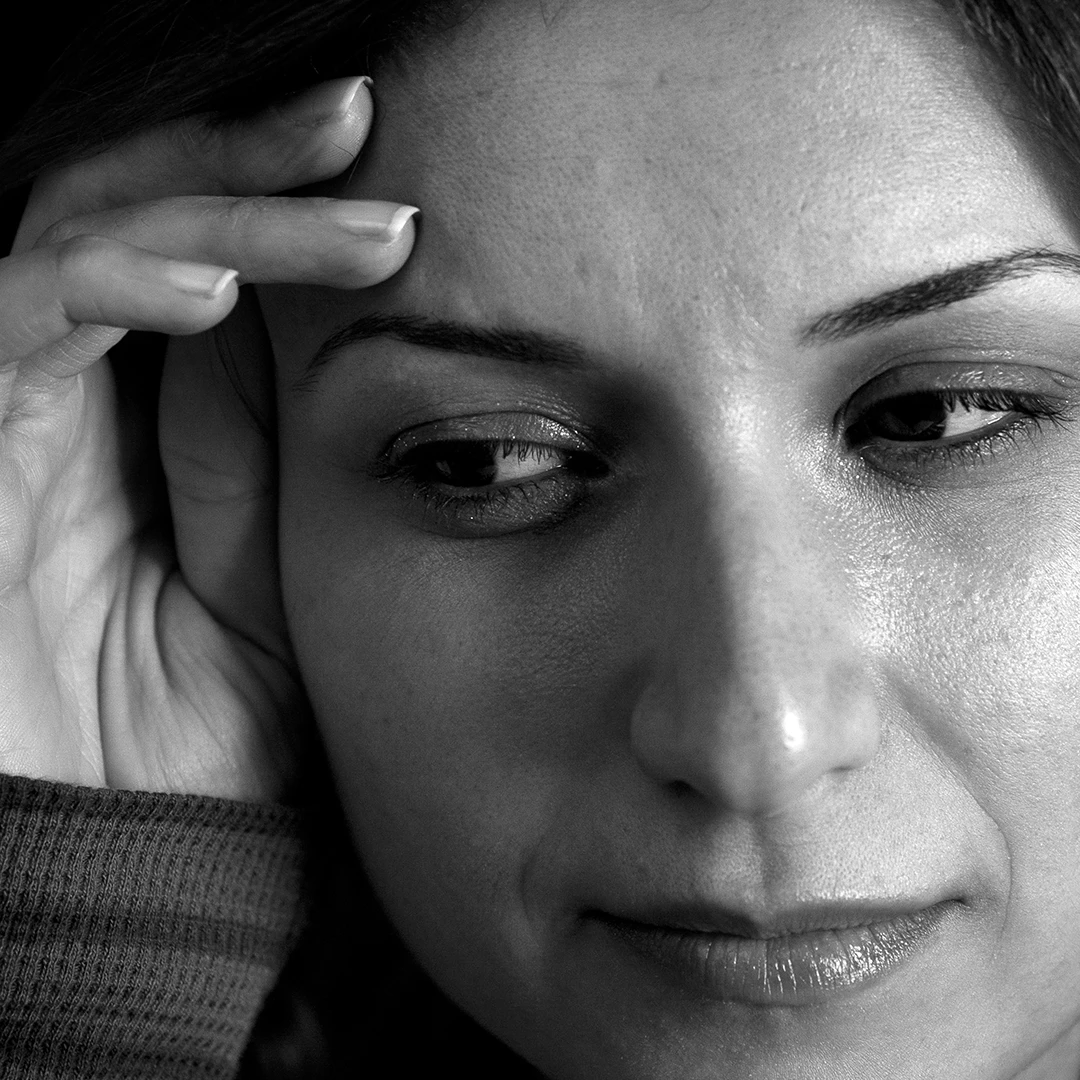
The Psychological Side of Hair Loss
Hair loss can have a profound emotional impact. Research shows women experiencing hair thinning often report decreased self-confidence and increased stress.
From a neuroscience perspective, restoring hair health can create positive feedback loops in the brain, improving confidence, motivation, and overall well-being.
This is why treating hair loss is not just about appearance; it supports mental resilience and quality of life.
Why Treating Hair Loss Early Makes a Significant Difference
One of the most important insights in modern hair restoration science is that early intervention produces better outcomes.
Hair follicles that remain active but weakened can often recover when treated with the right therapies.
However, if follicles remain inactive for long periods, they may shrink and become more difficult to reactivate.
According to the American Academy of Dermatology, early signs of hair thinning should be evaluated promptly to improve treatment outcomes.
This is why experts increasingly recommend evaluating hair thinning as soon as changes become noticeable, especially during perimenopause and early menopause.
Taking action early can preserve follicle health and support long-term hair density.
The Key Takeaways
Menopause can absolutely contribute to hair thinning, but it is rarely caused by hormones alone.
Hair health during menopause is influenced by:
• hormonal changes
• scalp biology
• inflammation
• collagen decline
• cellular signaling
• metabolic health
A critical takeaway that you need to know, is that treatment outcomes depend on acting as soon as you start to notice the signs of thinning hair and decrease the longer your hair follicles remain dormant.
The good news is that modern treatments, from PRP and regenerative medicine to hormone optimization and scalp therapies, are opening new possibilities for restoring hair health as long as you act on this soon after you notice a trend of thinning hair.
With the right approach and treatment guidance, women can not only support their hair growth, but also their overall skin health, confidence, and longevity.
Hair loss during menopause is common but it is no longer something women have to accept with all the new supporting treatments available and that are yet to come.
If you are interested in learning more about supporting your best hair, please book a complimentary consultation.
Frequently Asked Questions About Menopause and Hair Loss
Does menopause always cause hair loss?
No. Not every woman experiences hair thinning during menopause. However, hormonal changes can increase the likelihood of hair loss in women who are genetically predisposed or experiencing inflammation, nutritional deficiencies, or scalp health issues.
At what age does menopause hair loss usually begin?
Hair thinning related to menopause often begins during perimenopause, which typically occurs between ages 40 and 50. Hormonal fluctuations during this stage can disrupt the hair growth cycle before menopause officially begins.
How much hair loss during menopause is normal?
It is normal to shed 50 to 100 hairs per day. However, noticeable thinning, widening of the hair part, or a reduction in ponytail thickness may indicate menopause-related hair loss.
Can hormone replacement therapy help with hair loss?
Hormone replacement therapy (HRT) may improve hair density in some women by restoring estrogen levels. However, hair loss during menopause is usually influenced by multiple factors, so additional treatments such as PRP therapy, scalp treatments, and nutritional support may also be beneficial.
What are the best treatments for menopause hair loss?
Modern treatments that may help include:
• Platelet-Rich Plasma (PRP) therap
• Stem cell–based regenerative treatments
• Microneedling for scalp stimulation
• Hormone optimization
• Nutritional and metabolic support
Combination approaches often produce the best results.
Can hair grow back after menopause hair loss?
Yes, in many cases hair regrowth is possible. Hair follicles often remain alive but become inactive or weakened. Treatments that improve scalp circulation, reduce inflammation, and stimulate growth factors can help reactivate follicles.
Does menopause affect hair differently in different skin tones?
Yes. Women with different skin tones may experience different patterns of hair loss. For example, women with melanin-rich skin may be more prone to traction alopecia or central centrifugal cicatricial alopecia (CCCA), while others may experience diffuse thinning across the scalp.
When should you see a doctor for menopause hair loss?
You should consider medical evaluation if you notice:
• sudden or excessive shedding
• patchy hair loss
• rapid thinning
• scalp irritation or inflammation
Early diagnosis often improves treatment outcomes.
Research Support
- Brincat M et al., Maturitas (2005) — Estrogen decline and collagen loss
- Trueb RM., Dermatology (2009) — Female pattern hair loss and menopause
- Yip L & Zaloumis S., International Journal of Dermatology (2015) — Hormonal influences on female hair loss
- Franceschi C., Nature Reviews Immunology (2007) — Inflammaging and aging biology
- Gentile P et al., Stem Cells International (2017) — PRP therapy for hair regeneration
- Alves R & Grimalt R., Journal of Cosmetic Dermatology (2016) — Microneedling for hair loss treatment
Disclaimer: This content is for educational purposes only and does not constitute medical advice. Consult with a licensed professional before starting any new skin treatment.