Breakthroughs in Melasma Treatment: How PicoSure Laser Pigment-Seeking Technologies and Combination Treatments Are Changing Melasma and Hyperpigmentation Treatment
Medically Reviewed by: Dr. Simran Sethi – Regenerative Medicine & Dermatology Specialist
Last Updated: June 23, 2026
Melasma is one of the most common and frustrating pigmentation disorders treated by dermatologists worldwide. Patients often describe it as persistent, unpredictable, and emotionally distressing. The condition appears as dark patches on the cheeks, forehead, upper lip, or jawline and can be difficult to treat with traditional approaches.
What Is the Best Treatment for Melasma?
Melasma treatment usually requires a combination approach because the condition is influenced by hormones, inflammation, and sun exposure. For many years, melasma treatments focused primarily on topical creams or single laser procedures. While these methods sometimes improved pigmentation temporarily, the condition often returned. Research supported by the British Association of Dermatologists shows that monotherapy often leads to temporary improvement with high recurrence rates.
Today, modern dermatology is entering a new era of combination treatments and regenerative aesthetics. Technologies such as PicoSure Pro pigment-seeking lasers, microneedling, regenerative medicine, advanced chemical peels, and skin barrier repair therapies are transforming how physicians treat melasma.
Instead of targeting only pigment on the surface of the skin, these approaches address the biological causes of melasma, including inflammation, vascular signaling, hormonal changes, and cellular repair mechanisms.
Let’s explore how melasma develops, why it affects different skin tones differently, and how new treatment breakthroughs are helping patients achieve clearer, healthier skin.
What Is Melasma and How Common Is It?
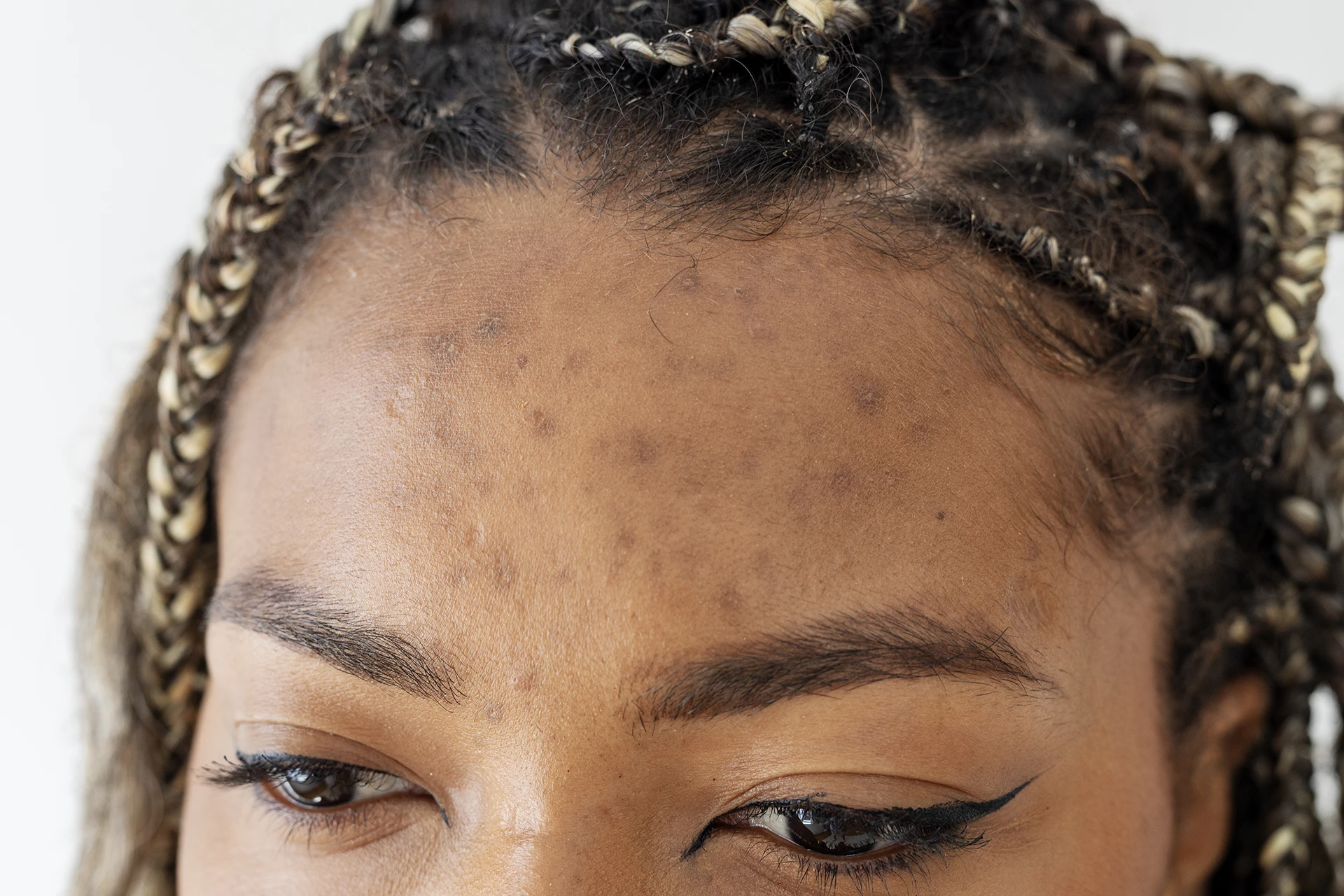
Melasma is a chronic pigmentation disorder caused by overactive melanocytes, the cells that produce melanin—the pigment responsible for skin color.
The condition usually appears as symmetrical brown or gray patches on the face, especially on:
• cheeks
• forehead
• upper lip
• nose
• jawline
Melasma is surprisingly common.
Research suggests that 15–30% of women worldwide develop melasma, making it one of the most common pigment disorders in dermatology. Global data referenced by the International Society of Dermatology indicates that the number melasma affects is closer to 30% of women worldwide, making it a major dermatological concern.
The condition affects women far more frequently than men because hormones play a major role in its development.
Common triggers include:
• sun exposure
• pregnancy
• birth control hormones
• menopause
• inflammation
• genetics
Melasma is sometimes referred to as the “mask of pregnancy” because hormonal changes during pregnancy frequently trigger it.
However, many women develop melasma during perimenopause and menopause, when hormonal fluctuations affect skin biology and vascular signaling.
Scientists now understand that melasma is not just a pigment disorder. It involves multiple biological pathways including:
• inflammation
• vascular signaling
• hormonal regulation
• oxidative stress
• skin barrier dysfunction
This complexity explains why melasma can be so stubborn to treat.
The Different Types of Melasma
Melasma appears in several different forms depending on how deeply pigment is deposited in the skin. Understanding the type of melasma is essential for selecting the right treatment strategy.
Research in the Journal of Clinical and Aesthetic Dermatology emphasizes that identifying pigment depth is critical for successful treatment outcomes.
Epidermal Melasma
Pigment is located in the outer layer of the skin.
This type often responds well to:
• topical treatments
• chemical peels
• laser therapies
Dermal Melasma
Pigment is located deeper within the dermis.
This form is more challenging to treat because pigment particles are embedded deeper in the skin.
Mixed Melasma
Many patients have both epidermal and dermal pigmentation.
Combination treatments are usually required for best results.
Melasma also behaves differently depending on skin tone.
Patients with deeper skin tones have more active melanocytes, which means pigment cells respond more strongly to inflammation.
This makes post-inflammatory hyperpigmentation more likely if treatments generate too much heat or irritation.
Because of this, modern dermatology increasingly uses gentler, pigment-targeting technologies rather than aggressive procedures.
Breakthrough Technology — PicoSure Pro Pigment-Seeking Laser
One of the most exciting developments in melasma treatment is picosecond laser technology, particularly the PicoSure Pro laser.
Traditional lasers rely heavily on heat to destroy pigment.
However, heat can trigger inflammation, which sometimes worsens pigmentation, especially in darker skin tones.
PicoSure Pro works differently. It uses ultra-short picosecond pulses that break pigment particles into tiny fragments without generating excessive heat. This “pigment-seeking” technology allows dermatologists to target melanin more precisely while minimizing inflammation.
Clinical studies show picosecond lasers can:
• break apart pigment particles
• stimulate collagen production
• improve skin texture
• reduce risk of post-inflammatory hyperpigmentation
Another benefit of PicoSure Pro is that it can improve overall skin quality.
When combined with microneedling or regenerative treatments, it stimulates fibroblasts—the cells responsible for producing collagen and repairing tissue.
This helps improve:
• skin thickness
• elasticity
• tone
• overall skin glow
Because melasma is influenced by inflammation and barrier dysfunction, improving overall skin health is critical for long-term results.

Combination Treatments — The Future of Melasma Therapy
The most successful melasma treatments today use multi-layered strategies that address multiple biological pathways simultaneously.
The American Society for Dermatologic Surgery supports the use of combined modalities—including lasers, microneedling, and chemical peels—for improved clinical outcomes.
A modern melasma treatment plan may include:
• PicoSure Pro laser for pigment disruption
• microneedling to stimulate collagen and repair pathways
• chemical peels to improve cellular turnover
• regenerative therapies such as PRP or exosomes
• medical-grade skincare for barrier repair
Regenerative medicine is particularly exciting. Stem-cell-derived signaling molecules and growth factors are being studied for their ability to:
• reduce inflammatory signals
• improve skin healing
• enhance cellular communication
Research supported by the International Society for Stem Cell Research highlights how growth factors and cell signaling molecules can improve tissue repair and reduce inflammation.
Collagen stimulators such as Sculptra may also improve dermal thickness and skin resilience, which can reduce pigmentation triggers.
Hormonal health can also influence melasma.
During menopause, estrogen decline can weaken the skin barrier and increase inflammation.
For some patients, evaluating hormonal health may help support skin recovery.
Lifestyle factors also play an important role. Sun protection is essential because ultraviolet radiation stimulates melanocytes. Nutrition, sleep, and exercise influence inflammatory signaling and skin repair pathways.
The Psychological Impact of Melasma
Melasma may appear to be a cosmetic issue, but research shows it can significantly affect emotional well-being.
Several studies have found that patients with melasma report:
• reduced self-confidence
• increased self-consciousness
• social anxiety
From a neuroscience perspective, the brain’s self-image centers are closely linked to emotional well-being.
When people feel confident about their appearance, the brain activates reward pathways that release dopamine and serotonin, neurotransmitters associated with motivation and positive mood.
Treating skin conditions such as melasma can therefore improve not only skin health but also psychological resilience and quality of life.
The Key Takeaway
Melasma is one of the most complex pigmentation disorders because it involves multiple biological systems including hormones, inflammation, vascular signaling, and skin barrier health.
Traditional single-treatment approaches often fail because they address only one aspect of the condition. Modern dermatology is now using combination treatments and regenerative approaches that improve the underlying biology of the skin.
Technologies such as PicoSure Pro lasers, microneedling, regenerative medicine, chemical peels, and collagen stimulators are helping patients achieve clearer skin while improving overall skin health.
The future of melasma treatment is not just about fading pigment. It is about restoring the skin’s ability to heal, regenerate, and glow.
Frequently Asked Questions About Melasma
What causes melasma?
Melasma is caused by overactive melanocytes producing excess pigment. The most common triggers include sun exposure, hormonal fluctuations, pregnancy, birth control hormones, and inflammation in the skin.
How common is melasma?
Melasma affects approximately 15–30% of women worldwide and is one of the most common pigmentation disorders treated by dermatologists.
Does melasma get worse with age?
Melasma can become more persistent with age because collagen production declines, inflammation increases, and skin repair processes slow. Hormonal changes during menopause may also influence pigmentation.
What is the best laser for melasma?
Picosecond lasers such as PicoSure Pro are widely used for treating melasma because they break apart pigment particles using ultra-short pulses while minimizing heat damage that could trigger additional pigmentation.
Can melasma be treated safely on darker skin tones?
Yes, but treatment must be carefully tailored. Patients with deeper skin tones are more prone to post-inflammatory hyperpigmentation, so dermatologists often use gentler technologies such as picosecond lasers and regenerative therapies.
Why does melasma keep coming back?
Melasma is a chronic condition influenced by hormones, sun exposure, and inflammation. Because of this, ongoing maintenance treatments and sun protection are usually required.
Can skincare products remove melasma?
Medical-grade skincare may improve mild melasma, but stubborn pigmentation usually requires professional treatments such as lasers, microneedling, chemical peels, or regenerative therapies.
Research References
- Grimes PE., Journal of Clinical and Aesthetic Dermatology (2014) — Melasma epidemiology
- Handel AC et al., Journal of the American Academy of Dermatology (2014) — Melasma pathogenesis
- Brincat M et al., Maturitas (2005) — Collagen decline during menopause
- Anderson RR., Lasers in Surgery and Medicine (2017) — Picosecond laser treatment for pigmentation
- Franceschi C., Nature Reviews Immunology (2007) — Inflammaging
- Gentile P et al., Stem Cells International (2017) — Regenerative medicine in dermatology
Disclaimer: This content is for educational purposes only and does not constitute medical advice. Consult with a licensed professional before starting any new skin treatment.