Subcision for Acne Scars (2026 Guide): How It Works, When to Use It & Combination Treatment Strategies
Medically Reviewed by: Dr. Simran Sethi – Regenerative Medicine & Dermatology Specialist
Last Updated: June 23, 2026
Acne scars affect millions of people around the world and can have a lasting impact on confidence and emotional wellbeing. Dermatology research suggests that up to 95% of people with moderate to severe acne develop some degree of scarring, and many adults continue to struggle with scars long after acne itself has cleared.
According to the Global Alliance to Improve Outcomes in Acne, acne and its complications, including scarring, remain among the most common dermatologic concerns globally.
Fortunately, aesthetic medicine has evolved dramatically. One of the most effective treatments for certain types of acne scars is subcision, a minimally invasive dermatologic procedure that releases the fibrous scar tissue beneath the skin that tether acne scars downward.
Clinical guidance from the International Society of Dermatology supports subcision as an effective treatment for depressed acne scars, particularly rolling scars.
However, today, modern dermatology rarely relies on a single treatment alone. Instead, physicians combine subcision with advanced skin resurfacing, regenerative therapies, collagen stimulators, and skin rejuvenation technologies to restore healthier, smoother skin.
Let’s explore how subcision works, when it should be used, and how modern regenerative treatments are transforming acne scar therapy.
What Is Subcision and When Should Acne Scars Be Treated?
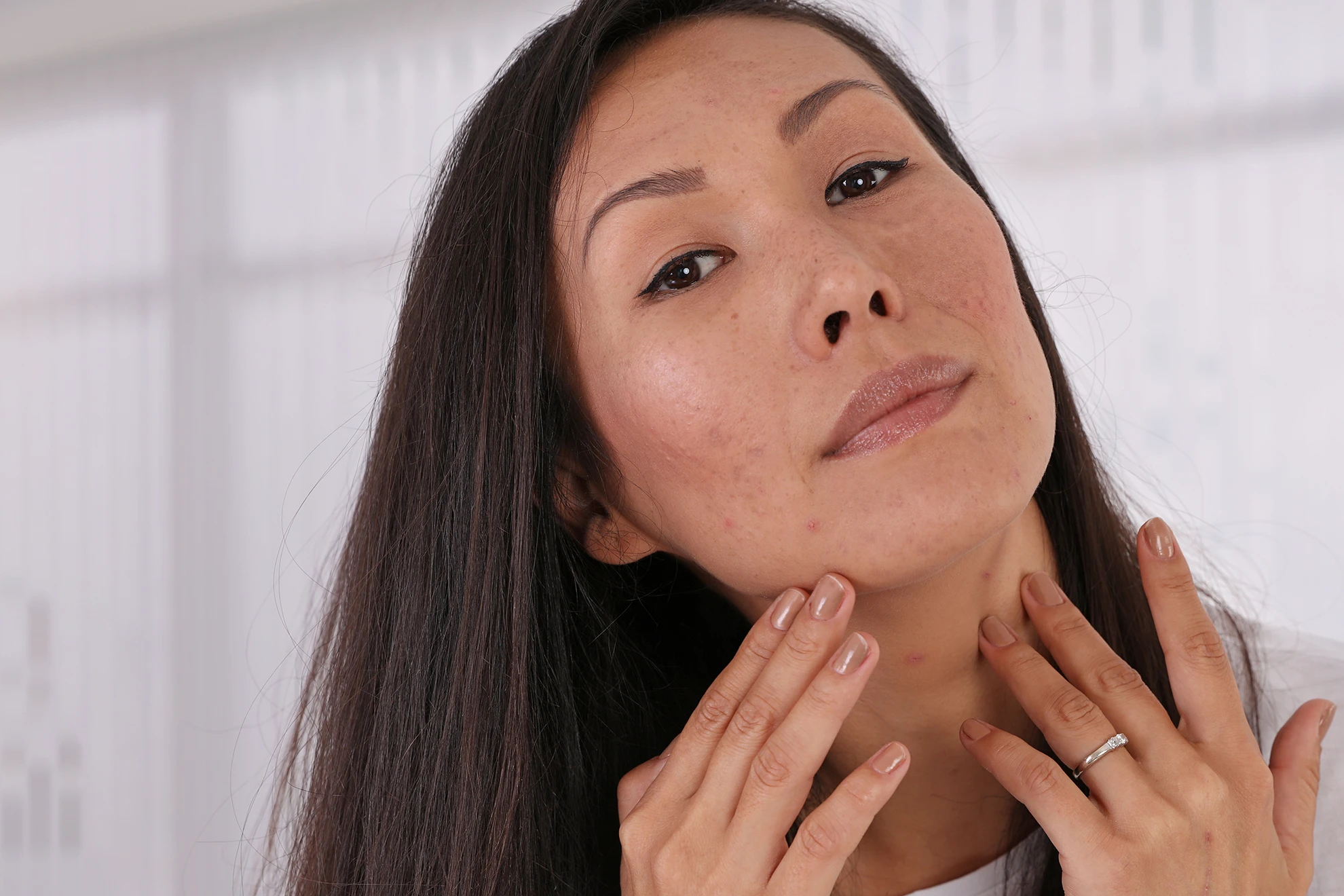
Subcision is a dermatologic procedure used primarily to treat depressed acne scars, particularly rolling scars, which appear as shallow depressions in the skin.
These scars form when fibrous bands develop beneath the skin during the healing process after acne inflammation. These bands tether the scar downward, preventing the skin from returning to a smooth surface.
Subcision works by inserting a small needle or specialized cannula under the skin to gently release these fibrous bands.
Once the scar tissue is released, the skin can lift upward and appear smoother.
Subcision also stimulates the body’s natural healing response, which triggers new collagen formation in the treated area.
Many dermatologists consider subcision one of the most effective treatments for rolling acne scars, particularly when used as part of a combination therapy approach.
When is the best time to treat acne scars?
Acne scars can be treated once active acne inflammation is controlled. Treating scars too early while acne is still active may lead to new scarring.
Dermatologists typically recommend evaluating acne scars when:
• acne breakouts are well controlled
• inflammation has subsided
• the skin barrier is healthy enough for treatment
The goal of treatment is not just cosmetic improvement; it is structural skin repair. By stimulating collagen regeneration and releasing scar tissue, subcision helps restore smoother skin architecture.
Acne Scar Treatment Statistics (2026)
Acne scarring is one of the most common long-term skin conditions worldwide, affecting millions of people and often impacting confidence and quality of life.
• Up to 95% of people with moderate to severe acne develop some degree of scarring.
(Journal of Clinical and Aesthetic Dermatology)
• Studies estimate that approximately 20% of acne sufferers develop permanent scars.
(Dermatologic Surgery Journal)
• Research shows that rolling scars account for nearly 60–70% of atrophic acne scars, making them one of the most common scar types treated with subcision.
• Combination dermatologic treatments can improve acne scars by 50–80% in many patients, depending on scar type and treatment plan.
(Journal of Cosmetic Dermatology)
• Studies suggest that subcision combined with other treatments such as microneedling or laser therapy produces better outcomes than single treatments alone.
• Psychological studies show that over 70% of individuals with visible acne scarring report reduced self-confidence or social discomfort.
(British Journal of Dermatology)
Combination Treatments That Enhance Subcision Results
The most exciting advances in acne scar therapy involve combining subcision with other treatments that improve skin texture, stimulate collagen, and accelerate healing.
Clinical recommendations from the Journal of Cosmetic and Laser Therapy support combining subcision with microneedling, laser therapy, and other modalities to improve outcomes.
Subcision + Microneedling
Microneedling stimulates collagen production through tiny micro-injuries in the skin. When used after subcision, microneedling can improve:
• acne scars
• enlarged pores
• skin texture
Subcision + RF Microneedling
Radiofrequency microneedling delivers heat energy into deeper skin layers while stimulating collagen. This combination can improve:
• skin tightening
• scar depth
• overall skin quality
Subcision + Laser Resurfacing
Fractional laser treatments help resurface damaged skin while stimulating collagen production.
Laser therapy can improve:
• boxcar scars
• uneven skin texture
• pigmentation
Subcision + Collagen Stimulators
Injectables such as Sculptra stimulate gradual collagen production.
These treatments can restore volume beneath depressed scars.
Subcision + Chemical Peels
Medical chemical peels remove damaged surface skin and improve pigmentation caused by acne.
Combining these treatments allows physicians to address both deep structural scarring and surface skin texture, producing more comprehensive results.
Regenerative Aesthetics and New Technologies in Acne Scar Treatment
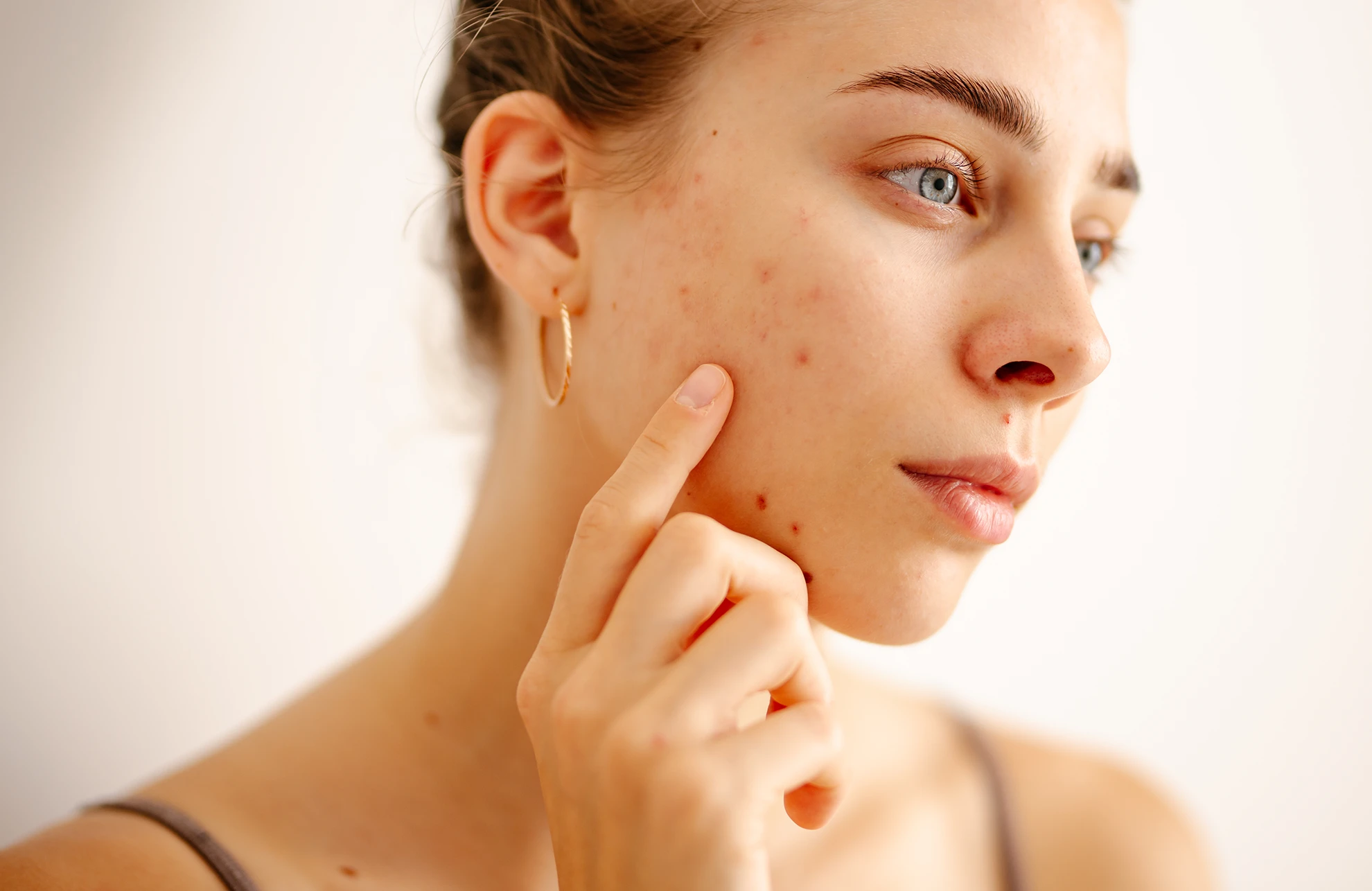
One of the most exciting areas in dermatology is regenerative aesthetics, which focuses on activating the body’s natural healing mechanisms.
Subcision is now frequently combined with regenerative therapies that support cellular repair.
Exosomes
Exosomes are tiny signaling particles released by stem cells that contain proteins, lipids, and RNA molecules.
When applied during procedures such as microneedling or laser resurfacing, exosomes may help:
• accelerate healing
• reduce inflammation
• stimulate collagen production
Peptide Therapy
Peptides act as biological messengers that signal skin cells to repair and regenerate tissue. These treatments may strengthen the skin barrier and improve overall skin resilience.
Stem Cell–Derived Growth Factors
Growth factors derived from stem cells may help stimulate tissue regeneration and collagen production. These therapies are still evolving but show promising results in regenerative dermatology.
Advanced Energy Technologies
Devices such as radiofrequency systems and next-generation energy platforms like XERF can deliver controlled heat energy into deeper skin layers, stimulating collagen remodeling and skin tightening.
These technologies can complement subcision by improving skin firmness and overall texture.
Skin Tone, Psychological Impact, and the Future of Acne Scar Treatment
Acne scars affect people of every skin tone, but treatment strategies must be carefully tailored.
Patients with darker skin tones may be more prone to post-inflammatory hyperpigmentation, which can occur after aggressive treatments.
Subcision and microneedling are often preferred options for these patients because they cause minimal surface damage while stimulating collagen production beneath the skin.
Dermatologists often combine treatments with pigment-correcting skincare ingredients such as:
• azelaic acid
• niacinamide
• vitamin C
Personalized treatment plans are essential because skin biology varies among individuals.
The Psychological Impact of Acne Scars
Acne scars can have a profound emotional impact. Studies show that individuals with severe acne scarring often experience:
• reduced self-confidence
• social anxiety
• emotional distress
For many patients, improving acne scars is about more than aesthetics—it is about restoring confidence and self-esteem.
A Holistic Approach to Skin Health
Modern aesthetic medicine increasingly integrates treatments that support overall health and longevity.
Hormone balance plays a role in skin quality, especially during menopause when estrogen levels decline. Hormone replacement therapy may help support collagen production and skin hydration.
Some clinics also incorporate wellness technologies such as Emsculpt Neo, which improves muscle tone and metabolic health while enhancing body confidence.
Together, these treatments reflect a broader shift toward holistic regenerative medicine, where skin health is connected to overall wellness and vitality.
Key Takeaway
Subcision has become one of the most effective treatments for depressed acne scars because it addresses the root cause of the scar—fibrous bands beneath the skin.
When combined with modern regenerative therapies such as microneedling, exosomes, collagen stimulators, and advanced energy-based devices, subcision can significantly improve skin texture and appearance.
The future of acne scar treatment is not just about resurfacing the skin. It is about activating the body’s natural healing processes to restore healthier, stronger skin from within.
For many patients, this means not only smoother skin, but also renewed confidence and a greater sense of wellbeing.
RenewMD is a leader in regenerative aesthetics and combination treatments, specializing in treating the full spectrum of skin tones and optimizing the underlying biology for improved outcomes.
Frequently Answered Questions About Subcision
What is subcision for acne scars?
Subcision is a dermatologic procedure that treats depressed acne scars by inserting a needle beneath the skin to release fibrous scar tissue that pulls the scar downward.
Which acne scars respond best to subcision?
Subcision works best for rolling acne scars and other depressed scars that are caused by fibrous bands beneath the skin.
Is subcision better than laser treatment for acne scars?
Subcision and laser treatments address different aspects of acne scarring. Subcision releases deep scar tissue while lasers improve surface texture. Dermatologists often combine both treatments for optimal results.
Can subcision be combined with microneedling?
Yes. Many dermatologists combine subcision with microneedling or RF microneedling to stimulate collagen production and improve skin texture after the scar bands are released.
Is subcision safe for darker skin tones?
Subcision is often considered safe for darker skin tones because it treats scars beneath the skin rather than causing surface damage that may trigger hyperpigmentation.
What is subcision and how does it work for acne scars?
Subcision is a minimally invasive procedure that uses a needle or cannula to break fibrous bands beneath the skin that pull acne scars downward. By releasing these bands, the skin lifts and collagen production is stimulated, improving the appearance of depressed scars.
Which types of acne scars respond best to subcision?
Subcision is most effective for rolling acne scars and other depressed scars caused by fibrous tethering beneath the skin. It is less effective for ice-pick scars or very deep boxcar scars without combination treatments.
Is subcision a permanent solution for acne scars?
Subcision can produce long-lasting improvement because it treats the structural cause of scarring. However, optimal results often require combination treatments such as microneedling, laser therapy, or collagen stimulators.
How many subcision treatments are needed?
Most patients require 1–3 sessions depending on the severity of scarring. Treatments are usually spaced several weeks apart to allow for healing and collagen remodeling.
What is the downtime after subcision?
Downtime is typically mild, with swelling, bruising, and tenderness lasting 3–7 days. Most patients can return to normal activities within a few days.
Is subcision painful?
Subcision is usually performed under local anesthesia, making the procedure well tolerated. Patients may feel mild pressure during treatment and some soreness afterward.
Can subcision be combined with other treatments?
Yes, subcision is most effective when combined with treatments such as microneedling, RF microneedling, laser resurfacing, or collagen stimulators to enhance overall skin improvement.
How long does it take to see results from subcision?
Some improvement may be visible within a few weeks, but the best results typically develop over 2–3 months as new collagen forms.
Is subcision safe for darker skin tones?
Yes, subcision is often considered safe for darker skin tones because it works beneath the skin rather than damaging the surface, reducing the risk of post-inflammatory hyperpigmentation.
What are the risks or side effects of subcision?
Common side effects include bruising, swelling, and temporary discomfort. Rare risks include infection or uneven results, especially if not performed by an experienced provider.
Is subcision better than laser treatment for acne scars?
Subcision and laser treatments target different aspects of scarring. Subcision treats deep structural tethering, while lasers improve surface texture. Combining both often produces the best results.
Can subcision help with severe acne scars?
Yes, subcision can significantly improve moderate to severe acne scars, particularly when combined with other advanced treatments.
Who is a good candidate for subcision?
Ideal candidates are individuals with depressed acne scars, stable skin (no active acne), and realistic expectations about gradual improvement.
Does subcision stimulate collagen production?
Yes, subcision triggers the body’s natural healing response, leading to increased collagen production and improved skin structure over time.
What is the future of subcision in acne scar treatment?
Subcision is increasingly being combined with regenerative therapies such as exosomes, peptides, and advanced energy devices to enhance healing and long-term results.
Research References
- American Academy of Dermatology – Acne Scar Treatment Guidelines
- Journal of Cosmetic Dermatology – Subcision for Acne Scar Treatment
- Dermatologic Surgery – Combination Treatments for Acne Scars
- International Journal of Molecular Sciences – Exosomes in Skin Regeneration
- Stem Cell Research & Therapy – Stem Cell Signaling and Tissue Repair
Disclaimer: This content is for educational purposes only and does not constitute medical advice. Consult with a licensed professional before starting any new skin treatment.