Can You Stop Acne Breakouts? (2026 Guide to Acne Prevention, Skin Health & Regenerative Treatments)
Medically Reviewed by: Dr. Simran Sethi – Regenerative Medicine & Dermatology Specialist
Last Updated: June 23, 2026
Acne is one of the most common skin conditions in the world. In fact, dermatologists estimate that over 85% of people experience acne at some point in their lives, and millions continue to struggle with breakouts well into adulthood. But the question many people ask is simple: Can acne breakouts be stopped?
The short answer is yes — but not with a single product or quick fix. Modern dermatology now understands that acne is a complex condition involving hormones, inflammation, bacteria, skin barrier health, and cellular regeneration. The most successful treatment strategies combine medical dermatology, regenerative aesthetics, targeted skincare, and lifestyle optimization.
Today’s advanced treatments do more than simply dry out pimples. They focus on resetting the biology of the skin, reducing inflammation, balancing hormones, repairing the skin barrier, and stimulating healthy cellular regeneration. When these elements are addressed together, breakouts can often be dramatically reduced or even stopped.
According to the American Osteopathic College of Dermatology, acne is a multifactorial condition involving oil production, inflammation, bacteria, and hormonal activity.
The future of stopping acne breakouts is through combination treatments that reduce oil production, unclog pores, control bacteria, and repair the skin barrier. Dermatologists often combine topical medications, chemical peels, microneedling, hormone therapy, and regenerative skincare for long-term acne control.
Let’s explore how modern dermatology approaches acne prevention and how new technologies from peptides and regenerative medicine to hormone therapy and advanced skin resurfacing are transforming the future of skin health.
Understanding Why Acne Breakouts Happen
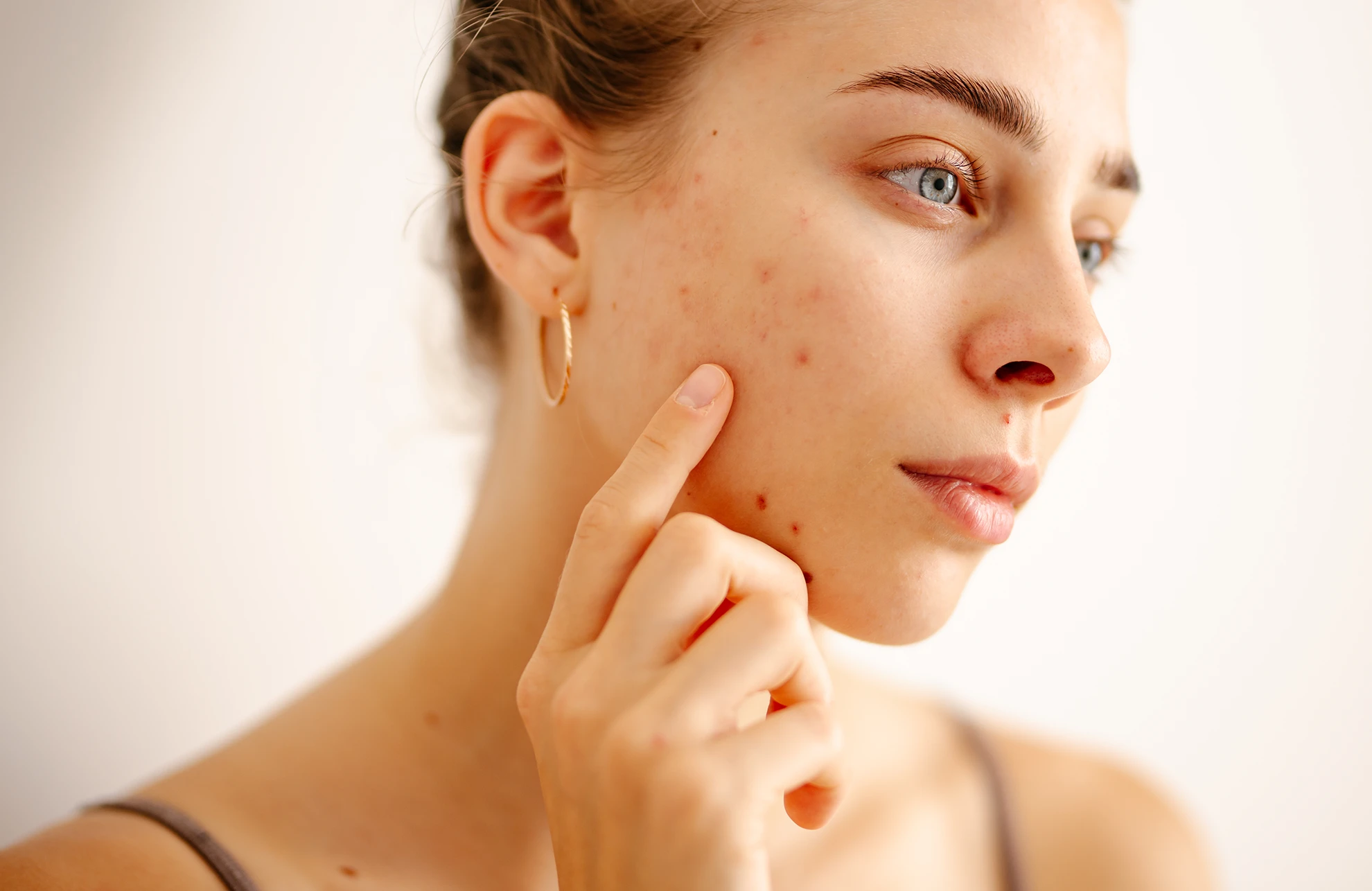
To stop acne breakouts, it’s important to understand why they occur in the first place.
Acne begins deep inside the pores. Each pore contains a hair follicle and an oil gland that produces sebum, a natural oil that protects and hydrates the skin. Problems arise when several factors combine:
• Excess oil production
• Dead skin cell buildup
• Bacterial growth (especially Cutibacterium acnes)
• Inflammation
• Hormonal fluctuations
These factors can clog pores and trigger inflammatory breakouts. Research supported by the European Dermatology Forum highlights that inflammation and immune signaling play a central role in acne development.
Hormones play a particularly powerful role. During puberty, menstrual cycles, pregnancy, and menopause, hormonal changes can increase oil production and stimulate acne. Stress can also worsen breakouts by increasing cortisol, a hormone that promotes inflammation.
Clinical insights from the Hormone Health Network show that hormonal imbalances can increase sebum production and trigger inflammatory breakouts.
Modern research shows that acne is not simply a surface problem. It is a whole-body condition involving immune signaling, skin barrier integrity, and cellular communication.
In fact, studies show that people with acne often have a weakened skin barrier, which makes the skin more sensitive and prone to inflammation. This is why many dermatologists now emphasize skin barrier repair as part of acne prevention.
Research highlighted by the International Society for Bioengineering and the Skin emphasizes the importance of barrier function in maintaining skin health and preventing inflammatory conditions.
The complexity of acne also explains why one treatment alone rarely works. Instead, dermatologists use combination therapy, which may include topical treatments, medical procedures, hormonal balancing, and regenerative skincare.
When the underlying causes are addressed together, the skin can shift from a cycle of inflammation and breakouts to a state of balance, repair, and healthy regeneration.
Modern Combination Treatments to Stop Acne Breakouts
Dermatology has entered an era of precision combination treatments. Instead of relying on a single acne medication, physicians now combine therapies that target different causes of breakouts. These may include:
Medical and Dermatologic Treatments
Topical retinoids remain one of the most effective acne treatments because they help regulate skin cell turnover and prevent clogged pores.
Other common therapies include:
• benzoyl peroxide to reduce acne bacteria
• salicylic acid to exfoliate pores
• azelaic acid to reduce inflammation and pigmentation
• antibiotics when necessary
But modern dermatology often adds procedural treatments that help reset the skin.
Chemical Peels
Medical chemical peels remove dead skin cells and reduce clogged pores. They can also help reduce pigmentation left behind by breakouts.
Microneedling
Microneedling stimulates collagen production and can improve acne scars while supporting healthy skin regeneration.
Laser and Energy-Based Treatments
Laser therapies and light-based treatments can reduce acne-causing bacteria and inflammation.
Advanced Skin Technologies
Newer devices such as XERF radiofrequency systems and similar technologies can stimulate collagen production while improving skin texture and tone.
These treatments are particularly useful when acne has led to early skin aging or scarring.
The key concept is synergy. When treatments address oil production, inflammation, and skin renewal simultaneously, the skin becomes more resistant to breakouts over time.
Regenerative Aesthetics: Stem Cells, Exosomes, and Peptides
One of the most exciting developments in skin care is the rise of regenerative aesthetics.
Emerging work supported by the Tissue Engineering and Regenerative Medicine International Society explores how regenerative signals can improve tissue repair and reduce inflammation.
These therapies focus on improving the skin’s natural healing ability and cellular communication.
Exosomes
Exosomes are tiny signaling particles released by stem cells. They contain proteins and growth factors that help regulate cell repair.
When applied during treatments like microneedling or laser therapy, exosomes may help:
• reduce inflammation
• accelerate healing
• stimulate collagen production
• improve overall skin quality
Peptide Therapies
Peptides are small protein fragments that send signals to skin cells. Certain peptides stimulate collagen production and strengthen the skin barrier.
A healthy barrier makes the skin less reactive and less prone to breakouts.
Stem-Cell Derived Growth Factors
Stem-cell derived therapies can support tissue regeneration and help restore skin balance after inflammation.
Although these treatments are still evolving, early research suggests they may play a role in improving skin resilience and long-term skin health.
Hormones and Skin Health
Hormonal imbalances are a major cause of adult acne, particularly in women.
Hormone replacement therapy (HRT) may sometimes help restore hormonal balance and support healthier skin, particularly during menopause. Balanced hormones support:
• collagen production
• skin hydration
• reduced inflammation
When combined with regenerative therapies and medical dermatology, these treatments create a holistic approach to skin health and longevity.
Skin Tone, Confidence, and Long-Term Skin Health
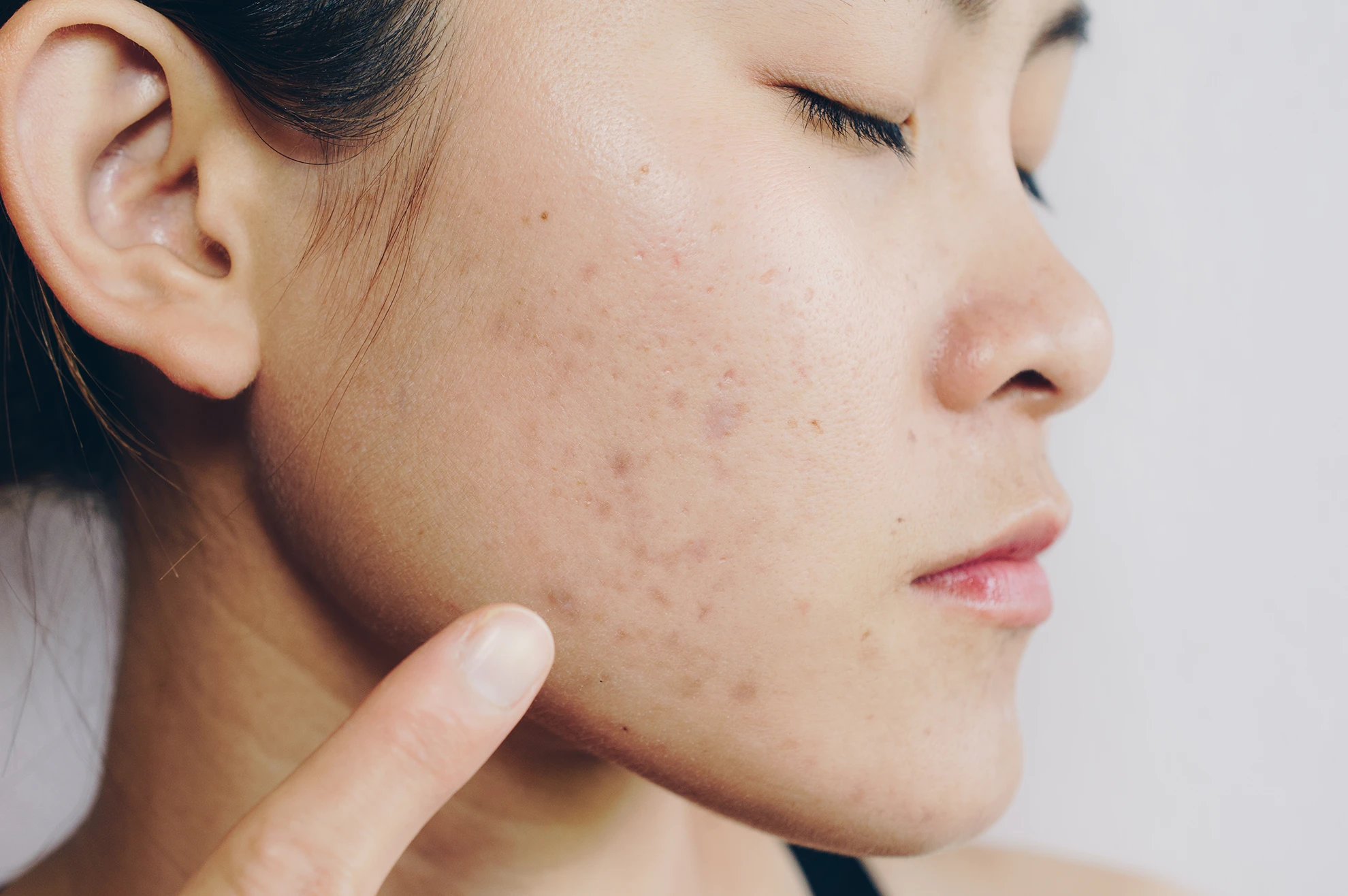
Acne affects people of every skin tone, but the consequences can vary depending on skin type. The Asian Dermatological Association highlights the importance of customized treatment approaches for diverse skin types.
People with darker skin tones are more prone to post-inflammatory hyperpigmentation, which can leave dark spots long after breakouts heal. For this reason, dermatologists often recommend treatments that minimize inflammation while improving skin tone.
These may include:
• gentle chemical peels
• microneedling
• pigment-correcting skincare
• azelaic acid and niacinamide
Personalized treatment plans are essential because skin biology varies across individuals. Beyond the physical effects, acne can have a powerful psychological impact. Studies show that people with persistent acne often experience:
• reduced self-confidence
• social anxiety
• emotional distress
For many patients, improving acne is not simply about appearance; it is about confidence, wellbeing, and quality of life.
Modern dermatology increasingly connects skin health with broader wellness goals. Treatments that support cellular regeneration, hormone balance, and overall health can improve both skin and overall vitality.
Some advanced clinics even integrate aesthetic treatments with broader wellness technologies such as muscle stimulation therapies like Emsculpt Neo, which support metabolism, body composition, and overall health.
When skin care becomes part of a broader wellness strategy, the goal shifts from simply treating acne to creating healthier, stronger, more resilient skin over the long term.
The Big Takeaway
Stopping acne breakouts is rarely about finding a single miracle product. It requires understanding the complex biology of the skin.
The most effective modern strategies combine:
• medical dermatology
• regenerative aesthetics
• advanced skincare
• hormone balance
• healthy lifestyle habits
When these elements work together, the skin can shift from a cycle of inflammation to a state of balance, regeneration, and long-term skin health.
Clear skin is not just about looking better; it’s about feeling confident, healthy, and energized in your own skin.
And with today’s advances in dermatology and regenerative medicine, achieving that goal is more possible than ever before.
RenewMD is a leader in regenerative aesthetics, treating acne, acne scars, across the entire spectrum of skin tones.
Frequently Asked Questions about Acne Breakouts
Can acne breakouts be permanently stopped?
Acne breakouts can often be significantly reduced or controlled with a combination of treatments that target oil production, inflammation, bacteria, and skin barrier health. Dermatologists typically use personalized treatment plans that may include topical medications, hormonal therapy, and advanced skin treatments.
What causes frequent acne breakouts?
Frequent acne breakouts are usually caused by excess oil production, clogged pores, bacterial growth, inflammation, and hormonal fluctuations. Stress, diet, and skin barrier damage can also contribute to persistent acne.
What treatments stop acne breakouts the fastest?
Combination treatments such as topical retinoids, benzoyl peroxide, chemical peels, and light or laser therapy can quickly reduce active breakouts. Many dermatologists also recommend skin barrier repair and anti-inflammatory skincare to prevent future acne.
Are regenerative treatments like exosomes useful for acne?
Regenerative therapies such as exosomes, peptides, and stem-cell derived growth factors are emerging treatments that may help reduce inflammation and support skin healing when used alongside traditional acne treatments.
Which acne treatments are best for darker skin tones?
Microneedling, gentle chemical peels, and targeted skincare ingredients such as azelaic acid and niacinamide are commonly recommended for darker skin tones because they help treat acne while reducing the risk of hyperpigmentation.
Can acne breakouts be completely cured or just controlled?
Acne is typically a chronic condition that can be effectively controlled rather than permanently cured. With the right combination of treatments—targeting oil production, inflammation, bacteria, and skin barrier health—many people can achieve long-term clear skin.
What is the root cause of acne breakouts?
Acne is caused by a combination of excess oil production, clogged pores, bacterial overgrowth, inflammation, and hormonal fluctuations. It is a multi-factor condition that requires a multi-layered treatment approach.
Why does acne keep coming back even after treatment?
Acne often returns when underlying causes such as hormones, inflammation, or skin barrier dysfunction are not fully addressed. Surface treatments alone may not correct the deeper biological triggers.
How long does it take to stop acne breakouts?
Most acne treatments take 6–12 weeks to show noticeable improvement, with optimal long-term results achieved over several months using consistent, combination therapy.
What is the best skincare routine to prevent acne?
An effective routine includes gentle cleansing, targeted treatments (like retinoids or salicylic acid), hydration, and daily SPF. Supporting the skin barrier is just as important as treating breakouts.
Do peptides and exosomes actually help acne?
Emerging research suggests peptides and exosomes may help reduce inflammation, improve healing, and support skin regeneration. They are typically used alongside traditional treatments rather than alone.
Can hormones cause adult acne?
Yes, hormonal fluctuations are one of the most common causes of adult acne, particularly in women. Changes during menstrual cycles, menopause, or stress can increase oil production and trigger breakouts.
What foods trigger acne breakouts?
High-glycemic foods, sugar, and dairy may contribute to acne in some individuals by increasing insulin levels and inflammation. Diet plays a supportive but important role in acne management.
Is acne linked to gut health or inflammation?
Yes, growing research suggests acne is مرتبط with systemic inflammation and gut health. An imbalanced microbiome may contribute to inflammatory skin conditions.
What treatments work fastest for active breakouts?
Fast-acting treatments include benzoyl peroxide, salicylic acid, and certain prescription medications. Combination therapies often deliver quicker and more effective results.
Are laser treatments effective for acne?
Laser and light-based therapies can reduce acne-causing bacteria and inflammation. They are often used in combination with medical treatments for better outcomes.
What is the safest acne treatment for sensitive skin?
Gentle treatments such as azelaic acid, niacinamide, and barrier-repair moisturizers are often recommended for sensitive or reactive skin types.
Can stress really cause acne breakouts?
Yes, stress increases cortisol levels, which can trigger oil production and inflammation—both key contributors to acne.
Why is skin barrier repair important for acne?
A damaged skin barrier increases sensitivity, inflammation, and breakouts. Repairing the barrier helps stabilize the skin and improve treatment outcomes.
What is the future of acne treatment?
The future of acne treatment lies in personalized, combination therapies that include regenerative medicine, hormone optimization, and advanced skin technologies.
Research References
- American Academy of Dermatology – Acne Overview
- Journal of Clinical and Aesthetic Dermatology – Acne Pathogenesis
- Dermatologic Surgery – Combination Treatments for Acne
- Journal of Cosmetic Dermatology – Microneedling and Acne Treatment
- International Journal of Molecular Sciences – Exosomes in Skin Regeneration
- Dermato-Endocrinology – Hormones and Skin Aging
Disclaimer: This content is for educational purposes only and does not constitute medical advice. Consult with a licensed professional before starting any new skin treatment.