The New Acne Scar Treatments (2026): Regenerative Therapies, Laser Resurfacing & Combination Treatment Guide
Medically Reviewed by: Dr. Simran Sethi – Regenerative Medicine & Dermatology Specialist
Last Updated: June 23, 2026
Regenerative Aesthetics, Combination Therapies, and the Science of Skin Renewal
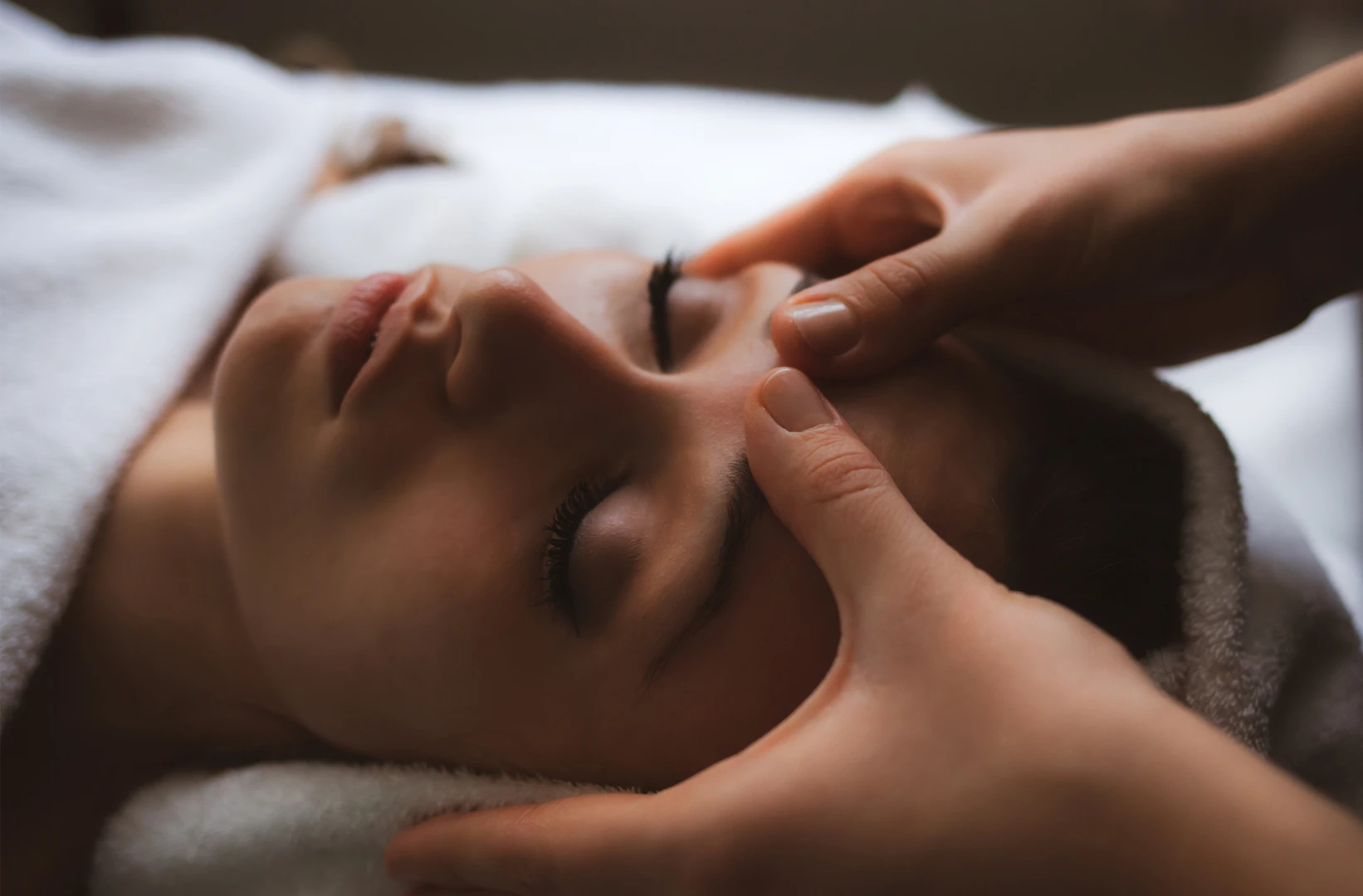
Acne scarring affects millions of people worldwide, yet for many years treatment options were limited and often frustrating. Today, however, dermatology is entering a new era. In 2026, advances in regenerative medicine, laser technology, stem-cell signaling, peptides, and combination therapies are transforming how physicians treat acne scars and rejuvenate aging skin.
The most effective acne scar treatments in 2026 include fractional laser resurfacing, radiofrequency microneedling, subcision, TCA CROSS, collagen stimulators, and regenerative therapies such as exosomes and peptides. Dermatologists increasingly combine multiple treatments to rebuild collagen, release scar tissue, and improve overall skin texture.
According to the European Academy of Dermatology and Venereology, advances in laser technology, biologics, and combination therapies are significantly improving outcomes for patients with acne scarring.
Instead of simply “resurfacing” the skin, modern treatments aim to rebuild the skin from within. This new approach blends aesthetic medicine with regenerative biology, focusing on restoring collagen, improving cellular communication, and supporting long-term skin health.
The result is a powerful shift in skin care philosophy: acne scar treatment is no longer just about appearance. It is about restoring skin structure, improving confidence, and supporting overall wellness and longevity.
Why Acne Scars Are So Difficult to Treat
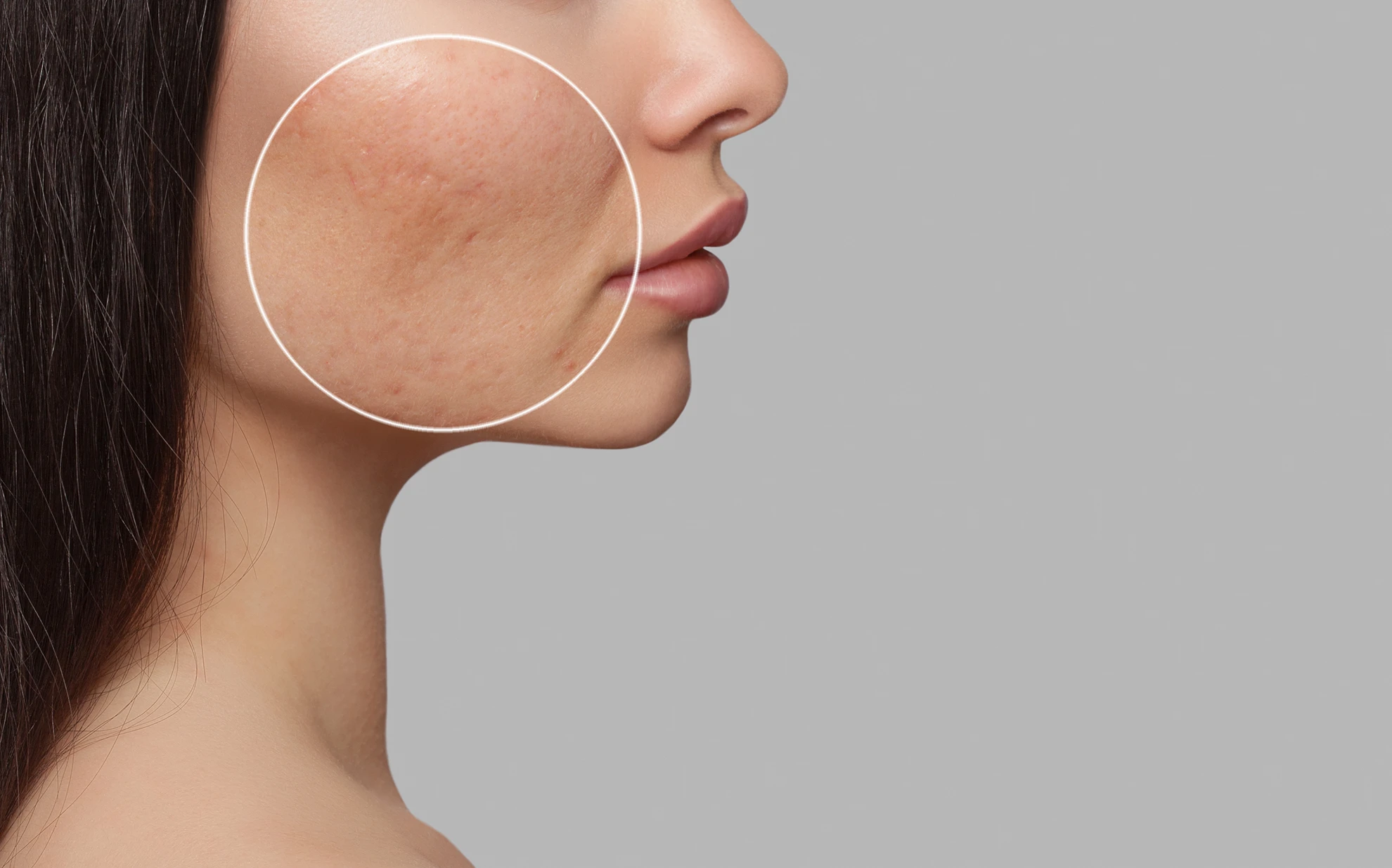
Acne scars form when inflammation damages the deeper layers of the skin. During healing, the body produces collagen to repair the injury. But sometimes this repair process is uneven or incomplete, leaving permanent structural changes in the skin.
There are three primary types of acne scars:
Atrophic scars include depressed scars such as icepick, rolling, or boxcar scars
Hypertrophic scars are thick raised scars
Post-inflammatory hyperpigmentation are dark marks left after acne heals
The reason acne scars are difficult to treat is because they are structural problems, not just surface imperfections.
The Society for Investigative Dermatology highlights that inflammatory signaling and impaired collagen remodeling are key drivers of long-term scarring.
Imagine your skin like a mattress supported by springs. If several springs break, the mattress dips inward. Simply sanding the surface of the mattress will not fix the dip—you must repair the springs underneath.
Acne scars behave in the same way. Many scars are tethered by fibrous bands beneath the skin that pull the surface downward. Others occur because the body did not produce enough collagen during healing.
For this reason, the most successful treatments must target multiple layers of the skin simultaneously.
Modern acne scar treatments aim to:
• release scar tissue beneath the skin
• stimulate collagen production
• regenerate healthy skin cells
• improve skin barrier function
• restore smooth texture and tone
Another factor that complicates treatment is skin tone diversity. People with darker skin tones are more prone to pigmentation changes and must be treated carefully to avoid worsening discoloration.
Hormones, inflammation, nutrition, and even stress levels also affect skin healing. This is why acne scar treatment increasingly intersects with broader health topics such as hormone balance, cellular regeneration, and longevity medicine.
The most successful dermatology practices today do not rely on one treatment. Instead, they design personalized regenerative treatment plans that combine multiple therapies.
The Power of Combination Acne Scar Treatments
One of the biggest breakthroughs in dermatology is the realization that acne scars respond best to combination therapy. Rather than performing a single procedure, physicians combine multiple treatments that target different aspects of the scar formation process.
Clinical insights from the Aesthetic Multispecialty Society emphasize the importance of multi-modal treatment strategies for optimal scar release and collagen stimulation.
These combination treatments often include several of the following techniques.
Subcision
Subcision is a minimally invasive procedure where a small needle releases fibrous bands beneath depressed scars. By cutting these bands, the scar lifts upward and the skin surface becomes smoother.
Subcision is often considered one of the most effective treatments for rolling acne scars.
Microneedling and Radiofrequency Microneedling
Microneedling uses tiny needles to create controlled micro-injuries in the skin. This stimulates the body’s natural healing response and boosts collagen production.
Advanced devices combine microneedling with radiofrequency energy to deliver heat into deeper skin layers. This stimulates collagen remodeling and skin tightening simultaneously.
Fractional Laser Resurfacing
Fractional lasers create microscopic columns of controlled damage that trigger new collagen production while leaving surrounding tissue intact.
Common systems include:
• CO2 fractional lasers
• erbium lasers
• hybrid fractional lasers
These lasers help smooth scars, improve skin tone, and stimulate long-term collagen remodeling.
Chemical Peels
Medical chemical peels remove damaged surface layers of skin while stimulating regeneration.
Peels can improve:
• pigmentation
• uneven texture
• superficial acne scars
Collagen Stimulators
Injectable treatments such as Sculptra stimulate the body to produce new collagen gradually over several months.
Unlike fillers that simply add volume, collagen stimulators rebuild the skin’s underlying structure.
Skin Tightening and Body Technologies
Devices such as radiofrequency skin tightening and Emsculpt Neo can improve skin tone and muscle structure, contributing to a more youthful facial appearance.
When used together, these treatments create synergistic results.
Studies suggest combination therapy can improve acne scars by 60–80 percent, significantly higher than single-treatment approaches.
This is significant because Acne scarring is one of the most common dermatologic concerns worldwide, affecting millions of people across all skin types.
• Up to 95% of people with moderate to severe acne develop some degree of scarring.
(Journal of Clinical and Aesthetic Dermatology)
• More than 50 million Americans experience acne each year, making it the most common skin condition in the United States.
(American Academy of Dermatology)
• Approximately 20% of acne sufferers develop permanent scars.
(Dermatologic Surgery Journal)
• Combination dermatologic treatments can improve acne scars by 50–80% in many patients, depending on scar type and treatment plan.
(Journal of Cosmetic Dermatology)
• Studies show acne scars can significantly impact mental health, with over 70% of patients reporting reduced self-confidence due to facial scarring.
(British Journal of Dermatology)
Because acne scars involve structural changes beneath the skin, dermatologists now increasingly rely on combination treatments that stimulate collagen, release scar tissue, and regenerate healthier skin rather than using a single procedure.
Regenerative Aesthetics — Stem Cells, Exosomes, and Peptides
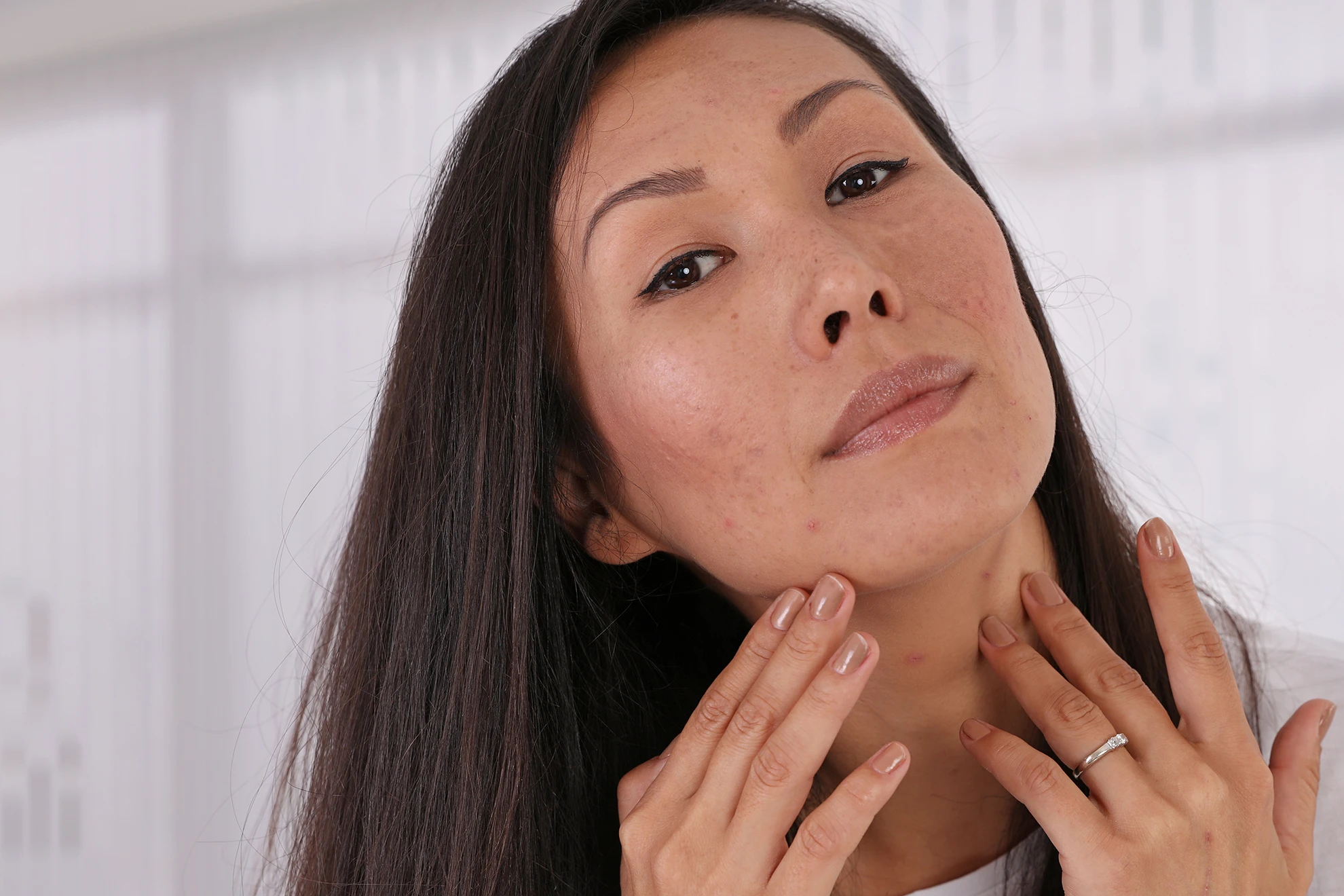
The most exciting advances in acne scar treatment come from regenerative medicine. Rather than relying solely on physical treatments like lasers, physicians are now using biological signals to encourage the skin to heal itself.
These signals include exosomes, stem-cell derived growth factors, and peptides.
Exosomes
Exosomes are microscopic communication particles released by stem cells.
They carry important biological signals such as:
• growth factors
• proteins
• RNA molecules
When applied during treatments like microneedling or laser resurfacing, exosomes can dramatically accelerate healing.
Research suggests exosomes may:
• stimulate collagen production
• reduce inflammation
• improve skin texture
• speed tissue regeneration
Because they enhance healing, exosomes can also reduce downtime after aesthetic procedures.
Stem-Cell Derived Growth Factors
Stem-cell derived therapies contain biologically active molecules that signal skin cells to regenerate.
These growth factors encourage fibroblasts—the cells responsible for collagen production—to become more active.
Peptide Therapy
Peptides are short chains of amino acids that act like biological messengers inside the skin.
Certain peptides stimulate:
• collagen synthesis
• elastin production
• skin barrier repair
When combined with treatments like microneedling, peptides can significantly enhance collagen remodeling.
Regenerative Skin Care
Modern regenerative skincare products include powerful ingredients such as:
• growth factors
• antioxidants
• ceramides
• retinoids
• vitamin C
These ingredients support long-term skin repair between procedures.
Hormones and Skin Health
Hormonal balance plays an important role in skin regeneration.
For example, estrogen stimulates collagen production. During menopause, estrogen levels decline, and women may lose up to 30 percent of their collagen within five years.
Hormone replacement therapy (HRT) can sometimes help support skin health as part of a comprehensive anti-aging strategy.
Regenerative aesthetics therefore connect dermatology with longevity medicine and cellular health.
Skin Tone, Confidence, and the Psychology of Acne Scars
Acne scars affect far more than appearance.
For many people, they influence self-esteem, social confidence, and mental well-being.
Studies have shown individuals with severe acne scarring may experience psychological distress like those with chronic medical conditions.
This is why successful treatment can be life changing. Patients frequently report improvements in:
• self-confidence
• social interactions
• professional confidence
• overall happiness
Another important factor in acne scar treatment is skin tone diversity.
People with darker skin tones are more susceptible to pigmentation changes following aggressive procedures. Modern dermatology addresses this by using treatments that are safe for all skin types.
Preferred treatments for darker skin tones include:
• microneedling
• radiofrequency treatments
• gentle fractional lasers
• regenerative biologics
Topical treatments also help prevent pigmentation issues.
These include:
• azelaic acid
• tranexamic acid
• niacinamide
• vitamin C
Dermatology is increasingly moving toward personalized skin medicine, where treatment plans are tailored to each patient’s skin type, genetics, and health history.
The Future of Acne Scar Treatment
The future of acne scar therapy lies in combining regenerative medicine with advanced technology.
The most effective treatment strategies integrate:
• scar release techniques
• collagen stimulation
• regenerative biologics
• advanced laser technology
• hormone optimization
• medical-grade skincare
Together these approaches rebuild the skin from the inside out.
Instead of simply covering scars, modern dermatology focuses on restoring the skin’s natural regenerative ability.
As research continues, treatments will become even more personalized, safer for all skin tones, and more focused on long-term skin health.
The most important takeaway is simple:
Your skin has an incredible ability to heal and regenerate. With the right combination of modern treatments, even long-standing acne scars can improve dramatically.
And when skin improves, confidence often improves as well.
RenewMD Wellness are leaders in regenerative aesthetics, the treatment of acne, acne scars, hyperpigmentation across the entire skin tone spectrum.
Frequently Asked Questions
What are the newest acne scar treatments in 2026?
The newest acne scar treatments combine advanced dermatology procedures such as fractional laser resurfacing, radiofrequency microneedling, subcision, and collagen stimulators with regenerative therapies like exosomes, peptides, and stem-cell growth factors. Dermatologists now use combination treatment plans that rebuild collagen and improve skin structure rather than relying on a single procedure.
What treatment works best for acne scars?
The most effective acne scar treatment depends on the type of scar. Rolling scars respond well to subcision and fillers, boxcar scars often improve with fractional laser resurfacing, and ice-pick scars may require TCA CROSS or punch excision. Many dermatologists combine several treatments to achieve the best results.
Can acne scars be permanently removed?
Most acne scars cannot be completely erased, but modern dermatology treatments can significantly improve their appearance. Combination therapies that stimulate collagen production can reduce acne scars by 50–80% in many patients.
Are regenerative treatments like exosomes effective for acne scars?
Exosomes and growth factor therapies are emerging regenerative treatments that may enhance skin healing and collagen production after procedures like microneedling or laser resurfacing. While early results are promising, they are usually used as complementary therapies rather than standalone treatments.
Which acne scar treatments are safest for darker skin tones?
Microneedling, radiofrequency microneedling, and carefully selected fractional lasers are often preferred for darker skin tones because they carry a lower risk of post-inflammatory hyperpigmentation.
Research References
- Fabbrocini G. et al. Acne Scars: Pathogenesis and Treatment. Dermatology Research and Practice.
- Goodman GJ & Baron JA. Post-Acne Scarring – A Global Scarring Grading System. Dermatologic Surgery.
- Kim J. et al. Exosomes in Skin Regeneration. International Journal of Molecular Sciences.
- Gold MH. Combination Therapy in Acne Scar Management. Journal of Cosmetic Dermatology.
- Lee JH. Fractional Laser Resurfacing for Acne Scars. Dermatologic Surgery.
- Ganceviciene R. Skin Aging and Estrogen Effects. Dermato-Endocrinology.
- Zhang S. Stem Cell-Derived Exosomes for Skin Regeneration. Stem Cell Research & Therapy.
Disclaimer: This content is for educational purposes only and does not constitute medical advice. Consult with a licensed professional before starting any new skin treatment.