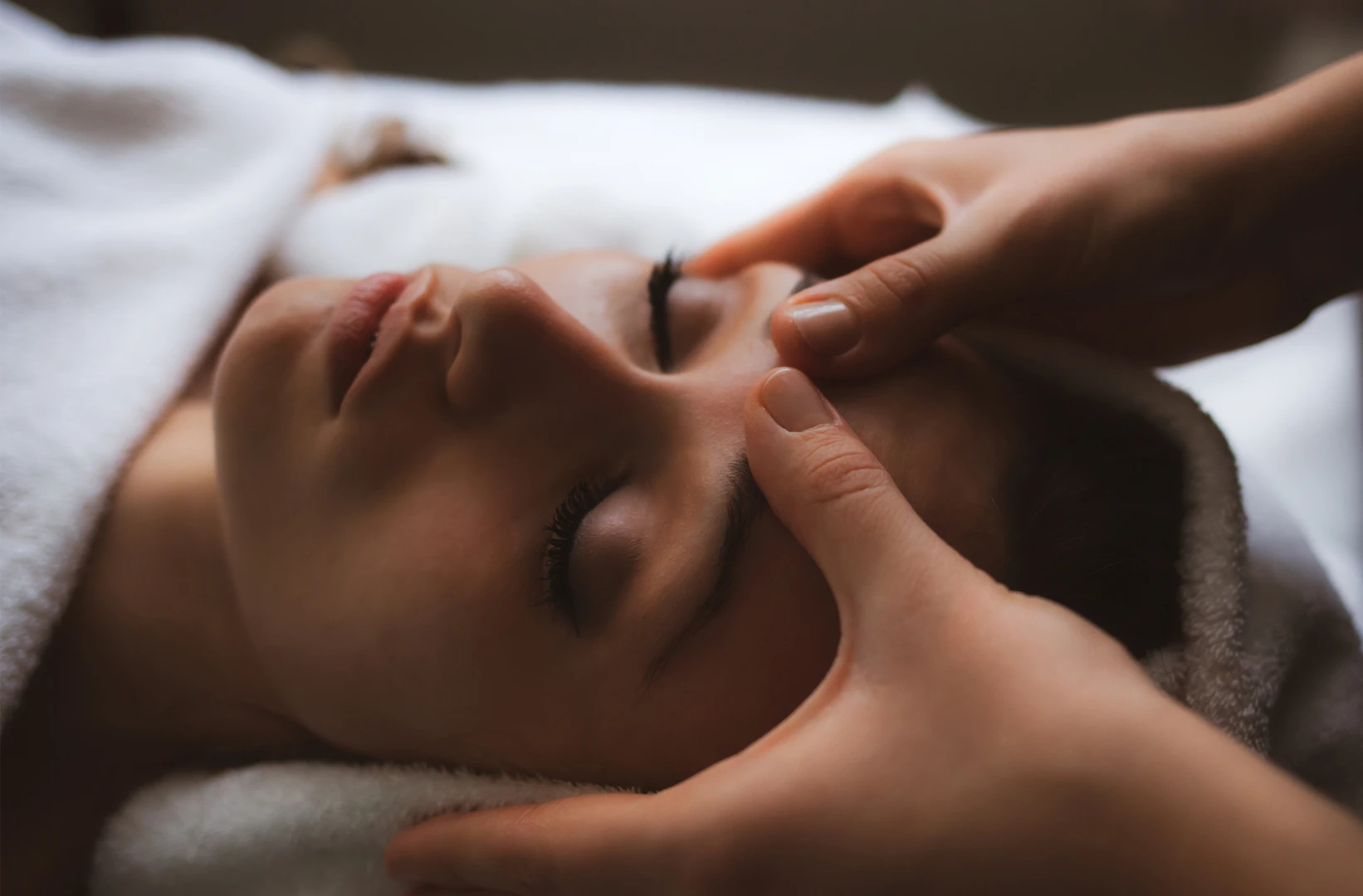
Non-Surgical Face Lift (2026): Regenerative Skin Tightening, Collagen Restoration & Facial Rejuvenation Guide
Medically Reviewed by: Dr. Simran Sethi – Regenerative Medicine & Dermatology Specialist
Last Updated: June 23, 2026
The Rise of the Non-Surgical Face Lift
For decades, the traditional surgical facelift was considered the gold standard for reversing visible facial aging. While surgery can still be appropriate for some patients, modern medical science is rapidly transforming how we approach facial rejuvenation.
A non-surgical face lift uses modern regenerative aesthetic treatments to tighten skin, stimulate collagen production, and improve facial structure without surgery. Treatments such as microneedling, radiofrequency skin tightening, collagen stimulators, and exosome therapies help restore skin elasticity and reduce visible signs of aging.
Today, many people are achieving remarkable improvements using non-surgical face lift treatments that stimulate the body’s own regenerative ability rather than simply pulling the skin tighter.
The shift toward regenerative aesthetics reflects a deeper understanding of how skin actually ages. Aging is not simply a problem of loose skin. Instead, it involves multiple biological processes happening simultaneously:
• gradual collagen loss
• declining skin elasticity
• reduced cellular repair
• changes in facial fat distribution
• muscle weakening
• chronic inflammation known as inflammaging
Collagen production begins declining as early as age 25, decreasing by about 1% per year. By the time most people reach their 40s and 50s, significant changes in skin structure and elasticity may occur.
Traditional treatments focus primarily on tightening the skin surface. However, modern regenerative medicine focuses on rebuilding the biological foundation of the skin. This is why the most advanced non-surgical face lift strategies often combine several therapies together, including:
• collagen-stimulating injectables such as Sculptra
• energy-based skin tightening technologies such as XERF radiofrequency
• microneedling to stimulate collagen production
• regenerative therapies using exosomes, peptides, and stem cell signaling factors
Instead of forcing the skin to appear tighter, these treatments help the skin become healthier and stronger from within. The result is often a more natural appearance, with improvements in:
• skin firmness
• facial contour
• skin texture
• overall skin glow
Importantly, non-surgical treatments also tend to require less downtime and lower risk compared with surgery.
As a result, demand for non-surgical facial rejuvenation has grown dramatically. In fact, recent reports show that over 80% of cosmetic procedures performed today are non-surgical.
This reflects a major shift in aesthetic medicine—from dramatic surgical transformations to biological skin restoration.
A Key Takeaway
Modern non-surgical face lifts work by stimulating collagen, strengthening the skin’s biological structure, and restoring facial balance rather than simply tightening the skin.
When Should You Consider a Non-Surgical Face Lift?

One of the most common questions people ask is: “When is the right time to consider a non-surgical face lift?”
The answer depends less on chronological age and more on biological changes occurring in the skin.
Early signs that facial rejuvenation may be beneficial include:
• mild sagging along the jawline
• early jowling
• thinning skin
• deeper smile lines
• loss of facial volume
• dull or uneven skin texture
These changes usually begin appearing between the mid-30s and mid-40s, although genetics, sun exposure, lifestyle, and hormonal changes can influence timing. Hormonal shifts are particularly important for women.
During perimenopause and menopause, estrogen levels decline. Estrogen plays a critical role in maintaining skin health by supporting:
• collagen production
• skin thickness
• hydration
• wound healing
Research shows that women may lose up to 30% of their skin collagen within the first five years after menopause.
This rapid change can lead to sudden increases in:
• skin laxity
• dryness
• fine lines
• loss of facial firmness
For this reason, many regenerative dermatology programs incorporate hormone optimization strategies alongside aesthetic treatments when medically appropriate.
Non-surgical facial rejuvenation is particularly effective when started before severe aging changes occur.
Early intervention allows treatments to support collagen maintenance rather than attempting to rebuild severely damaged tissue later.
Patients often report not only physical improvements but also emotional benefits.
Skin appearance can significantly influence how people feel about themselves. Studies show that visible skin aging can impact:
• self-confidence
• social interactions
• professional presence
Addressing skin health early can help individuals maintain a sense of vitality and confidence as they age.
A Key Takeaway
Non-surgical face lifts are often most effective when performed during the early stages of facial aging, when collagen loss and skin laxity first begin to appear.
Non-Surgical Face Lift & Skin Rejuvenation: Key Statistics
• Non-surgical cosmetic procedures now represent over 80–85% of all aesthetic treatments performed worldwide.
• Young skin renews approximately every 28 days, but this process slows to 45–60 days by the 40s and 50s.
• Reduced cellular turnover contributes to dullness, uneven skin tone, and rough texture.
• Microneedling treatments have been shown to increase collagen production by up to 400% over several months in treated areas.
• Dermatology research shows approximately 40–50% of patients with visible skin conditions report emotional distress related to skin appearance.
Modern Combination Treatments for Non-Surgical Face Lifting
The most advanced facial rejuvenation strategies rarely rely on a single treatment. Instead, physicians often design combination treatment protocols that target multiple layers of the skin and underlying tissues.
This approach is sometimes referred to as regenerative aesthetic medicine.
Skin Tightening Technologies
Devices such as XERF radiofrequency systems deliver controlled heat energy to deeper layers of the skin. This stimulates collagen remodeling and gradual skin tightening.
Patients may notice improvements in:
• jawline definition
• neck firmness
• overall skin elasticity
Microneedling with Regenerative Signaling
Microneedling creates tiny controlled micro-injuries in the skin. This activates the body’s natural healing response and increases collagen production.
When combined with exosomes or growth factors, microneedling may significantly enhance tissue repair and skin rejuvenation.
Collagen Stimulators
Injectables such as Sculptra stimulate the body’s natural collagen production over time.
Unlike traditional fillers that simply add volume, collagen stimulators gradually rebuild the skin’s internal support structure.
Peptides and Cellular Signaling Therapies
Peptides act as molecular messengers that help regulate cellular communication. Certain peptides may support:
• collagen synthesis
• tissue repair
• reduced inflammation
Muscle and Structural Support
Technologies such as Emsculpt NEO strengthen underlying muscles, which can improve body contour and posture. Stronger musculature can also enhance the overall appearance of skin and body structure.
When these treatments are combined strategically, they create a powerful synergy that addresses aging from multiple biological angles.
This is why many physicians now describe modern facial rejuvenation as “regenerative facial architecture.”
Key Takeaway
Combination treatments targeting collagen, skin tightening, muscle support, and cellular regeneration often produce the most natural and long-lasting facial rejuvenation results.
How Treatments Differ for Skin Tones and Age Groups

An important consideration in facial rejuvenation is skin tone and biological diversity. Different skin types respond differently to aesthetic treatments. For example:
Lighter skin tones
• may develop wrinkles earlier
• often tolerate laser resurfacing well
Darker skin tones
• often age with fewer wrinkles
• have higher risk of hyperpigmentation after aggressive procedures
Because of this, dermatologists often adjust treatment approaches to ensure safety and effectiveness.
For darker skin tones, treatments that stimulate regeneration without excessive heat or pigment disruption may be preferred, including:
• microneedling
• radiofrequency tightening
• regenerative exosome therapies
• gentle chemical peels
These treatments support collagen formation while minimizing the risk of pigmentation changes.
Age also plays an important role.
In younger patients, treatments often focus on collagen preservation and prevention. In older patients, combination therapies may be needed to address:
• skin laxity
• volume loss
• pigmentation
• structural facial changes
Importantly, facial rejuvenation is increasingly viewed as part of overall longevity medicine. Skin health reflects many aspects of overall wellness, including:
• metabolic health
• hormonal balance
• nutrition
• muscle mass
• chronic inflammation levels
When these factors are optimized alongside aesthetic treatments, patients often achieve more sustainable results.
Final Takeaway
The future of facial rejuvenation lies in personalized regenerative medicine that strengthens skin biology, restores collagen, and supports whole-body health rather than relying solely on cosmetic correction.
Non-surgical face lift treatments offer a powerful new approach to maintaining natural beauty, skin health, and confidence throughout the aging process.
RenewMD Wellness specializes in regenerative aesthetics and optimizing your skin biology.
Frequently Asked Questions About Non-Surgical Face Lifts
What is a non-surgical face lift?
A non-surgical face lift is a cosmetic treatment strategy that uses advanced technologies such as radiofrequency skin tightening, microneedling, collagen-stimulating injectables, and regenerative therapies to improve facial firmness and skin quality without surgery. These treatments stimulate the body’s natural collagen production to restore skin structure and elasticity.
When should you consider a non-surgical face lift?
Many people consider non-surgical face lift treatments when early signs of facial aging appear, such as mild sagging, jawline softening, deeper smile lines, or thinning skin. These treatments are often most effective when started during the early stages of collagen loss.
Do non-surgical face lifts really work?
Yes. Modern regenerative aesthetic treatments stimulate collagen remodeling and improve skin elasticity over time. Combination treatments that include skin tightening devices, collagen stimulators, and microneedling often produce noticeable improvements in facial firmness and skin texture.
Are non-surgical face lifts safe for different skin tones?
Yes, but treatments may be customized based on skin tone. Certain procedures such as aggressive laser resurfacing may carry higher pigmentation risk for darker skin tones. Alternatives such as microneedling, radiofrequency tightening, and regenerative therapies can provide safer results across a wider range of skin types.
How long do non-surgical face lift results last?
Results vary depending on the treatment type and individual skin biology. Collagen-stimulating treatments such as Sculptra or microneedling may produce gradual improvements that last 12–24 months when combined with proper skin care and maintenance treatments.
What is the best non-surgical face lift treatment?
There is no single "best" non-surgical face lift treatment because facial aging affects multiple layers of the skin and underlying tissues. The most effective approach often combines collagen stimulators, radiofrequency skin tightening, microneedling, and regenerative therapies to improve skin firmness, elasticity, and facial structure simultaneously.
What is the difference between a surgical facelift and a non-surgical face lift?
A surgical facelift physically repositions and removes excess tissue, while a non-surgical face lift stimulates the body's natural repair processes. Non-surgical treatments focus on collagen production, skin tightening, and regenerative skin health with less downtime and lower risk, although surgical procedures may still be appropriate for advanced aging changes.
At what age should you start non-surgical face lift treatments?
Many patients begin preventative facial rejuvenation treatments in their late 30s or early 40s when mild skin laxity, collagen loss, and facial volume changes first become noticeable. Starting earlier often helps maintain skin structure and delay more significant signs of aging.
Can a non-surgical face lift help sagging jowls and jawline definition?
Yes. Treatments such as radiofrequency skin tightening, collagen stimulators, microneedling, and regenerative therapies can help improve mild to moderate sagging along the jawline and early jowling. These treatments work by stimulating collagen remodeling and improving skin support over time.
How many treatments are needed for a non-surgical face lift?
The number of treatments depends on your age, skin condition, and treatment goals. Some patients see improvements after a single session, while others benefit from a series of treatments combined into a personalized rejuvenation program. Most providers recommend maintenance treatments to support long-term collagen production.
Is there any downtime after a non-surgical face lift?
Most non-surgical face lift treatments involve minimal downtime compared to surgery. Patients may experience temporary redness, swelling, or mild skin sensitivity depending on the treatment performed. Recovery typically ranges from a few hours to several days rather than several weeks.
Do non-surgical face lifts look natural?
One of the main advantages of regenerative aesthetic treatments is that results develop gradually by stimulating your body's own collagen production. Because improvements occur over time, patients often achieve a refreshed and natural appearance rather than an overly tightened or artificial look.
Can non-surgical face lifts be combined with Botox and dermal fillers?
Yes. Many physicians combine non-surgical face lift treatments with neuromodulators such as Botox and selected dermal fillers as part of a comprehensive facial rejuvenation plan. These treatments address different aspects of aging, including dynamic wrinkles, volume loss, skin laxity, and collagen decline.
Are non-surgical face lifts worth it?
For patients with mild to moderate signs of aging, non-surgical face lifts can be an effective alternative to surgery. By stimulating collagen production, improving skin elasticity, and supporting facial structure, these treatments can provide noticeable improvements with less downtime, lower risk, and a more gradual, natural-looking result.
Research References
- Fisher GJ et al. (2002) Mechanisms of Photoaging and Chronological Skin Aging Archives of Dermatology
- Shuster S et al. (1975) The Influence of Age and Sex on Skin Thickness British Journal of Dermatology
- Quan T et al. (2013) Matrix-Degrading Metalloproteinases in Photoaging Journal of Investigative Dermatology
- Gentile P et al. (2017) Exosomes in Regenerative Dermatology Stem Cells International
- Brincat MP (2005) Hormone Replacement Therapy and Skin Aging Climacteric Journal
Disclaimer: This content is for educational purposes only and does not constitute medical advice. Consult with a licensed professional before starting any new skin treatment.