Microneedling with Exosomes (2026): Advances in Regenerative Aesthetics. The Future of Skin Rejuvenation, Hair Restoration, and Longevity Medicine
Medically Reviewed by: Dr. Simran Sethi – Regenerative Medicine & Dermatology Specialist
Last Updated: June 23, 2026
Modern aesthetic medicine is entering an extraordinary era where dermatology, regenerative medicine, and longevity science are converging. Among the most exciting innovations is the combination of microneedling with exosomes, stem-cell–derived signaling molecules, and peptide therapies. These treatments are transforming how physicians approach skin rejuvenation, acne scarring, hair restoration, skin tightening, and even overall skin health.
According to the World Society of Interdisciplinary Anti-Aging Medicine, longevity-focused therapies are increasingly centered on cellular repair, regeneration, and biological optimization.
Instead of simply treating the surface of the skin, regenerative aesthetics focuses on activating the skin’s natural ability to repair and regenerate itself. When microneedling is combined with exosomes and other regenerative technologies, it can stimulate collagen production, accelerate healing, and improve skin quality in ways that were unimaginable just a decade ago. This combination can improve acne scars, wrinkles, pigmentation, hair loss, and overall skin regeneration by enhancing cellular repair and collagen production.
Today, patients are seeking treatments that deliver not only cosmetic improvements but also long-term skin health, confidence, and vitality. The rapid growth of regenerative aesthetics reflects this shift toward therapies that support cellular regeneration, longevity, and overall wellness.
Understanding Microneedling and the Rise of Regenerative Aesthetics
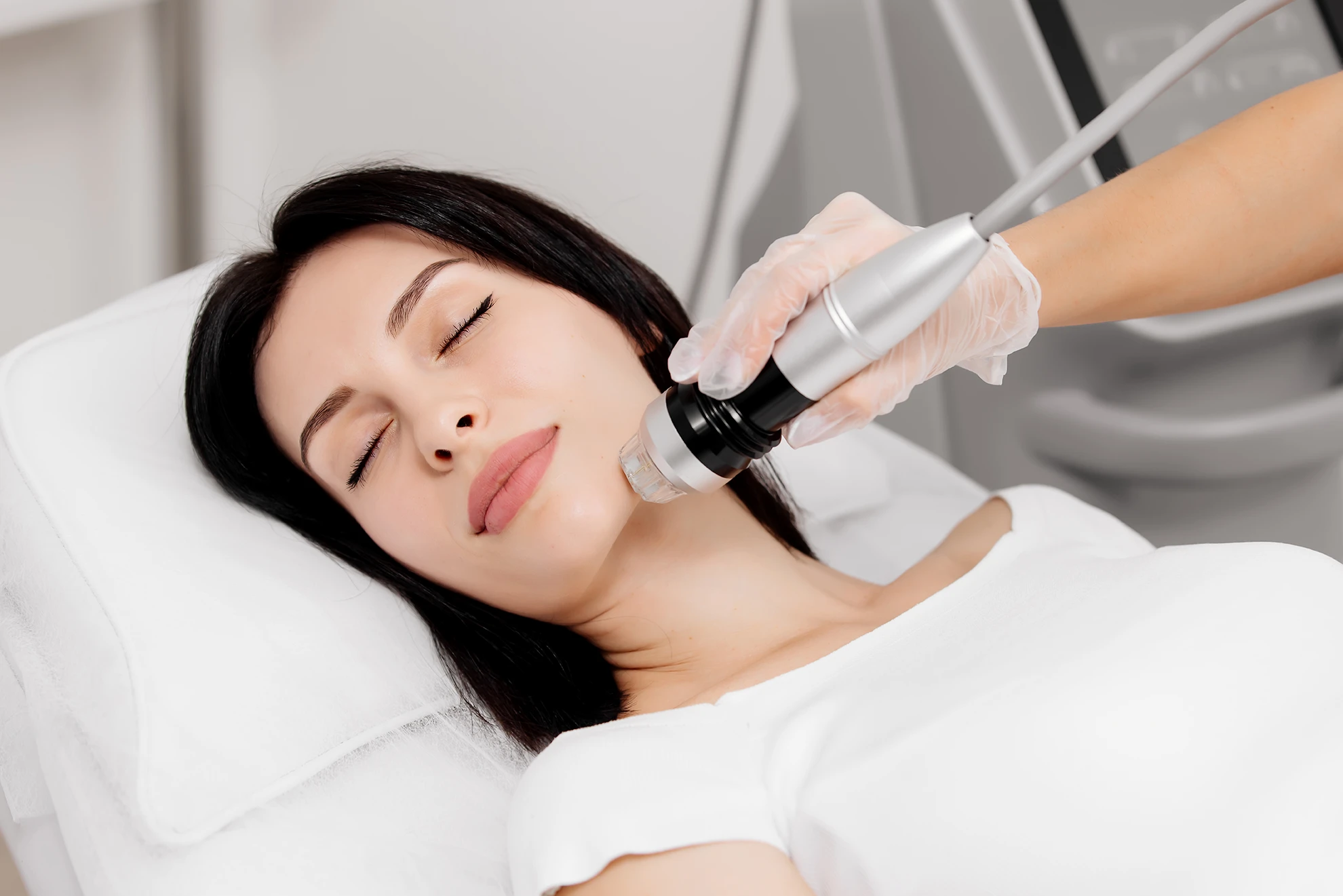
Microneedling, sometimes called collagen induction therapy, is a dermatologic treatment that uses very fine needles to create microscopic channels in the skin. These tiny micro-injuries stimulate the body’s natural healing response, encouraging the production of new collagen and elastin, the two structural proteins that keep skin firm and youthful.
Collagen production naturally declines as we age—approximately 1% per year after the age of 20—which contributes to wrinkles, skin laxity, and slower healing. Microneedling essentially “tricks” the skin into thinking it has been injured, activating repair pathways that rebuild stronger, healthier tissue.
Research supported by the Gerontological Society of America emphasizes the role of collagen loss and cellular aging in skin structure decline.
While traditional microneedling has been used for years to treat conditions such as acne scars, enlarged pores, and fine lines, recent advances have dramatically expanded its potential. Physicians now combine microneedling with regenerative biologics such as exosomes, stem-cell–derived growth factors, and peptides.
Exosomes are microscopic vesicles released by stem cells that contain powerful biological signals, including proteins, lipids, and RNA molecules. These signals help regulate cellular communication and tissue repair. When applied during microneedling, exosomes can penetrate deeper into the skin through the microchannels created by the needles.
This combination enhances several important processes:
• collagen synthesis
• tissue regeneration
• inflammation reduction
• faster healing
As a result, patients often experience improvements in skin texture, tone, elasticity, and overall skin quality.
Microneedling combined with regenerative therapies has become a cornerstone of modern regenerative aesthetics, a rapidly growing field focused on restoring youthful skin through biological regeneration rather than simply masking signs of aging.
Combination Treatments Using Microneedling, Exosomes, and Regenerative Therapies
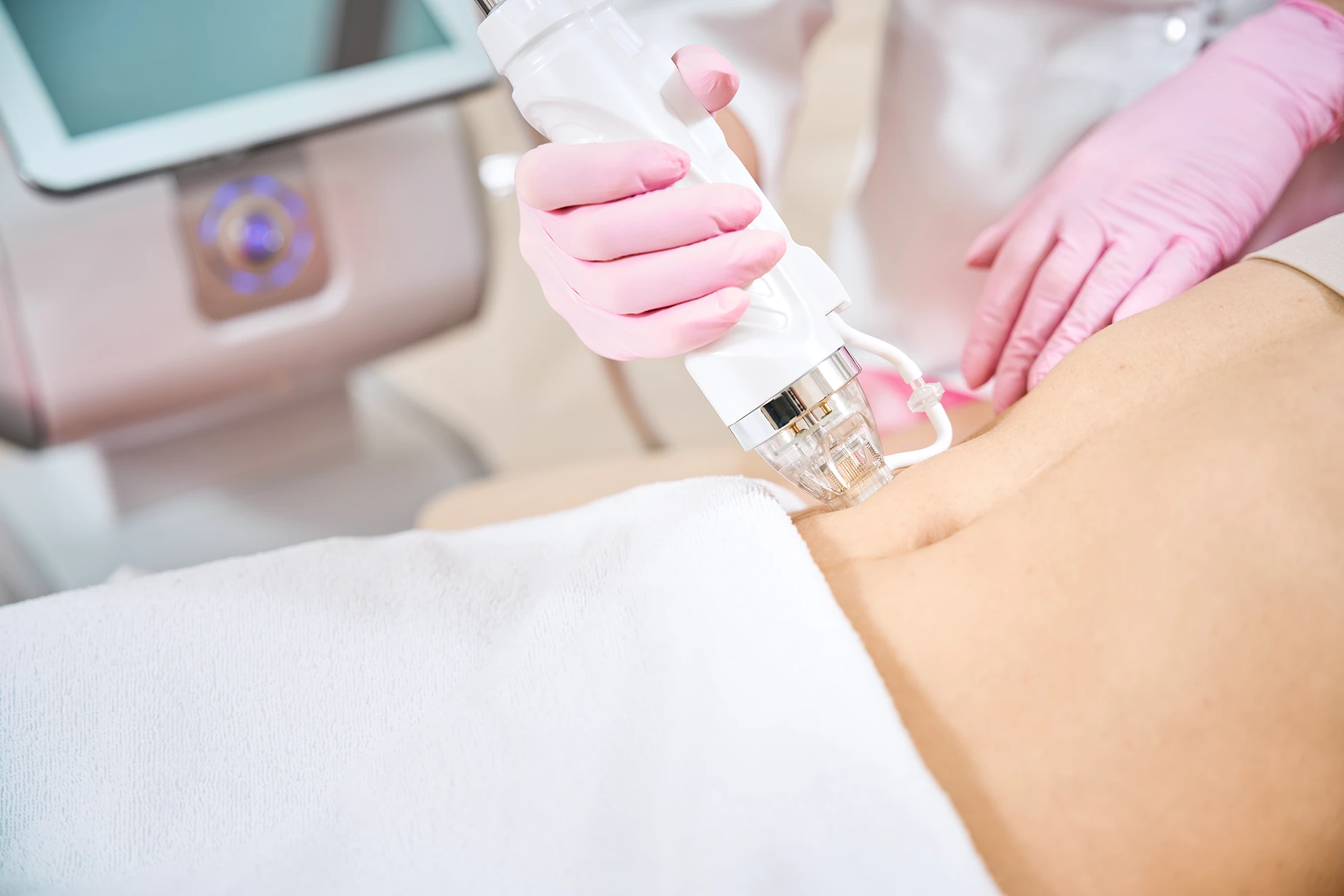
The most exciting advances in microneedling involve combination therapies that address multiple aspects of skin health simultaneously. Dermatologists now integrate microneedling with other technologies to enhance results.
Clinical recommendations from the European Society for Cosmetic and Aesthetic Dermatology support combination approaches to improve skin rejuvenation, collagen stimulation, and long-term results.
Microneedling with Exosomes
This combination is widely used for:
• acne scars
• fine lines and wrinkles
• skin rejuvenation
• uneven skin tone
• pigmentation disorders
Exosomes help accelerate healing and stimulate cellular repair pathways, often leading to smoother skin and improved texture.
Microneedling with Platelet-Rich Plasma (PRP)
PRP contains growth factors derived from the patient’s own blood. When combined with microneedling, it can enhance tissue repair and collagen production.
Scientific findings published by the International Society on Thrombosis and Haemostasis support the regenerative potential of platelet-derived growth factors in tissue repair.
Microneedling with Peptide Therapy
Peptides act as biological messengers that signal skin cells to produce more collagen and elastin.
These treatments are especially useful for:
• aging skin
• skin barrier repair
• skin tightening
Microneedling with Chemical Peels
Chemical peels remove damaged surface layers of skin while microneedling stimulates deeper regeneration.
This combination is often used for:
• acne scars
• hyperpigmentation
• uneven skin tone
Microneedling with Energy-Based Devices
New technologies such as radiofrequency microneedling and advanced energy-based systems like XERF can deliver heat energy into deeper skin layers while stimulating collagen production.
These treatments can improve:
• skin laxity
• wrinkles
• acne scars
• enlarged pores
The synergy of these combination therapies allows dermatologists to target both surface and structural skin issues simultaneously, producing more comprehensive results.
Applications for Hair Loss and Skin Conditions
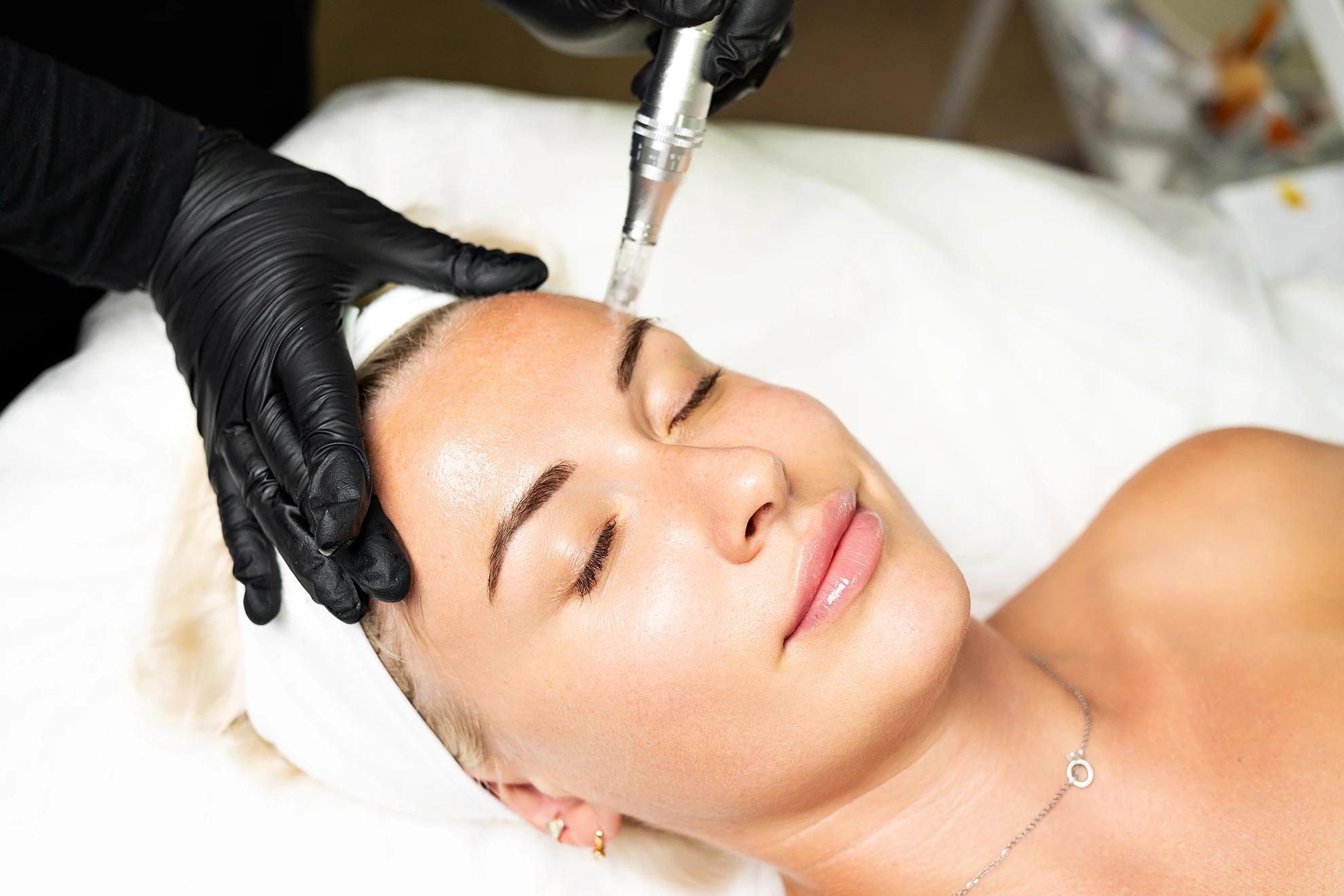
Microneedling with exosomes is also being used to treat hair loss conditions, including androgenetic alopecia (pattern hair loss).
Hair follicles contain stem cells that regulate hair growth cycles. In some individuals, these cells become less active due to hormonal changes, inflammation, or aging.
The European Hair Research Society highlights the role of follicular stem cells and regenerative therapies in improving hair growth and density.
Microneedling can stimulate the scalp and increase blood flow to hair follicles. When combined with exosomes or growth factors, this treatment may help activate dormant follicles.
Potential benefits include:
• thicker hair growth
• improved hair density
• healthier scalp environment
Dermatologists may combine microneedling with other therapies such as:
• PRP hair restoration
• low-level laser therapy
• peptide scalp treatments
Microneedling is also widely used to treat numerous skin conditions, including:
• acne scars
• stretch marks
• melasma
• sun damage
• enlarged pores
Because microneedling causes minimal surface damage, it is often safe for a wide range of skin tones, including darker skin types that may be more prone to hyperpigmentation with aggressive laser treatments.
Skin Tone, Hormones, and the Biology of Skin Regeneration
Skin biology varies significantly among individuals, particularly across different skin tones and hormonal environments.
For example, people with darker skin tones may be more prone to post-inflammatory hyperpigmentation, which occurs when inflammation stimulates excess melanin production.
Microneedling is often preferred for these patients because it stimulates collagen production without causing excessive heat or surface injury.
Hormones also play a critical role in skin health. During menopause, estrogen levels decline dramatically, leading to reduced collagen production and thinner skin.
Clinical insights from the European Menopause and Andropause Society confirm that declining estrogen levels affect collagen production, hydration, and skin thickness.
Studies suggest that women may lose up to 30% of their skin collagen within the first five years of menopause.
Hormone replacement therapy (HRT) can sometimes support healthier skin by improving collagen synthesis and hydration.
When combined with regenerative treatments such as microneedling and exosomes, these therapies can improve:
• skin elasticity
• hydration
• overall skin quality
Some physicians also incorporate collagen stimulators like Sculptra, which encourage the body to produce new collagen gradually.
Additionally, technologies such as Emsculpt Neo can improve muscle tone and metabolic health, contributing to a more youthful overall appearance.
These approaches reflect a broader shift toward integrative aesthetic medicine, where treatments support not only appearance but also overall health and longevity.
Confidence, Longevity, and the Future of Regenerative Aesthetics
Skin conditions such as acne scarring, hair loss, and premature aging can have a profound psychological impact. Research by the World Federation for Mental Health shows that individuals affected by these conditions often experience reduced self-confidence and social anxiety.
For many patients, improving their skin is not simply about cosmetic enhancement; it is about reclaiming confidence and feeling comfortable in their own skin.
The field of regenerative aesthetics is evolving rapidly as new technologies emerge. Scientists are exploring therapies that harness the power of stem cells, exosomes, peptides, and advanced energy-based devices to improve skin health at the cellular level.
Future treatments may focus even more on preventative and longevity-based approaches, helping individuals maintain healthier skin for longer periods of time.
Experts predict that regenerative aesthetics will become a central component of longevity medicine, a growing field dedicated to extending healthy lifespan and optimizing human performance.
The goal is not merely to reverse signs of aging but to support cellular regeneration, resilience, and long-term skin vitality.
Key Takeaway
Microneedling combined with exosomes and regenerative therapies represents one of the most promising advances in modern aesthetic medicine.
By stimulating collagen production and activating natural healing pathways, these treatments can improve a wide range of conditions—from acne scars and pigmentation to hair loss and skin aging.
When used as part of a personalized treatment plan that includes skincare, hormone balance, and healthy lifestyle choices, regenerative aesthetics can help patients achieve not only healthier skin but also greater confidence, vitality, and overall wellbeing.
RenewMD Wellness specializes in regenerative aesthetics, microneedling with exosomes and combination treatment regimens that optimize your biology.
Frequently Asked Questions About Microneedling and Exosomes
What is microneedling with exosomes?
Microneedling with exosomes is a regenerative aesthetic treatment that combines collagen-stimulating microneedling with stem-cell derived signaling particles called exosomes. These molecules help stimulate cellular repair, collagen production, and tissue regeneration.
What skin conditions can microneedling with exosomes treat?
Microneedling with exosomes is used to treat acne scars, wrinkles, pigmentation, enlarged pores, hair loss, sun damage, and uneven skin texture.
Is microneedling with exosomes better than microneedling alone?
Studies suggest that adding regenerative biologics such as exosomes may enhance healing, reduce inflammation, and stimulate stronger collagen production compared with microneedling alone.
Can microneedling with exosomes help hair loss?
Microneedling with exosomes may stimulate hair follicle activity and improve scalp health. It is often used alongside treatments such as PRP therapy or peptide scalp treatments for hair restoration.
Is microneedling safe for darker skin tones?
Microneedling is generally considered safe for a wide range of skin tones because it stimulates collagen production without significant heat damage to the skin.
What is microneedling with exosomes and how does it work?
Microneedling with exosomes combines collagen-stimulating micro-injuries with regenerative signaling molecules derived from stem cells. These exosomes enhance cellular communication, accelerate healing, and improve collagen production, resulting in smoother, healthier skin.
Is microneedling with exosomes better than traditional microneedling?
Yes, adding exosomes may significantly enhance results by improving healing speed, reducing inflammation, and stimulating stronger collagen production compared to microneedling alone.
What skin concerns can microneedling with exosomes treat?
This treatment is used for acne scars, fine lines, wrinkles, pigmentation, enlarged pores, skin laxity, and overall skin rejuvenation.
How many sessions of microneedling with exosomes are needed?
Most patients require 3–6 sessions spaced several weeks apart for optimal results, although improvements can often be seen after the first treatment.
How long does it take to see results from microneedling with exosomes?
Initial improvements may be visible within 1–2 weeks, with continued collagen production and skin improvement over 3–6 months.
Is microneedling with exosomes safe for all skin tones?
Yes, microneedling is generally safe for most skin tones because it does not rely on heat, reducing the risk of hyperpigmentation compared to some laser treatments.
Can microneedling with exosomes help with hair loss?
Yes, when applied to the scalp, microneedling with exosomes may stimulate hair follicles, improve blood flow, and support hair regrowth, especially when combined with other therapies like PRP or peptides.
Do exosomes actually regenerate skin?
Exosomes do not replace cells but send powerful signals that instruct skin cells to repair, regenerate, and produce collagen more efficiently.
What is the difference between exosomes and stem cells?
Stem cells are the “builders,” while exosomes are the “messengers” that deliver signals to repair and regenerate tissue without introducing live cells.
Is there downtime after microneedling with exosomes?
Downtime is typically minimal, with mild redness and sensitivity lasting 24–72 hours depending on treatment depth.
How does microneedling improve collagen production?
Microneedling creates controlled micro-injuries that activate the body’s natural healing response, triggering fibroblasts to produce new collagen and elastin.
Can microneedling with exosomes replace lasers or surgery?
While it may not fully replace surgical procedures, it can significantly improve skin quality, texture, and firmness, making it a powerful non-surgical alternative.
What are the benefits of combining microneedling with peptides or PRP?
Combining treatments enhances results by improving cellular signaling, accelerating healing, and increasing collagen production.
Who is a good candidate for microneedling with exosomes?
Ideal candidates include individuals with acne scars, aging skin, pigmentation issues, or early skin laxity who want non-surgical rejuvenation.
What is the future of regenerative skin treatments?
The future lies in personalized, combination therapies using exosomes, peptides, stem-cell signaling, and advanced technologies to optimize skin health and longevity.
Research References
- American Academy of Dermatology – Microneedling and Skin Rejuvenation
- Journal of Cosmetic Dermatology – Microneedling and Regenerative Skin Therapies
- Dermatologic Surgery – Combination Treatments for Acne Scarring
- International Journal of Molecular Sciences – Exosomes in Skin Regeneration
- Stem Cell Research & Therapy – Exosomes and Tissue Repair
- Dermato-Endocrinology – Hormones and Skin Aging
Disclaimer: This content is for educational purposes only and does not constitute medical advice. Consult with a licensed professional before starting any new skin treatment.