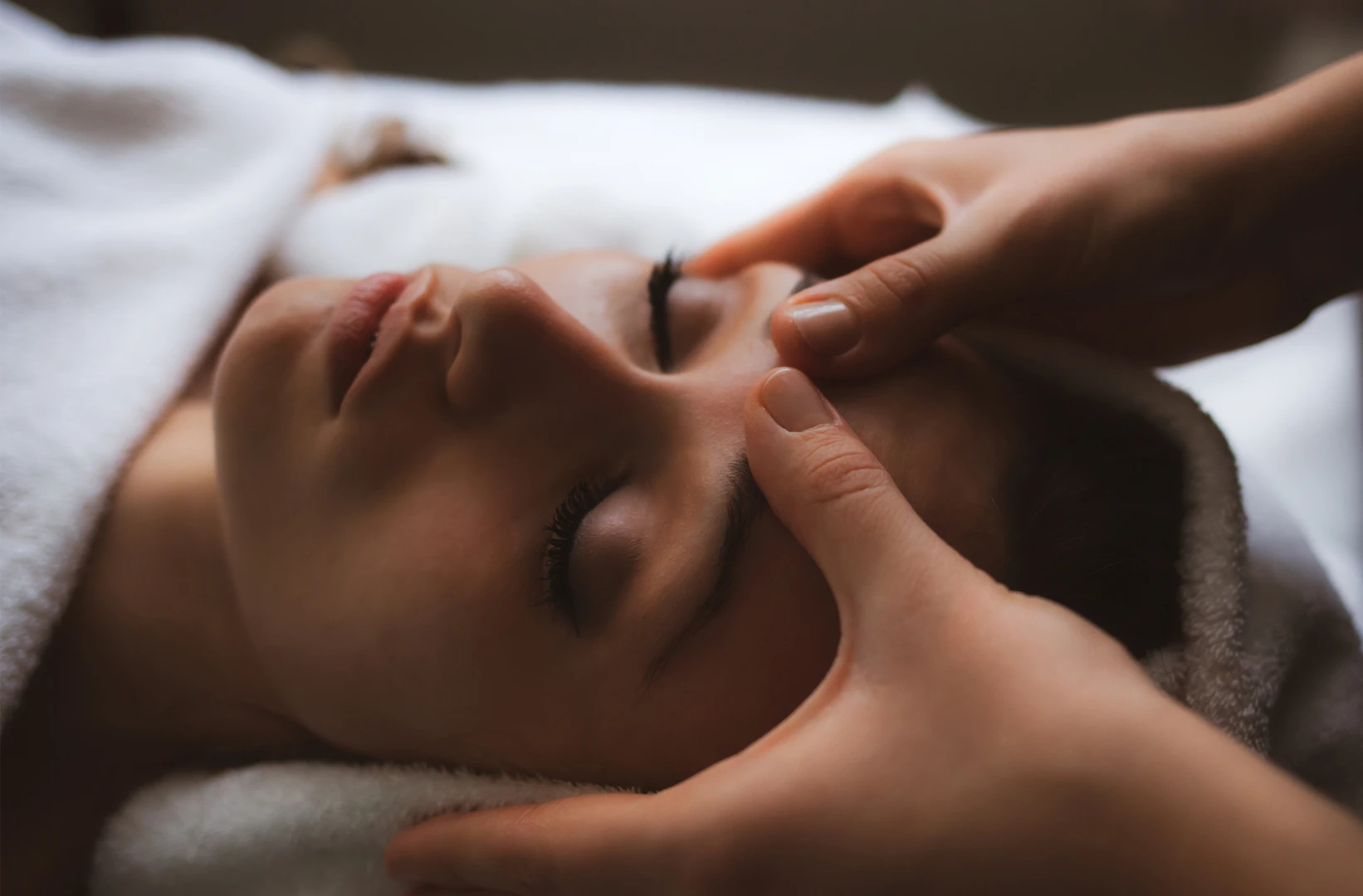
Will a Stem Cell Non-Surgical Facial Treatment Still Work in Your 50s? (2026 Regenerative Skin Rejuvenation Guide)
Medically Reviewed by: Dr. Simran Sethi – Regenerative Medicine & Dermatology Specialist
Last Updated: June 23, 2026
For many people entering their 50s, the mirror can suddenly feel less forgiving. Skin may appear thinner, less firm, and more uneven than it did just a decade earlier. The natural question becomes: is it too late to reverse these changes without surgery?
The encouraging answer from modern regenerative dermatology is no.
Stem cell–inspired non-surgical face lift treatments can still work effectively in your 50s. According to the World Health Organization, aging is driven by cumulative cellular damage, inflammation, and reduced regenerative capacity across tissues, including the skin.
Today’s advanced non-surgical facial rejuvenation treatments—particularly those involving stem cell signaling, exosomes, peptides, and collagen-stimulating technologies can still produce meaningful improvements even in your 50s.
To understand why, it helps to know what causes visible aging. Skin aging is not simply about wrinkles. Instead, several biological processes happen at once:
• collagen breakdown
• slower cellular repair
• chronic inflammation (called inflammaging)
• loss of skin thickness
• reduced hydration
• changes in facial fat and muscle support
By the time someone reaches their 50s, collagen levels may be 40–50% lower than in early adulthood. For women, the decline can accelerate during menopause. Research shows women may lose up to 30% of skin collagen within five years of menopause.
Clinical research supported by the International Menopause Society highlights the strong relationship between estrogen decline and rapid reductions in skin collagen, thickness, and hydration.
This rapid collagen loss explains why skin can suddenly appear loose or thinner during this stage of life. Young skin renews itself approximately every 28 days, but this process slows to 45–60 days by the 40s and 50s. Reduced cellular turnover contributes to dull skin tone, rough texture, and uneven pigmentation.
Stem-cell-inspired regenerative treatments work differently than traditional cosmetic procedures. Instead of simply tightening the skin or filling wrinkles, these treatments activate the body’s natural repair pathways.
For example:
• exosomes act as cellular messengers that help signal tissue repair
• peptides support collagen production and reduce inflammation
• microneedling stimulates natural wound-healing responses
• radiofrequency skin tightening (such as XERF) remodels collagen deep within the skin
When these therapies are combined, they create what many dermatologists now call a regenerative non-surgical face lift.
Rather than forcing the skin to look tighter, these treatments encourage the skin to become biologically stronger and healthier.
Key Takeaway
Even in your 50s, regenerative aesthetic treatments can stimulate collagen production and improve skin structure, helping the face appear naturally refreshed rather than artificially altered.
Modern Combination Treatments for Non-Surgical Face Lifting

The most effective non-surgical facial rejuvenation programs today rarely rely on a single treatment. Instead, dermatologists design combination protocols that address multiple layers of the skin and underlying tissues.
Clinical findings published in Clinical, Cosmetic and Investigational Dermatology support combination approaches for improving skin texture, elasticity, and long-term outcomes.
This approach reflects an important truth about aging: no single treatment can address every biological change occurring in skin.
Modern regenerative treatment plans often combine several therapies. Research from the European Society for Dermatological Research emphasizes the importance of cellular signaling, tissue repair, and inflammation control in improving skin quality.
Microneedling with Exosomes
Microneedling creates tiny controlled micro-channels in the skin, triggering the body’s healing response. When paired with exosomes or stem-cell-derived growth factors, these treatments can significantly enhance:
• collagen regeneration
• skin texture
• hydration
• cellular repair
Clinical studies have shown microneedling can increase collagen production by up to 400% over several months.
Emerging evidence from Cells (MDPI Journal) shows that exosomes play a key role in reducing inflammation and enhancing tissue regeneration.
Radiofrequency Skin Tightening
Technologies such as XERF radiofrequency deliver controlled energy into deeper layers of the skin. This stimulates collagen remodeling and gradual tightening.
Patients often see improvements in:
• jawline definition
• neck firmness
• cheek lift
Collagen Stimulators
Injectable treatments such as Sculptra stimulate natural collagen production over time. Rather than creating instant volume, they gradually rebuild the skin’s structural support system.
Peptide and Skin Barrier Repair
Peptide-based treatments help regulate cellular signaling and reduce inflammation. Stronger skin barrier function improves hydration and resilience.
Muscle and Structural Support
Technologies such as Emsculpt NEO strengthen underlying muscles, improving body composition and posture. Better muscle support can subtly enhance facial and body contours.
When these treatments are layered together, they work synergistically, supporting skin health from multiple biological angles.
Key Takeaway
Combination regenerative treatments are often far more powerful than single procedures because they address collagen loss, skin tightening, and cellular repair simultaneously.
Why Some Patients Choose Non-Surgical Treatments Instead of Surgery
Traditional surgical facelifts remain an option for some individuals. However, many people in their 50s now prefer non-surgical regenerative treatments.
The American Board of Cosmetic Surgery highlights the growing demand for minimally invasive procedures that deliver gradual, natural-looking improvements.
There are several reasons why.
Natural-Looking Results
Surgical facelifts physically reposition skin and underlying tissues. While effective, the results can sometimes appear overly tight or unnatural.
Regenerative treatments work by improving skin biology, allowing the face to look refreshed rather than surgically altered.
Lower Risk and Recovery Time
Surgical procedures involve anesthesia, recovery time, and potential complications. Non-surgical treatments typically allow patients to resume normal activities quickly. Many procedures require little to no downtime.
Gradual Improvement
Instead of dramatic overnight changes, regenerative treatments often produce gradual improvements over several months as collagen rebuilds.
This can create a more natural transition in appearance.
Psychological Benefits
Skin health strongly influences self-perception.
Studies show that over 70% of adults report dissatisfaction with their skin appearance by their mid-30s, and visible skin aging can impact confidence in social and professional environments.
Patients often describe feeling more energetic and confident after improving their skin health—even when changes are subtle.
Key Takeaway
Non-surgical face lift treatments offer a less invasive option that focuses on restoring healthy skin structure rather than simply tightening the skin.
How Treatments Differ for Skin Tones and Skin Conditions

An important consideration in facial rejuvenation is skin tone diversity.
Different skin tones age differently and respond differently to treatments. Darker skin tones contain more melanin, which helps delay wrinkle formation but increases risk of hyperpigmentation disorders.
Conditions such as melasma and post-inflammatory hyperpigmentation occur 3–4 times more frequently in medium to darker skin tones.
Guidance from the Global Dermatology Coalition emphasizes the importance of individualized treatment plans to ensure safety across diverse skin types.
Lighter Skin Tones
Lighter skin often develops wrinkles earlier due to lower melanin protection from UV exposure.
These skin types may respond well to:
• resurfacing treatments
• microneedling
• radiofrequency tightening
Medium and Darker Skin Tones
Darker skin tones typically wrinkle later but are more prone to hyperpigmentation conditions such as melasma and post-inflammatory pigmentation.
Aggressive resurfacing treatments can sometimes increase pigment risk. For these patients, dermatologists often favor treatments that stimulate regeneration without damaging pigment cells.
Examples include:
• microneedling
• radiofrequency skin tightening
• regenerative exosome therapies
• gentle chemical peels
Hormonal and Skin Health Factors
Hormonal health also influences skin biology.
Estrogen plays an important role in maintaining:
• skin thickness
• collagen production
• hydration
Hormone replacement therapy, when medically appropriate, may support overall skin health in menopausal women.
Lifestyle factors also matter. Skin reflects broader biological health including:
• nutrition
• inflammation levels
• muscle strength
• metabolic health
This is why many longevity clinics now combine aesthetic treatments with whole-body wellness strategies.
Final Insight
The future of facial rejuvenation lies in personalized regenerative medicine, where treatments are tailored to skin tone, biological age, hormonal health, and overall wellness.
Research from Stanford Center on Longevity highlights the connection between systemic health and aging outcomes, including skin quality.
Even in your 50s, modern non-surgical regenerative therapies can support healthier skin, improved facial structure, and renewed confidence.
RenewMD Wellness are leaders in Regenerative Medicine, Regenerative Aesthetics and optimizing your skin biology.
Frequently Asked Questions about Stem Cell and Non-Surgical Facial Treatments after 50
Can stem cell facial treatments still work in your 50s?
Yes. Stem cell–inspired regenerative aesthetic treatments work by stimulating the skin’s natural repair processes. Even in your 50s, therapies such as microneedling with exosomes, collagen stimulators, and radiofrequency skin tightening can help rebuild collagen and improve skin firmness.
What is a non-surgical face lift?
A non-surgical face lift is a combination of aesthetic treatments designed to improve skin firmness, collagen production, and facial structure without surgery. Common treatments include microneedling, collagen stimulators, radiofrequency skin tightening, exosomes, and regenerative therapies.
Are non-surgical face lifts safe for different skin tones?
Yes, but treatments should be customized for skin tone. Darker skin tones may require approaches with lower pigmentation risk, such as microneedling, radiofrequency tightening, and regenerative therapies rather than aggressive laser resurfacing.
How long do non-surgical face lift results last?
Results vary depending on treatment type and skin biology. Many regenerative treatments stimulate collagen remodeling that can last 12–24 months, particularly when combined with maintenance treatments and proper skincare.
Is a non-surgical face lift better than surgery?
Non-surgical treatments may be ideal for individuals with early to moderate skin aging who prefer gradual improvements with minimal downtime. Surgical facelifts may still be appropriate for advanced skin laxity, but regenerative treatments focus on improving the skin’s biological health.
Are you too old for stem cell facial treatments in your 50s?
No. While collagen production naturally declines with age, regenerative aesthetic treatments are specifically designed to support aging skin. Many patients in their 50s, 60s, and beyond see improvements in skin firmness, texture, hydration, and elasticity through treatments that stimulate the body's natural repair mechanisms.
What are exosomes and how do they help aging skin?
Exosomes are tiny cellular messengers that contain proteins, growth factors, and signaling molecules involved in tissue repair. In regenerative aesthetics, exosomes may help reduce inflammation, support collagen production, improve skin hydration, and enhance healing when combined with treatments such as microneedling.
Can a non-surgical face lift improve menopausal skin?
Yes. Menopause can accelerate collagen loss, skin thinning, dryness, and loss of elasticity due to declining estrogen levels. Treatments such as microneedling, radiofrequency skin tightening, collagen stimulators, peptides, and regenerative therapies may help support collagen production and improve skin quality during and after menopause.
How long does it take to see results from regenerative facial treatments?
Results vary depending on the treatment combination used. Some patients notice improvements in skin texture and hydration within a few weeks, while collagen-stimulating treatments often continue improving the skin over several months as natural remodeling and repair processes occur.
What is the best non-surgical facial treatment for people over 50?
The most effective treatment is usually a personalized combination approach. Many providers combine microneedling, exosome therapies, radiofrequency skin tightening, collagen stimulators, and medical-grade skincare to address multiple aspects of aging simultaneously, including collagen loss, skin laxity, and uneven texture.
Can regenerative facial treatments help crepey skin?
Yes. Crepey skin is often associated with collagen depletion, reduced elasticity, and thinning skin. Treatments that stimulate collagen production and support skin repair may improve skin thickness, firmness, and texture over time, helping reduce the appearance of crepey skin.
Do stem cell-inspired facial treatments replace dermal fillers?
Not necessarily. Regenerative treatments and dermal fillers serve different purposes. Fillers provide immediate volume replacement, while regenerative treatments focus on improving skin quality, collagen production, and tissue health. Many patients choose a combination approach depending on their goals.
Can regenerative facial treatments help improve jawline definition?
Yes. Treatments such as radiofrequency skin tightening, collagen stimulators, and microneedling may help improve skin firmness and support the tissues around the jawline. While results are generally more subtle than surgery, many patients experience improved facial contour and definition over time.
What is the best facial rejuvenation treatment after age 50?
There is no single best treatment for everyone after age 50. The most successful facial rejuvenation plans are typically personalized and may combine collagen stimulation, radiofrequency skin tightening, microneedling, regenerative therapies, skincare optimization, and lifestyle support. The goal is to improve skin biology, restore collagen, and support healthy aging rather than simply masking visible signs of aging.
Research References
- Fisher GJ et al. Mechanisms of Photoaging and Chronological Skin Aging Archives of Dermatology
- Quan T et al. Matrix-Degrading Metalloproteinases in Photoaging Journal of Investigative Dermatology
- Gentile P et al. Exosomes in Regenerative Dermatology Stem Cells International
- Brincat MP Hormone Replacement Therapy and Skin Aging Climacteric Journal
- Shuster S et al. The Influence of Age and Sex on Skin Thickness British Journal of Dermatology
Disclaimer: This content is for educational purposes only and does not constitute medical advice. Consult with a licensed professional before starting any new skin treatment.